TORONTO — Monday, December 1, 2025
Canada’s stock market heads into the first trading day of December with momentum, but also a fair amount of macro uncertainty. A stronger‑than‑expected Q3 GDP print, a recent Bank of Canada rate cut, and a fresh OPEC+ decision that pushed oil prices 2% higher are all converging just as the S&P/TSX Composite hovers near record territory. Reuters+3Reuters+3Bank of Canada+3
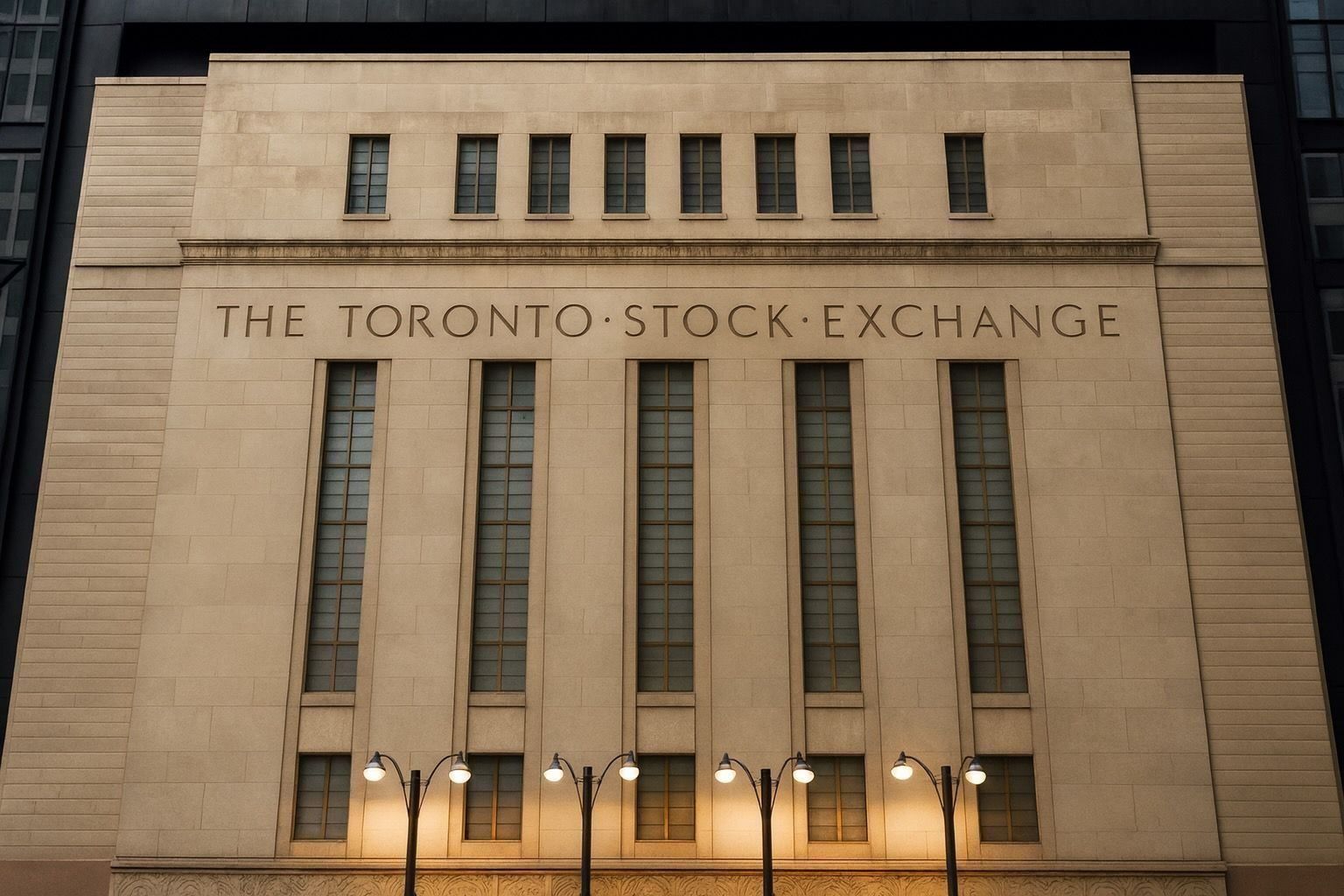
Here’s what traders and investors should know before the Toronto Stock Exchange opens this morning.
1. TSX Starts December Close to Record Highs
Canada’s main equity benchmark is entering the session from a position of strength:
- The S&P/TSX Composite most recently notched a record closing high of 30,827.58 on November 12, powered by materials and financials.Reuters
- Futures on the S&P/TSX Composite have been quoted around 31,370, near the top of their 22,490–31,370 one‑year range, underscoring how extended the rally has become.Investing.com
- A Reuters poll of equity strategists last week projected the TSX could gain almost 5% in 2026 to about 32,125, even after a roughly 24% rise in 2025, but warned that a short‑term correction is likely as valuations and earnings momentum stretch.Reuters
In other words, sentiment going into the open is broadly constructive, but the bar for “good news” is getting higher.
2. Q3 GDP Beat Supports the Bulls – But October Signals a Soft Q4 Start
Markets are still digesting Canada’s Q3 GDP data released on Friday:
- Annualized Q3 GDP grew 2.6%, rebounding from a revised 1.8% contraction in Q2 and handily beating economists’ expectations of about 0.5%.Reuters
- The upside surprise was driven largely by a 6.7% jump in crude oil and bitumen exports and a 2.9% rise in government capital investment, including spending on weapons systems and health‑care infrastructure.Reuters
- Under the surface, however, business investment was flat and household consumption fell 0.1%, reflecting the damage from U.S. tariffs and weaker confidence.Reuters
- A preliminary estimate pointed to a 0.3% GDP decline in October, hinting that Q4 is off to a softer start even as the country narrowly dodges a technical recession.Reuters
For equity investors, that mix supports the narrative of a late‑cycle economy: strong enough to avoid a hard landing, but not strong enough to fully shrug off trade and inflation headwinds.
3. Bank of Canada: Rates Cut to 2.25% and Likely on Hold
Monetary policy remains a central pillar of the TSX story.
- On October 29, the Bank of Canada (BoC) cut its overnight rate by 25 basis points to 2.25%, marking a second consecutive reduction this fall.Bank of Canada+1
- The Bank signalled that policy is now “about the right level,” and multiple summaries and explainer pieces from major banks and mortgage specialists highlight the BoC’s bias toward holding at 2.25% into 2026, barring a significant shock.RBC Royal Bank+2WOWA+2
- Governor Tiff Macklem and the October statement have been interpreted by markets as close to the end of the cutting cycle, even as the central bank leaves the door open to respond if the outlook deteriorates further.Reuters
For today’s open, this means:
- Rate‑sensitive sectors such as banks, insurers, utilities and REITs are trading in an environment of lower but stable policy rates.
- The upcoming December 10 BoC decision is unlikely to bring another cut unless incoming data—especially jobs and trade—surprise significantly to the downside.WOWA+1
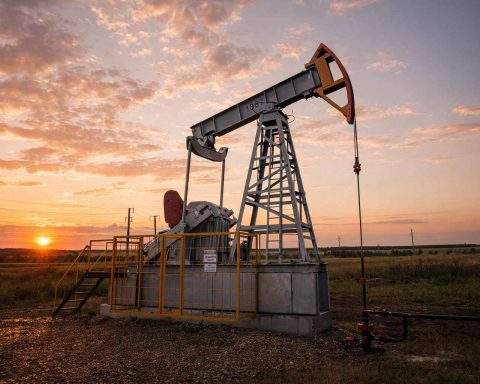
4. Oil Jumps 2% After OPEC+ Holds Output Steady – Tailwind for TSX Energy
Energy will be front and centre at the open.
- OPEC+ confirmed on Sunday that it will keep oil output levels unchanged through the first quarter of 2026, extending its pause in unwinding earlier supply cuts.Reuters
- In early Monday trading, Brent crude rose about 2% to around $63.60 a barrel, while WTI climbed roughly 2% to just under $60, hitting one‑week highs after four straight monthly declines.Reuters+1
- Prices were boosted further by a drone attack on infrastructure used by the Caspian Pipeline Consortium, which handles over 1% of global oil supply, and by concerns over possible U.S. action against Venezuela, another key exporter.Reuters+1
Why it matters for Canada:
- Energy and materials make up roughly one‑third of TSX market capitalization, giving commodities an outsized influence on the index.Reuters
- Higher crude prices generally support Canadian producers’ cash flows and capex, though they also raise costs for transport and industrials.
- Statistics Canada is releasing September 2025 energy statistics and Q3 2025 capital spending in oil and gas this morning at 8:30 a.m. ET—numbers that could move specific energy names as investors gauge whether producers are ramping investment or staying disciplined.Statistics Canada
Expect the energy complex—from integrated majors to mid‑cap producers and oilfield services—to be active at the open.
5. Global Cues: Mixed Asia, Cautious US Futures
Overnight, global markets sent a mixed but generally cautious signal:
- Asian equities were uneven: Japan’s Nikkei slipped nearly 2% on weaker factory data, while Hong Kong’s Hang Seng gained about 0.8% and the Shanghai Composite added roughly 0.4%, according to one overnight wrap.Share Talk
- US equity futures were modestly negative as rising oil prices weighed on the outlook, with online commentary pointing to declines in major US indices’ futures and a small uptick in the VIX.Meyka+1
- Globally, the focus today is on November manufacturing PMIs, including S&P Global’s worldwide and US prints, which will help markets assess how much growth momentum remains heading into 2026.SP Global
For TSX traders, the takeaway is that external risk appetite is restrained, even as Canada’s commodity leverage may again make the index outperform if oil and gold stay firm.
6. Canadian Labour Market and Data: Jobs Report Looms Later This Week
While there are no blockbuster domestic macro releases due today beyond sector‑specific numbers, the rest of the week is packed.
- Statistics Canada’s calendar for December 1–12 includes today’s energy statistics and oil and gas capital spending, followed mid‑week by labour productivity figures and assorted sector releases.Statistics Canada
- The big domestic event is Friday’s November Labour Force Survey, with RBC Economics expecting flat employment after large gains in September and October and an unchanged unemployment rate of 6.9%—roughly one percentage point above what they consider “normal.”RBC
RBC notes that:
- Trade‑exposed sectors like manufacturing and transport have been laggards but showed improvement in October.
- The rise in unemployment earlier in the fall was driven more by longer job searches for new entrants than by broad layoffs, suggesting a soft—not collapsing—labour market.RBC
That jobs print will be the last major data point before the BoC’s December 10 decision, so the TSX may increasingly trade the “data versus central bank” narrative as the week progresses.
7. Big Picture for 2026: Strategists Still See Upside, With Volatility
Beyond today’s open, the medium‑term outlook helps explain why dips in the TSX have been bought:
- A Reuters survey of 20 equity strategists projects the S&P/TSX Composite will rise nearly 5% by end‑2026 to about 32,125, and to nearly 33,925 by mid‑2027, on expectations of improved trade conditions and continued global demand for Canadian resources.Reuters
- However, the same poll flagged elevated valuations, soft consumer spending and trade war uncertainty as reasons to expect a near‑term pullback, even if the longer‑term path remains higher.Reuters+1
With the TSX already up more than 20% this year and trading near all‑time highs, many institutional investors are likely entering December with:
- Selective risk‑taking in energy, materials and quality financials
- A preference for companies with strong balance sheets and pricing power
- A watchful eye on policy headlines from Washington and Ottawa, especially regarding tariffs and fiscal supports
8. Sectors and Themes to Watch at the Open
Given the backdrop, here’s how the main TSX sectors line up heading into today’s session:
Energy
- Positively leveraged to the OPEC+‑driven oil rebound, especially for oil‑sands and conventional producers with exposure to WTI and heavy crude differentials.Reuters+1
- Today’s StatsCan energy and capex data could distinguish between companies that are ramping investment and those returning more cash to shareholders.Statistics Canada
Materials (Gold and Base Metals)
- The TSX hit its November record high partly on the back of a 3.4% jump in the materials group, helped by higher gold prices and robust miner performance.Reuters
- With geopolitical risks and central‑bank uncertainty still in the foreground, gold‑linked names could remain a defensive outperformer if volatility rises.
Financials
- Lower policy rates but a cautious BoC stance create a “carry but careful” setup for banks and insurers.Bank of Canada+1
- Credit quality and exposure to trade‑sensitive industries will remain key differentiators in Q4 and into 2026.
Rate‑Sensitive & Domestic Plays (REITs, Utilities, Consumer)
- Benefit from lower discount rates, but face headwinds from slower household consumption highlighted in the GDP data.Reuters
- Investors may continue rotating into defensive, cash‑generative names rather than pure growth stories.
Exporters and Trade‑Exposed Names
- Still navigating U.S. tariff uncertainty, which has weighed on exports, investment and sentiment.Reuters+1
- A stable‑to‑softer Canadian dollar—if sustained—would offer some cushion, but the trade backdrop remains a key risk.
9. Today’s Key Questions for TSX Traders
Going into the open, markets will be wrestling with a few core questions:
- Can the TSX sustain record‑level valuations with GDP surprising to the upside but forward indicators (like the October advance estimate) signalling a softer Q4?Reuters+1
- Will the OPEC+‑driven oil bounce persist, and how aggressively will Canadian producers respond in terms of capital spending and shareholder returns?Reuters+2Reuters+2
- Does Friday’s jobs report confirm a “soft but stable” labour market, or does it tilt expectations for the BoC’s December 10 decision and 2026 path?RBC+1
- How much more upside is left in a TSX that has already had its best year in over a decade, with strategists still positive but cautious about near‑term corrections?Reuters+1
For now, the setup into the open looks like this: a commodity‑backed index near records, supported by a surprisingly resilient economy and a central bank that has likely finished cutting, but overshadowed by trade tensions, soft consumers and the ever‑present risk of a pullback after a powerful rally.
This article is for informational purposes only and does not constitute investment advice. Always consider your own financial situation and consult a licensed advisor before making investment decisions.