Toronto, Jan 20, 2026, 12:17 EST
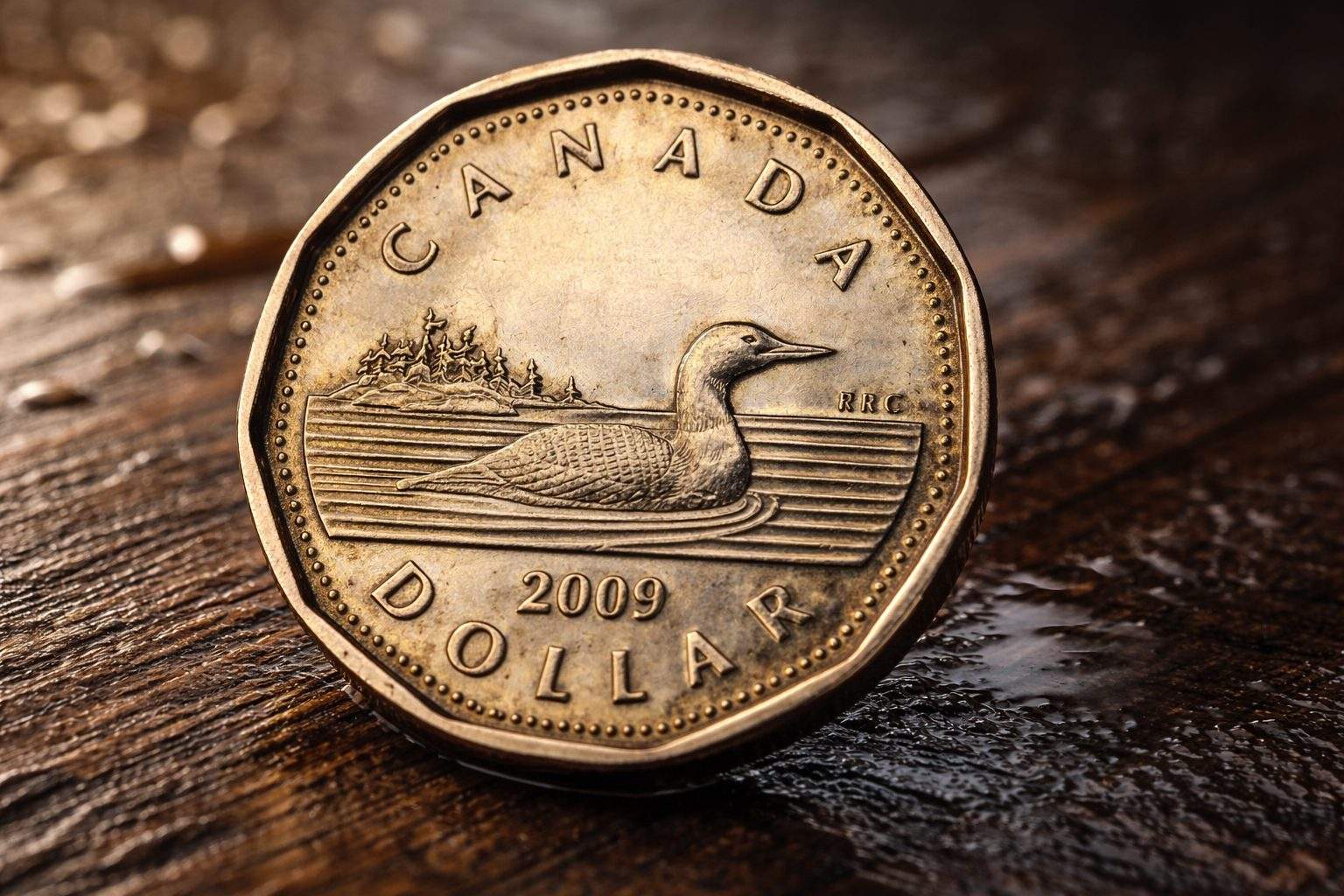
Canada’s dollar hit a six-day peak Monday, gaining 0.4% to trade at C$1.3865 per U.S. dollar. The greenback weakened following President Donald Trump’s fresh tariff threats targeting Europe over Greenland. Oil prices nudged up 0.2% to $59.57 a barrel. Canadian bond yields were mixed: the two-year yield slipped 1.1 basis points to 2.538%. “I think the headline is what matters right now,” said Adam Button, chief currency analyst at investingLive. Reuters
Canada’s December inflation came in at 2.4% year-over-year, edging past the 2.2% forecast, even as prices slipped 0.2% month-over-month. The Bank of Canada’s core inflation gauges cooled for a third month running, with CPI-median easing to 2.5% and CPI-trim down to 2.7%. These measures, designed to smooth out erratic price moves, suggest the central bank can hold steady on rates. “Today’s data are still consistent with underlying inflation being close to 2%,” noted CIBC Capital Markets economist Andrew Grantham. Fitch Ratings’ Jessica Hinds added it’s “highly unlikely to change the calculus” for the BoC. Reuters
Statistics Canada highlighted items like restaurant food and certain children’s products, which benefited from a GST/HST exemption the previous year, as factors behind the faster year-over-year increase. The agency also announced it will revise its CPI-median and CPI-trim revision policy beginning with the January CPI report due Feb. 16. Statistics Canada
Trump’s tariff threats moved front and center. He warned of a 10% tariff starting Feb. 1 on imports from eight European nations, tied to whether the U.S. can purchase Greenland. That rate could jump to 25% by June 1, Reuters reported. Greg Taylor, chief investment officer at Purpose Investments, noted uncertainty among investors about whether Canada might get “dragged into this and get painted with the same brush as Europe.” Reuters
The dollar continued sliding Tuesday, on track for its largest daily fall in more than a month, boosting the euro, sterling, and Swiss franc. Tony Sycamore, market analyst at IG, pointed to “fears of prolonged uncertainty” as investors reignited the “Sell America” trade, where U.S. stocks, bonds, and the dollar drop in unison. Reuters
However, the loonie’s direction might depend as much on politics as on market factors. On Tuesday, the U.S. Supreme Court handed down three rulings but held off on a high-profile case challenging the legality of Trump’s global tariffs. It also gave no timeline for when it will revisit the issue. Reuters
Monex noted that the Canadian dollar saw just a mild lift from the CPI surprise, with bigger factors like oil prices, risk appetite, and U.S. developments still steering USD/CAD. In a morning report featured on Investing.com, Monex pointed out the pair dropped below 1.39 after the inflation figures and kept drifting downward. Investing.com Canada
Robert Roach, economist at ATB Financial, attributed the spike in the headline rate to a base effect from last year’s GST/HST holiday, not new economic pressures. He wrote that December’s inflation data “reinforces our call that the Bank of Canada will hold at its 2.25% policy rate through 2026,” despite grocery prices rising 5% year-over-year. ATB Financial
Traders face a tricky combo: easing core inflation suggests Ottawa should hold steady, while ongoing tariff tensions continue to prop up the U.S. dollar. The Canadian dollar usually acts like a risk asset—until the greenback falters for unrelated reasons—and this week, that dynamic is definitely in play.