
New York, June 17, 2026, 08:05 EDT
- CarMax posted fiscal Q1 revenue of $8.01 billion, topping LSEG forecasts, as higher average used-car prices and solid wholesale demand lifted results.
- Retail used-vehicle gross profit per unit dropped to $2,177, down from $2,407 last year. The company has kept price cuts going to try to boost sales.
- KMX gained over 5% premarket but was last quoted closer to $52.11 just ahead of the open.
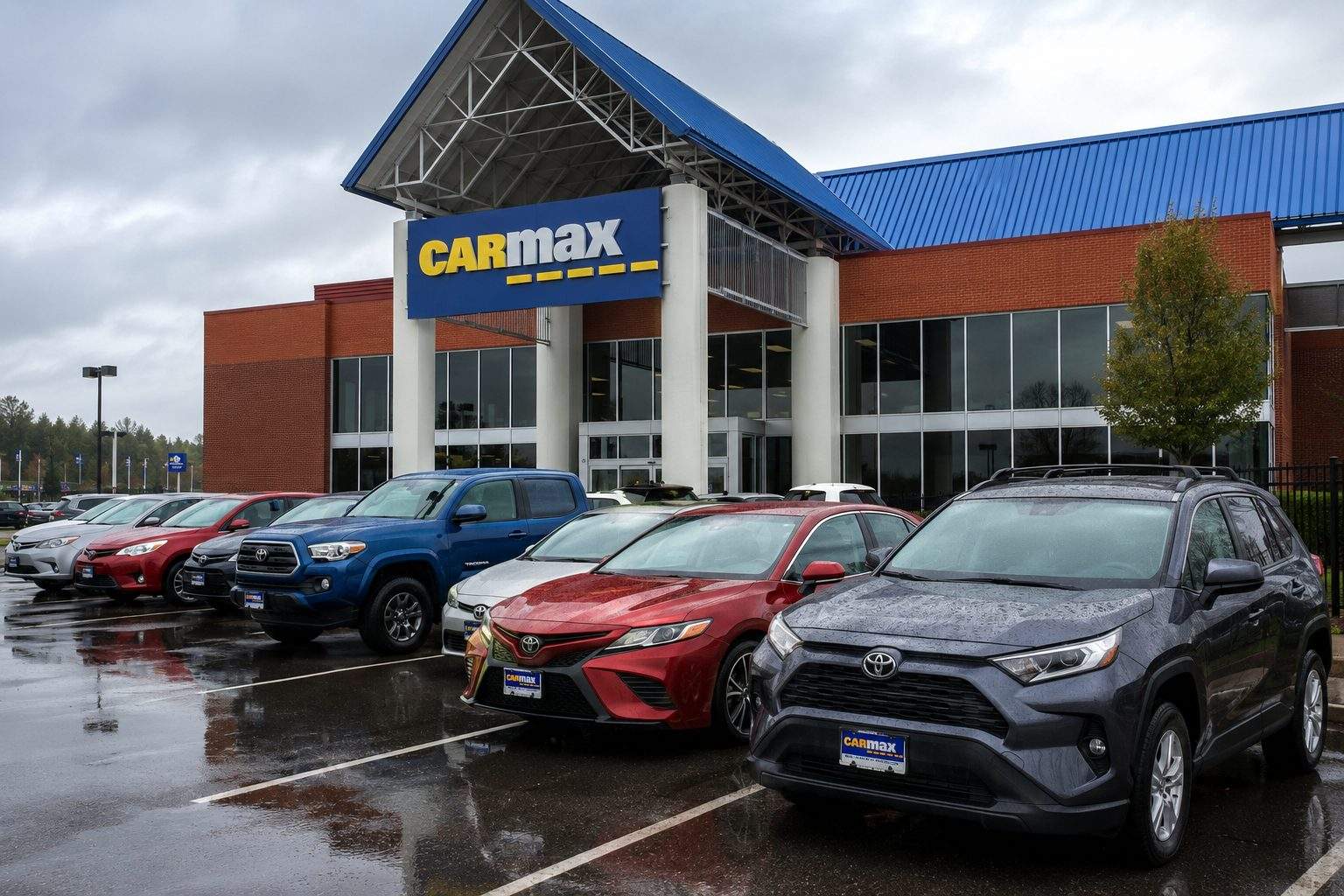
CarMax shares traded higher ahead of the bell Wednesday after the top U.S. used-car seller topped revenue forecasts, pushing new CEO Keith Barr into focus. Retail margins shrank though. Reuters said the stock was up more than 5% in premarket, but later KMX was at $52.11, near Tuesday’s close.
Investors have been watching the timing as CarMax tries to bring back unit growth without losing too much profit per car. Used-car buyers are still pressured by high borrowing costs. CarMax has been lowering prices to drive foot traffic, an effort that boosted sales but dragged down gross profit per vehicle — the money left on each sale before corporate expenses and other costs.
CarMax posted quarterly revenue of $8.01 billion, up 6.2% from a year ago and ahead of the $7.4 billion analyst average from LSEG. Net earnings came in at $185.6 million, or $1.31 per share, down from $210.4 million, or $1.38 per share, last year.
CarMax CEO Barr, in the role since March, outlined a plan focused on tighter pricing, improved digital and in-store experience, higher profit per sale, and cutting costs. Barr said CarMax has a “clear strategy” and “everything it needs to thrive,” and said he’ll share more during a strategy update in the fall. Business Wire
Sales were a mixed bag for the quarter. Total retail and wholesale unit sales climbed 3.3% to 392,357 vehicles, with wholesale units up 8.4%. But comparable-store used-unit sales slipped 0.8%, and retail used gross profit per unit was down $230 from last year’s high, coming in at $2,177.
Average retail prices moved up about $1,200, or 4.5%, to $27,288. Wholesale average prices gained 5.1%. The increase gave a boost to revenue, but shares could be at risk if buyers push back on the higher prices or if lenders pull back.
Cost cuts helped the numbers. Selling, general and administrative expenses dropped 3.7% to $635.2 million. CarMax kept its $200 million in planned exit-rate savings for the end of fiscal 2027. The company didn’t buy back stock this quarter, with $1.31 billion still left on its buyback plan.
Carvana is moving into new-car franchises leaning on Stellantis brands, while Starboard Value has been increasing the pressure on CarMax. The activist investor picked up about $350 million of CarMax shares earlier this year and is urging the company to step up digital sales, cut costs, and sharpen pricing.
CarMax’s earnings beat hasn’t won over analysts. Benzinga’s ratings tracker still shows a neutral consensus. Truist Securities, Barclays, and JPMorgan are the latest to update their views; their average target sits below where shares have been trading.
But the risk is clear. If CarMax keeps lowering prices to hold onto market share, retail margins could take more hits while auto-loan credit costs and affordability for buyers remain an issue. A revenue beat matters. But a real turnaround still depends on growing volume without squeezing the spread.
Related articles: Earnings Reports