
NEW YORK, May 8, 2026, 09:02 EDT
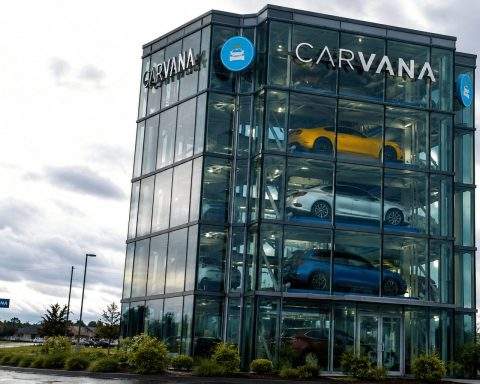
Carvana’s five-for-one stock split became effective Thursday, putting the online used-car dealer’s strong recovery right back in the market’s sights. The Class A shares are set to start trading split-adjusted on the New York Stock Exchange when markets open Friday, according to a securities filing. The forward split increases share count and reduces the price per share, but investors’ stakes remain unchanged.
Timing’s key here: Carvana isn’t just a turnaround story anymore. First-quarter retail unit sales hit 187,393, a 40% jump from last year, as revenue climbed to $6.432 billion—up 52%. Both numbers set new quarterly highs.
The split follows a staggering rebound in Carvana shares. As The Motley Fool pointed out Thursday, the stock soared 10,091% from its closing low of $3.72 on Dec. 27, 2022, climbing to roughly $379 before the split kicked in.
Carvana announced that investors holding Class A or Class B shares at the close on May 6 will get four extra shares for every one they own. No action is needed from shareholders, the company said. According to Carvana, the goal is to make shares more accessible for employees.
Carvana shareholders signed off on the certificate amendment during the company’s May 5 annual meeting. According to the SEC filing, votes favoring the stock split and an increase in authorized shares totaled 832,294,931, while 146,812 voted against and 67,577 abstained across both Class A and Class B shares.
Ernie Garcia, founder and CEO, pointed out that the company posted its “sixth consecutive quarter” with retail-unit growth of at least 40% in Q1. According to Garcia, Carvana’s vertically integrated setup aims to make used-car transactions “easier, faster, more efficient.” investors.carvana.com
Sharon Zackfia at William Blair stuck with her Buy rating on Carvana as of May 5, according to TipRanks. She flagged the company’s trajectory and brand advantages, noting the 5-for-1 stock split hasn’t altered her earnings expectations. Zackfia did, however, mention headwinds tied to declining vehicle values, tougher credit, and the typical ups and downs of big-ticket buying.
Benzinga on Thursday pointed out Carvana’s gains, calling them notable given the day’s sluggish market breadth. The report linked the move to both the stock split and a bump in the authorized share count. Splits, it said, don’t touch the company’s fundamentals but they do shake up trading flows by cutting the price per share and upping the number of available shares.
There’s a clear split between rivals. CarMax saw retail used-vehicle units edge down 0.8% for the quarter ending Feb. 28. Comparable-store used-vehicle units dropped 1.9%, with net sales and operating revenue down 1.0%. Carvana, on the other hand, reported a 40% jump in retail units for the first quarter.
The risks haven’t gone away. In its shareholder letter, Carvana reported total gross profit per unit dropped by $155 to $6,783. Adjusted EBITDA margin slipped to 10.4% from 11.5%. Higher reconditioning expenses and reduced shipping fees weighed on retail gross profit per unit. Adjusted EBITDA strips out interest, taxes, depreciation, amortization, and some other items.
Investors get a cheaper entry per share after the split, but that doesn’t make the execution hurdle any lower. Carvana faces the same challenge: showing it can deliver rapid unit growth, handle credit risk, and protect used-car margins, all at once—without triggering another dramatic drop in the stock.