Today: 30 June 2026

Internet Access in China

Internet Access in China

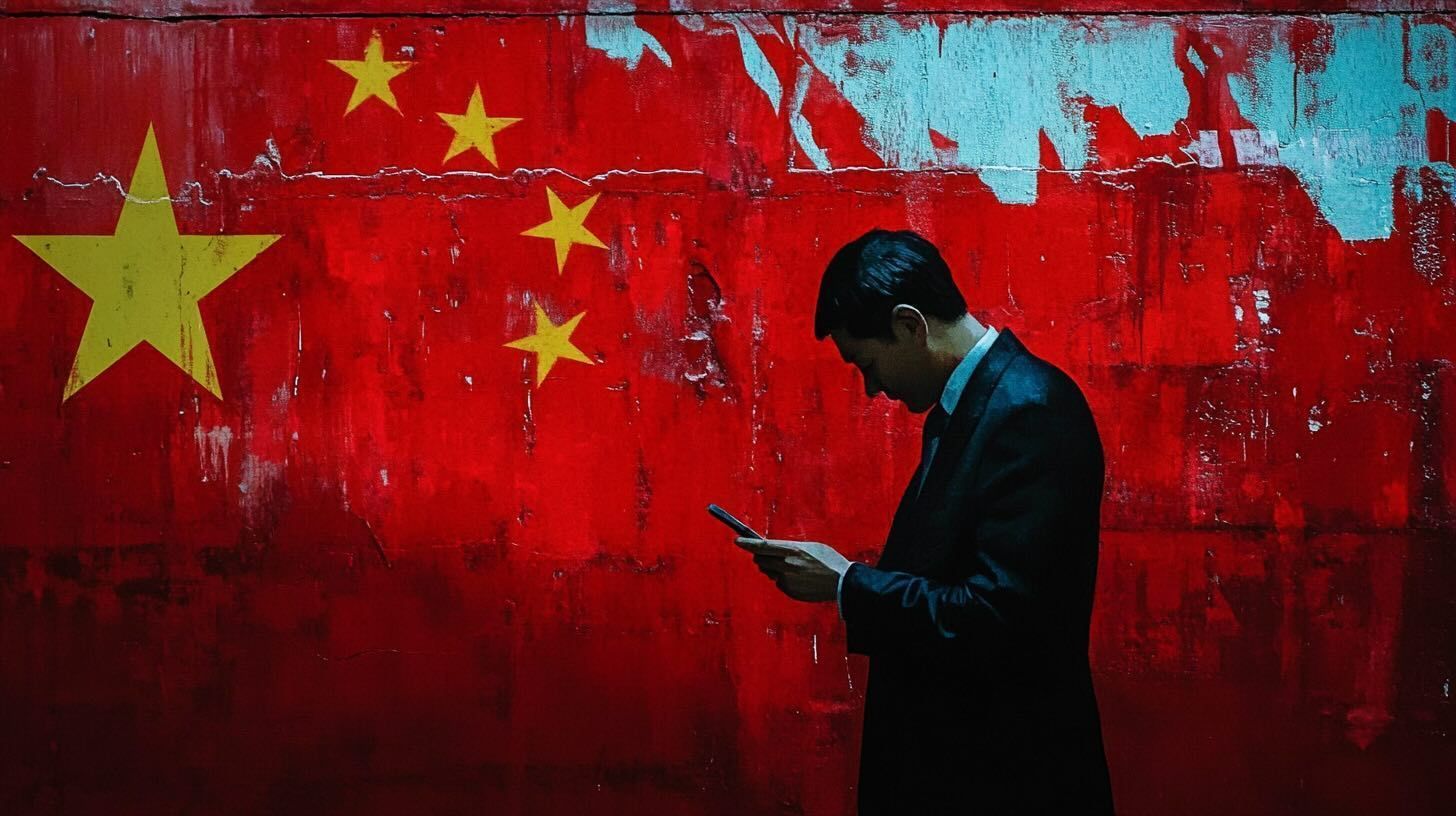
China’s internet landscape is characterized by massive scale, state-controlled infrastructure, and strict governance. With over a billion users online, China hosts the world’s largest internet community, but this access comes with significant restrictions and a parallel digital ecosystem separate from the global internet. Below is an overview of key aspects of internet access in China, from infrastructure and service providers to censorship policies and emerging trends. China has built an extensive internet infrastructure, largely through state-run enterprises. Major Internet Service Providers in China include:

Internet Access in Syria

Internet Access in Syria

Syria was relatively late in opening internet access to the public. An internet connection was established in the country by 1997, but for years Syria was the only connected Middle Eastern country that did not allow general public access Hrw. In the late 1990s, only government institutions and a few individuals could get online Hrw. This cautious rollout reflected official policy: the regime under President Hafez al-Assad took a “go-slow” approach, fearing the free flow of information. All media in Syria were tightly controlled, and officials were wary that the internet could enable dissent Hrw. Even Bashar al-Assad advocated for expanding internet access, but security services resisted due to concerns over “making it safe” for a traditional society Hrw. Public internet access only truly began around 2000, shortly after Bashar al-Assad took power Thenetmonitor. Once the internet was introduced, usage grew steadily, though under heavy state oversight. The first internet service providers were state-affiliated, and the Syrian Telecommunications Establishment became the principal gateway. By July 1998, about 35 Syrian government agencies were online Wikipedia, marking the initial step toward connectivity. In the early 2000s growth was modest – for example, in 2000 there were only about 30,000 users online Wikipedia.
7 February 2025
Google’s Bard ‘Learnt Bengali’ Claim Has a Data Problem, Former Researcher Says

Google’s Bard ‘Learnt Bengali’ Claim Has a Data Problem, Former Researcher Says

UPDATED: SAN FRANCISCO, May 6, 2026, 05:05 Google’s claim that a Bard-era AI system learned Bengali on its own is facing scrutiny because a former company researcher pointed to Google training data showing Bengali was already in the mix. The dispute cuts at a basic question in the AI race: whether companies are describing real technical surprises, or dressing up known training effects as mystery.
Zebra Medical Vision’s AI Reads Medical Images. Now Comes the Hospital Test

Zebra Medical Vision’s AI Reads Medical Images. Now Comes the Hospital Test

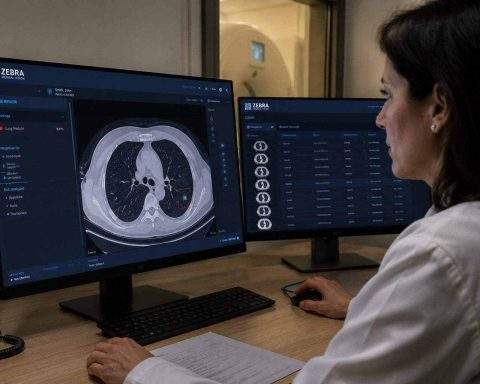
Updated: PETAH TIKVA, Israel, May 6, 2026, 14:59 Nanox is trying to turn Zebra Medical Vision’s scan-reading software into a hospital business, not just an AI demo. The company said it had accelerated work around Nanox.AI, added Cedars-Sinai as a clinical-trial partner for an aortic valve calcification tool and pushed U.S. deployment of Nanox.ARC systems, with Chief Executive Erez Meltzer calling the fourth quarter “strong momentum.”
AI Layoffs in 2023: The Real Number Was 4,247, and the Next Wave Is Harder to Count

AI Layoffs in 2023: The Real Number Was 4,247, and the Next Wave Is Harder to Count

Updated: Washington, May 6, 2026, 08:00 EDT The answer to the headline question “How many jobs have been lost to AI in 2023?” is not millions. Using Challenger, Gray & Christmas data, U.S. employers linked 4,247 announced job cuts to artificial intelligence in 2023, based on the firm’s January 2024 figure of 4,628 AI-linked cuts since May 2023, including 381 that January; Andrew Challenger said companies were “not outright blaming AI” for many layoff decisions.
1 2,122 2,123 2,124

Stock Market Today

  • Shenzhen Woer Subsidiary Shanghai Keter Cleared for Beijing Stock Exchange Listing
    June 30, 2026, 9:27 AM EDT. Shenzhen Woer Heat-Shrinkable Material Co., Ltd. said its unit Shanghai Keter got the green light for listing on the Beijing Stock Exchange (BSE). The listing process now moves ahead, putting Shanghai Keter closer to trading publicly and access to more capital. BSE generally backs smaller, innovative Chinese firms. Shenzhen Woer said the update shows its Greater China expansion and keeps attention on the heat-shrink material space.
Go toTop