Inside Ethiopia’s Internet Boom: Fiber Optics, 5G Dreams, and Starlink Skies

Inside Ethiopia’s Internet Boom: Fiber Optics, 5G Dreams, and Starlink Skies

As of early 2025, about 28.6 million Ethiopians were internet users, roughly 21.3% of the population. Ethio Telecom owned about 23,000 km of fiber-optic cable across Ethiopia as of 2023, forming the national backbone and linking to neighboring undersea cables via Djibouti. In late 2024, Ethio Telecom signed a Horizon Fiber corridor deal with Djibouti Telecom and Sudatel to create…

29 May 2025
10 Gbps in Paradise: Inside Seychelles’ High-Speed Internet Revolution (and the Satellite Showdown)

10 Gbps in Paradise: Inside Seychelles’ High-Speed Internet Revolution (and the Satellite Showdown)

The Seychelles East Africa System (SEAS) became Seychelles’ first major undersea cable, linking the islands to continental Africa in the early 2010s and ending reliance on satellites. In August 2021, Intelvision secured support to lease a branch of the 2Africa submarine cable, enabling 600 Gbps of international capacity and added redundancy. Cable & Wireless Seychelles (CWS) began a nationwide Fibre-to-the-Home…
State of Internet Access in Mexico: The Digital Divide, Ground and Sky

State of Internet Access in Mexico: The Digital Divide, Ground and Sky

As of early 2024, Mexico had over 107 million internet users, about 83% of the population. Fixed broadband is increasingly fiber-based, with around 70% of fixed connections using fiber (FTTH) and Telmex migrating about 85% of its broadband customers from DSL to fiber. Red Compartida, launched in 2018 by Altán Redes, reached 95.3% of the population by June 2024, exceeding…
Fire, Ice, and Fiber: How Iceland’s Internet Leaves the World in the Dust

Fire, Ice, and Fiber: How Iceland’s Internet Leaves the World in the Dust

Fixed fiber dominates Iceland’s broadband, with FTTH at 88.7% of fixed lines and over 93% of homes having gigabit-capable fiber, including at least 1 Gbps nationwide and 10 Gbps in most areas. Iceland is linked internationally by four submarine cables—FARICE-1, DANICE, Greenland Connect, and IRIS (launched in 2023 to Ireland)—totaling 208.8 Tbit/s of capacity, of which about 3 Tbit/s is…
29 May 2025
The Shocking Truth Behind Chile’s Internet Boom: 96% Connected (and Counting)

The Shocking Truth Behind Chile’s Internet Boom: 96% Connected (and Counting)

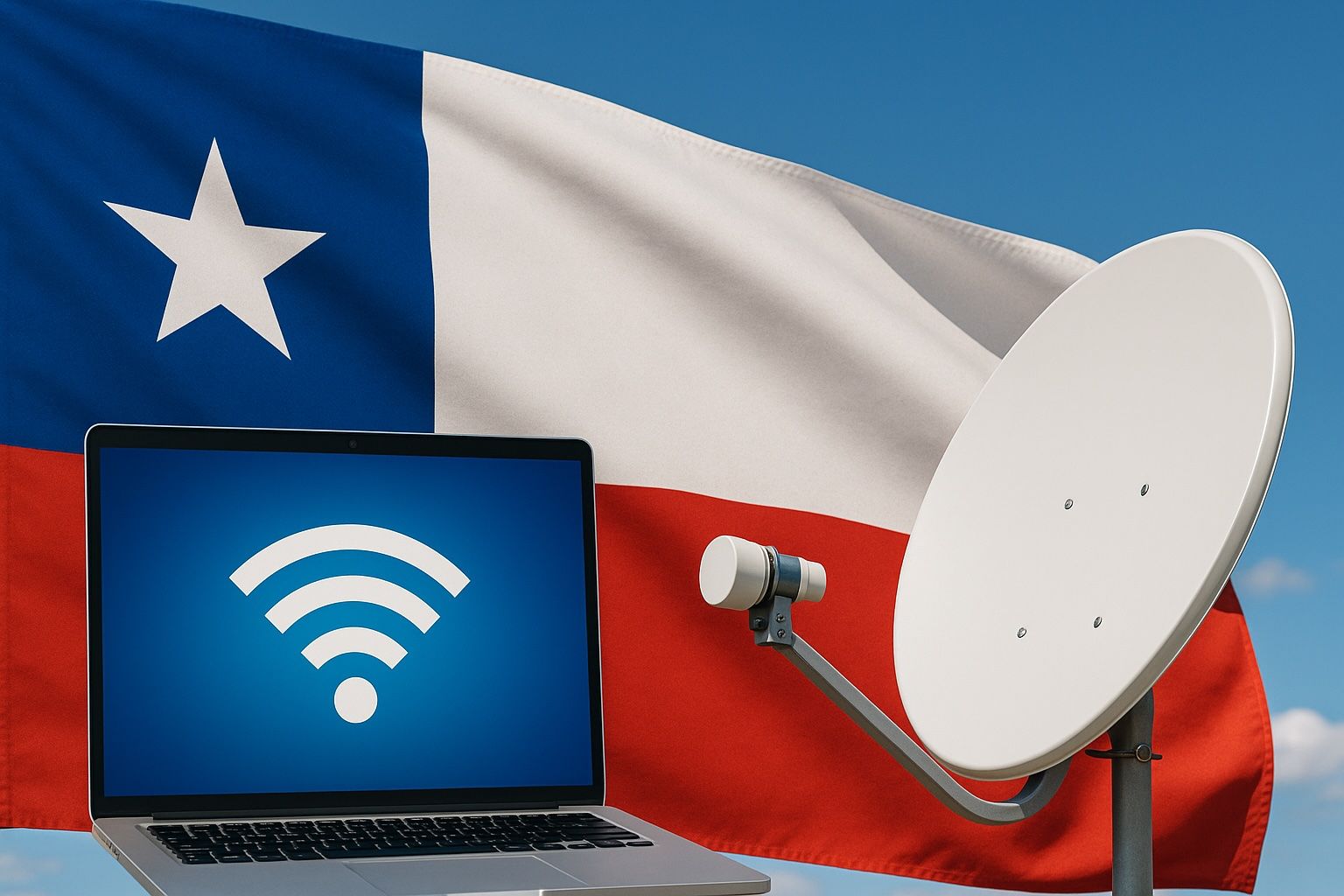
As of early 2024, 96.5% of Chilean households have internet access, up from about 70.2% in 2015. Fixed broadband subscriptions reached 4.52 million in 2023, or 22.6 per 100 inhabitants. As of late 2023, nearly 70% of fixed connections are fiber-optic (FTTH/B), with copper DSL largely replaced. 96.8% of urban households and 94.5% of rural households have internet access, narrowing…
29 May 2025
Out of Signal? These Phones Talk to Space! The Truth About Satellite SMS and Satellite Phones

Out of Signal? These Phones Talk to Space! The Truth About Satellite SMS and Satellite Phones

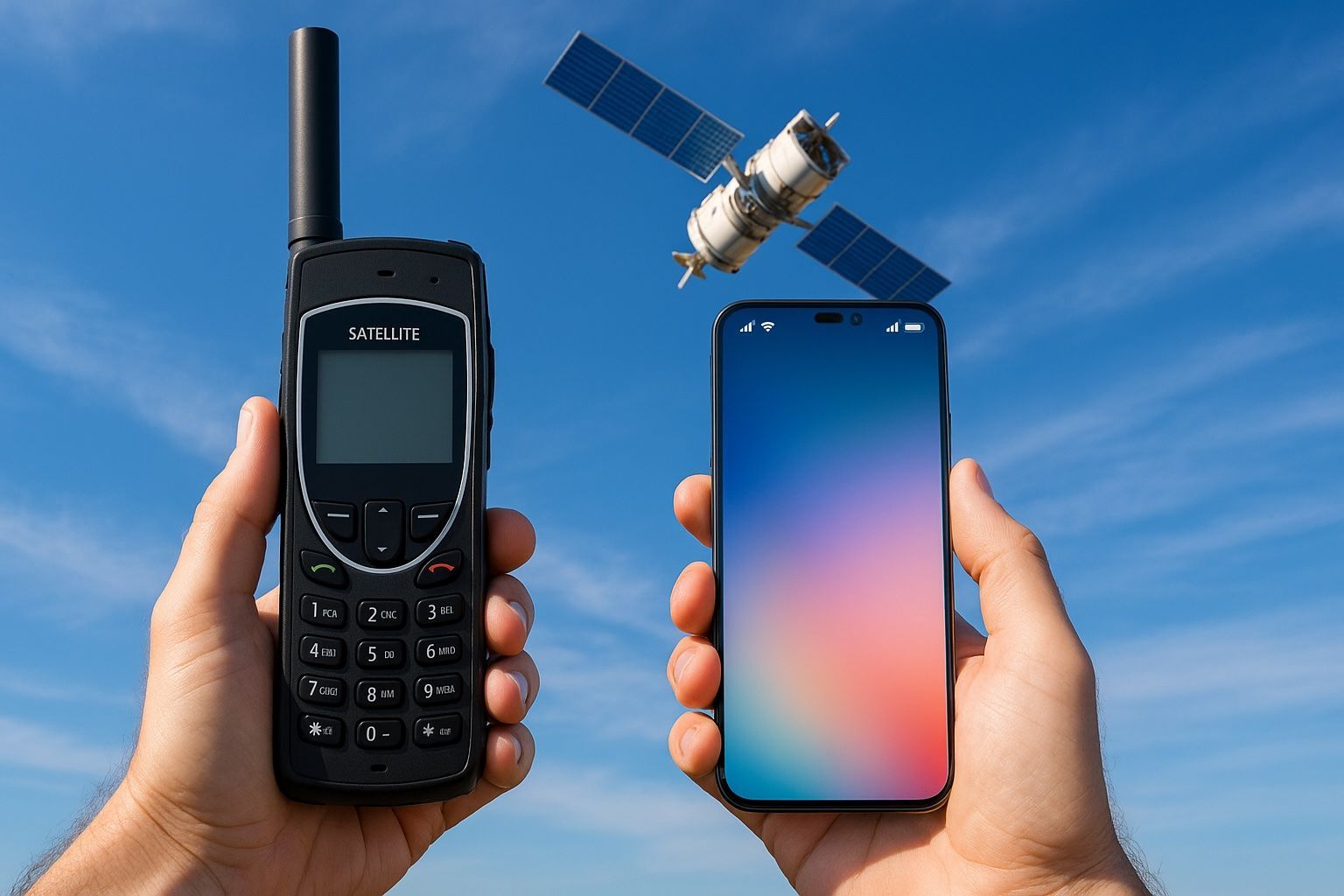
The iPhone 14 introduced Emergency SOS via satellite in September 2022 using the Globalstar network, with a US/Canada launch in November 2022 and expansion to 17 countries by mid-2024. The Huawei Mate 60 Pro, released in August 2023, became the world’s first smartphone to support direct satellite voice calls via China’s Tiantong-1 GEO constellation. Iridium operates 66 active LEO satellites…
Inside OneWeb’s Global Internet Play: How This Satellite Network Is Quietly Disrupting Starlink’s Orbit

Inside OneWeb’s Global Internet Play: How This Satellite Network Is Quietly Disrupting Starlink’s Orbit

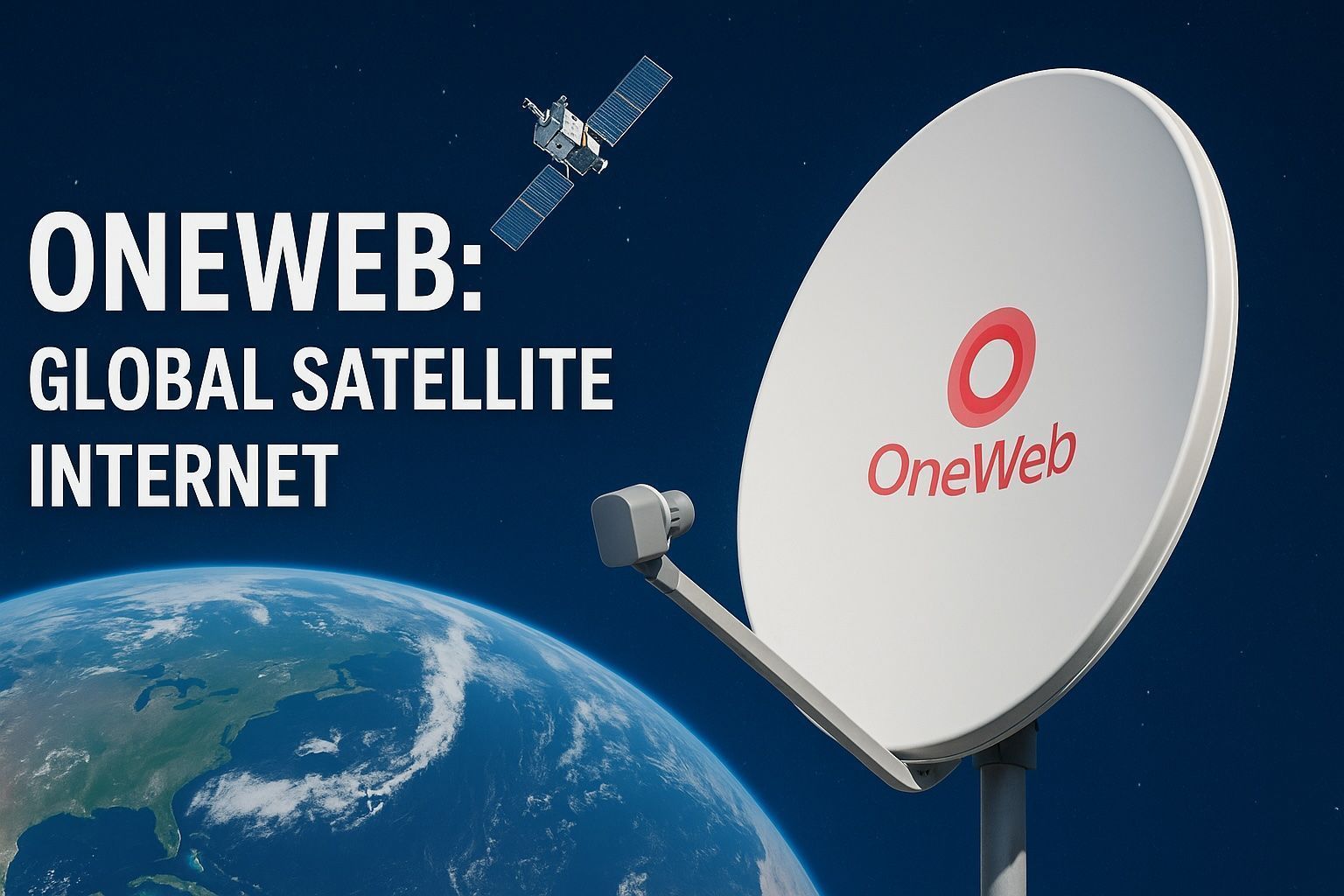
OneWeb’s first-generation constellation comprises 648 LEO satellites at about 1,200 km altitude, each ~150 kg, using Ku-band for user links and Ka-band for gateways, with 16 spot beams and no inter-satellite laser links, delivering up to 7.2 Gbps per satellite. By late 2021, OneWeb achieved partial service in high-latitude regions, focusing on the Arctic, Northern Europe, Greenland, and Alaska. On…
29 May 2025
Sky-Fi Revolution: How Starlink Is Reshaping Global Internet Access

Sky-Fi Revolution: How Starlink Is Reshaping Global Internet Access

Starlink is a SpaceX satellite internet constellation that began launching in 2019 to deliver broadband virtually anywhere on Earth. As of late 2024, SpaceX had launched over 7,000 Starlink satellites, with FCC authorization for about 12,000 and potential expansion beyond 30,000 in the future. Starlink satellites orbit at approximately 550 km altitude in multiple orbital shells, enabling lower latency than…
Brazil’s Digital Divide: The Real Story Behind Internet Access and the Race to Connect Everyone

Brazil’s Digital Divide: The Real Story Behind Internet Access and the Race to Connect Everyone

As of 2023, about 88% of Brazilians aged 10 or older used the internet, equal to roughly 164 million people. In 2023, about 92.5% of Brazilian households had internet access. Regional disparities exist, with the Central-West around 91% online in 2023 while the North and Northeast hovered around 85%. Fiber-to-the-home (FTTH) has surged, and by late 2024 fiber accounted for…
State of Internet Access in Argentina: Fiber, 5G, and Satellite in 2025

State of Internet Access in Argentina: Fiber, 5G, and Satellite in 2025

Argentina had about 40.6 million internet users and an internet penetration of 88% in early 2024, according to DataReportal. Fixed broadband subscriptions reached 11.9 million by end-2024, including about 4.8 million fiber subscriptions, up roughly 1 million that year. Fiber grew to represent about 41% of fixed broadband lines nationwide by late 2024, up from roughly 34% at end-2023. In…
29 May 2025
Inside Nicaragua’s Digital Frontier: The Truth About Internet Access and Satellite Connectivity

Inside Nicaragua’s Digital Frontier: The Truth About Internet Access and Satellite Connectivity

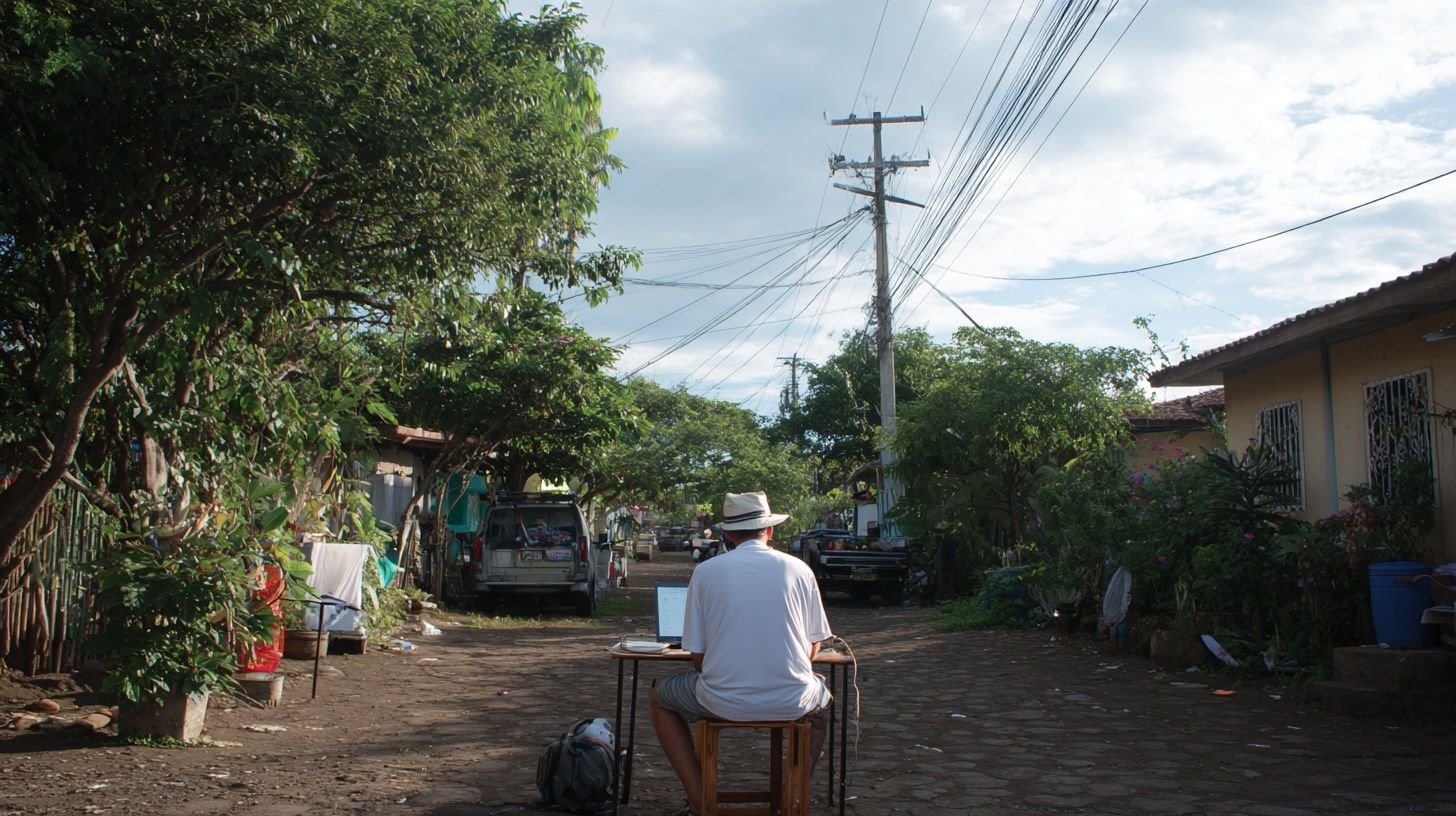
As of early 2025 Nicaragua had 8.71 million mobile connections, about 125% of the population, with more than 95% of lines capable of 3G/4G broadband. In January 2025, 4.47 million Nicaraguans used the internet, equal to 64.1% of the population. There were about 371,000 fixed broadband subscriptions in 2023, 5.43 per 100 people, with most lines in urban areas and…
Connecting the Unconnected: The State of Internet Access in the Central African Republic

Connecting the Unconnected: The State of Internet Access in the Central African Republic

As of January 2024, CAR had 616,600 internet users, 10.6% internet penetration, and about 89% of the population remained offline. In 2024 there were 1.86 million active cellular mobile connections, equating to a 32.0% mobile penetration. About 56% of Central Africans live in rural areas, with only around 14% of households having electricity. The Central African Backbone fiber project delivered…

Stock Market Today

  • Vanguard Long-Term Bond ETF (BLV) Falls Below Key 200-Day Moving Average
    January 20, 2026, 12:31 PM EST. Shares of the Vanguard Long-Term Bond ETF (BLV) dipped below their critical 200-day moving average of $71.70 on Friday, reaching a low of $71.55. This technical indicator, which represents the average closing price over the past 200 trading days, is often used by traders to gauge the market trend. BLV's price decline of about 0.4% accompanies the drop below this threshold. The ETF's 52-week price range spans from a low of $62.95 to a high of $79.215, with the last traded price near the moving average. This movement hints at potential shifts in investor sentiment toward long-term bonds, amid broader market dynamics.
Go toTop