Browse Category

Drones News 29 May 2025 - 15 June 2025

Flying High or Facing Fines? The Ultimate Guide to Canada’s Drone Laws (2025)

Flying High or Facing Fines? The Ultimate Guide to Canada’s Drone Laws (2025)

Transport Canada regulates drones under the Aeronautics Act and the Canadian Aviation Regulations, with Part IX of the CARs introduced in 2019 to set nationwide RPAS rules for drones from 250 g to 25 kg. Drones weighing under 250 g, often called microdrones, are largely exempt from licensing and registration, though pilots must still fly safely. Canada uses a risk-based Basic versus Advanced framework and applies the same safety rules to recreational and commercial flights, regardless of intent. Drones in the 250 g to 25 kg range must be registered with Transport Canada and pilots must hold a drone pilot
15 June 2025
Australian Drone Laws 2025: Complete Guide to Rules, Registration & No-Fly Zones

Australian Drone Laws 2025: Complete Guide to Rules, Registration & No-Fly Zones

CASA regulates drones under Part 101, applying national rules across Australia with uniform standards, while state or local bylaws can add restrictions. Recreational drone rules include a maximum altitude of 120 meters, a 30-meter minimum distance from people, no flying over crowds, daylight and visual line-of-sight operations, and the requirement to operate only one drone at a time. Drones heavier than 250 grams must stay at least 5.5 kilometers from controlled airports, while drones 250 grams or lighter may fly within 5.5 kilometers up to 45 meters but cannot use airport approach or departure paths. Recreational pilots must respect privacy
15 June 2025
UK Drone Laws Explained: What Every Pilot Must Know in 2025

UK Drone Laws Explained: What Every Pilot Must Know in 2025

The UK drone regime uses three operation categories—Open, Specific, and Certified—with Open further divided into A1, A2, and A3. Open A1 applies to drones under 250g and allows flight over people in built‑up areas but not over crowds. Open A2 covers drones up to 2 kg and requires an A2 Certificate of Competency (A2 CofC) to fly closer to uninvolved people. Open A3 covers larger drones up to 25 kg or any drone without further qualifications, and must be flown well away from people and built‑up areas (minimum 50 m from people and 150 m from built‑up areas). Specific category
14 June 2025
Drone Imports and Exports Involving Ukraine (2025)

Drone Imports and Exports Involving Ukraine (2025)

Countries and Companies Supplying Drones to Ukraine Types and Models of Drones Used by Ukraine (by Function) Ukraine employs a vast array of drones, both military-grade and civilian, serving different functions on and off the battlefield. Below are the major categories of drone types and notable models in each category: Ukrainian Drone Manufacturers and Domestic Capabilities Prior to 2022, Ukraine had only a handful of drone makers and mostly imported its UAVs. The war, however, spurred an explosive growth in domestic drone manufacturing, transforming Ukraine into a drone technology hub. By 2025 there were roughly 500 Ukrainian companies producing drones
13 June 2025
Import of Military-Grade Drones to Ukraine (2025 Update)

Import of Military-Grade Drones to Ukraine (2025 Update)

In February 2023 Parliament exempted UAVs from import duty and VAT, with the exemption extended through 2025 and renewed to cover defense goods until at least January 1, 2026; by early 2025, 98% of drones imported entered duty-free. A late-2022 Cabinet resolution allowed drones to clear customs with simplified procedures and no required bonds, and August 2023 saw removal of some documentation and certificates for civil or dual-use drones to speed imports. Exemption generally requires military or humanitarian use; volunteers, charities, or units can import drones tax-free if destined for the war effort. Ukraine maintains both official government import channels
13 June 2025
Fiber-Optic Drones in Ukraine: Evolution, Applications, and Impact

Fiber-Optic Drones in Ukraine: Evolution, Applications, and Impact

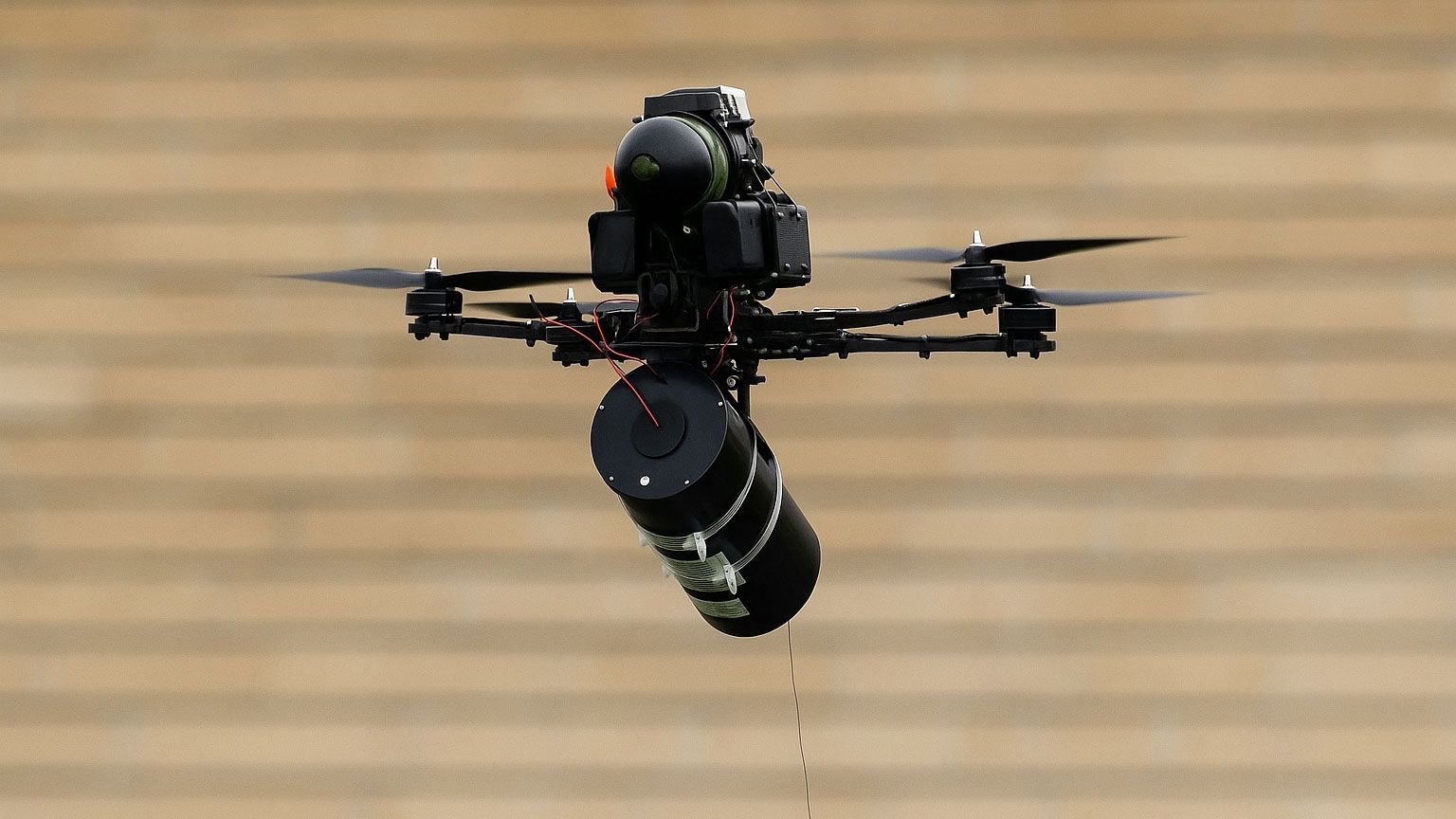
The Knyaz Vandal Novgorodsky fiber-optic FPV drone, built by the Russian volunteer group Ushkuinik led by Aleksey Chadaev, was deployed in August 2024 in Russia’s Kursk region to counter Ukrainian incursions. By late 2024 and early 2025, elite Russian fiber-optic FPV units named Rubicon and Sudny Den operated in eastern Ukraine, carrying spools up to about 10.8 km and achieving ranges of 20–30 km with roughly 80% success at 20 km. In December 2024 Ukraine demonstrated FPV drones controlled via fiber-optic cables to high-ranking officers, presenting more than a dozen domestic models with payloads up to 3 kg. By early
13 June 2025
Importing Drones to Ukraine – A Comprehensive Overview

Importing Drones to Ukraine – A Comprehensive Overview

In February 2023 Ukraine abolished value-added tax (VAT) and import duties on drones and related equipment, with exemptions extended to at least January 1, 2025 under martial law. Under the “235 Preference,” international postal and express UAV shipments to Ukraine are fully exempt from customs duties and VAT. In early 2023 the Cabinet canceled the requirement for volunteer importers to provide an end-user guarantee letter and waived dual-use drone licenses. Since April 2024 Ukraine uses an online humanitarian cargo system on good.gov.ua that assigns a unique code to drone shipments for fast border clearance. DJI direct sales to Ukraine stopped
13 June 2025
DJI Matrice 4E and Matrice 4T Series Drones: Comprehensive Report

DJI Matrice 4E and Matrice 4T Series Drones: Comprehensive Report

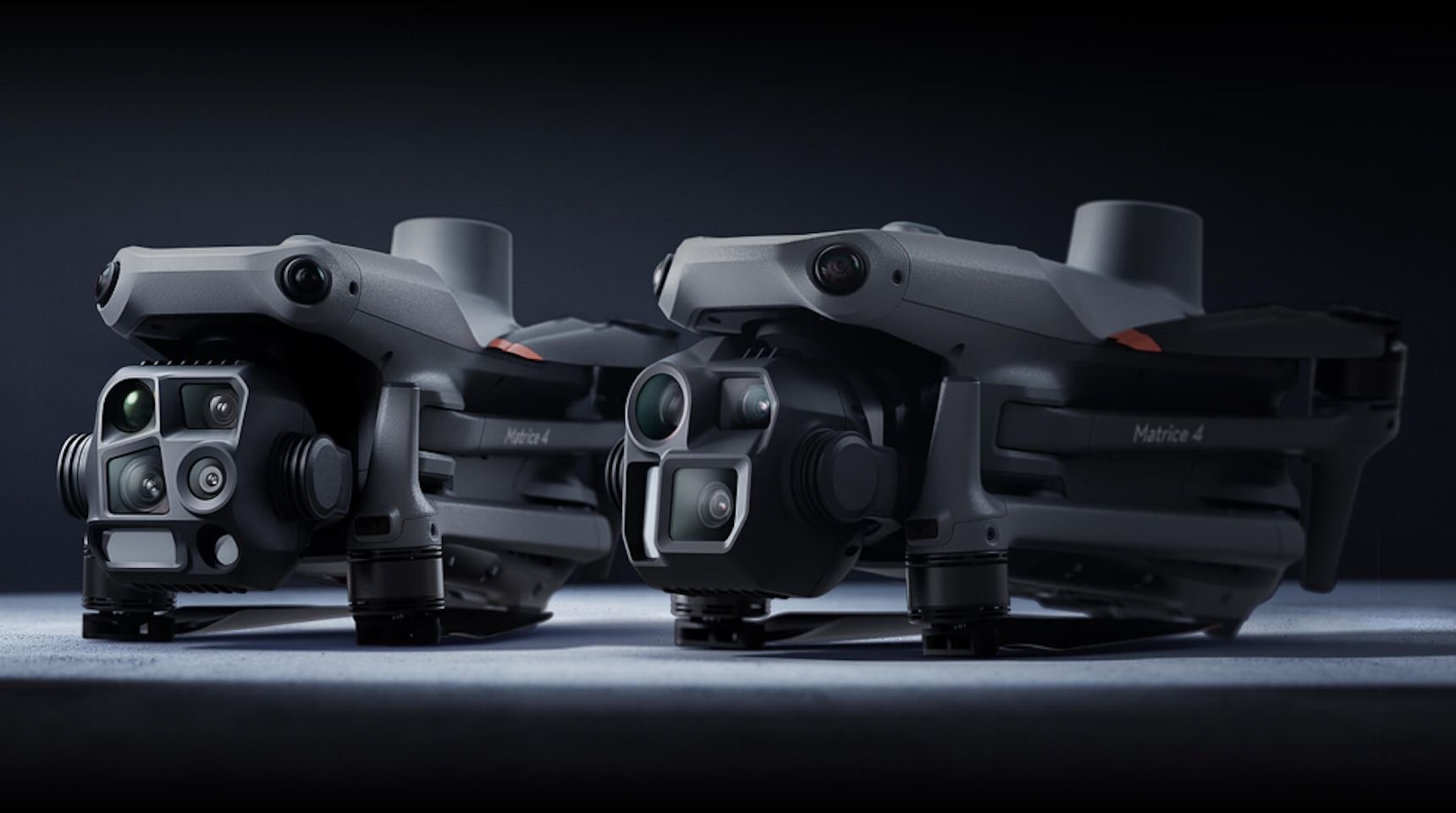
The DJI Matrice 4 Series was launched in January 2025 and comprises two models, Matrice 4T (Thermal) and Matrice 4E (Enterprise), both with foldable airframes and about 1.22 kg takeoff weight. The Matrice 4T adds a radiometric thermal camera (640×512 px, 12 µm, 30 Hz) and a built-in near‑IR spotlight with a 6° field of view, covering roughly 100 m range. The Matrice 4E targets geospatial tasks, pairing a 20 MP wide camera with a 4/3″ sensor and mechanical shutter, plus 48 MP medium and 48 MP tele cameras enabling up to 112× hybrid zoom. Both drones use the O4
5 June 2025
Global Drone Market Outlook (2025–2030)

Global Drone Market Outlook (2025–2030)

In 2024, the total global drone market was about $73 billion, with forecasts to reach roughly $163–165 billion by 2030 at around a 14% CAGR. Some analyses forecast growth from about $30 billion in 2022 to $260.5 billion by 2030, implying a 27–39% annual growth rate. By 2030 the market’s major segments are projected to be: Consumer about $11.6B, Commercial about $55B, Military about $90B, Delivery about $10.5B, and Agricultural about $22.5B in annual revenue. DJI dominates the consumer drone market with an estimated 70–80% global share, over 90% in some sub-categories, led by Phantom and Mavic series as of
Global Drone Industry: 2025 Market Report

Global Drone Industry: 2025 Market Report

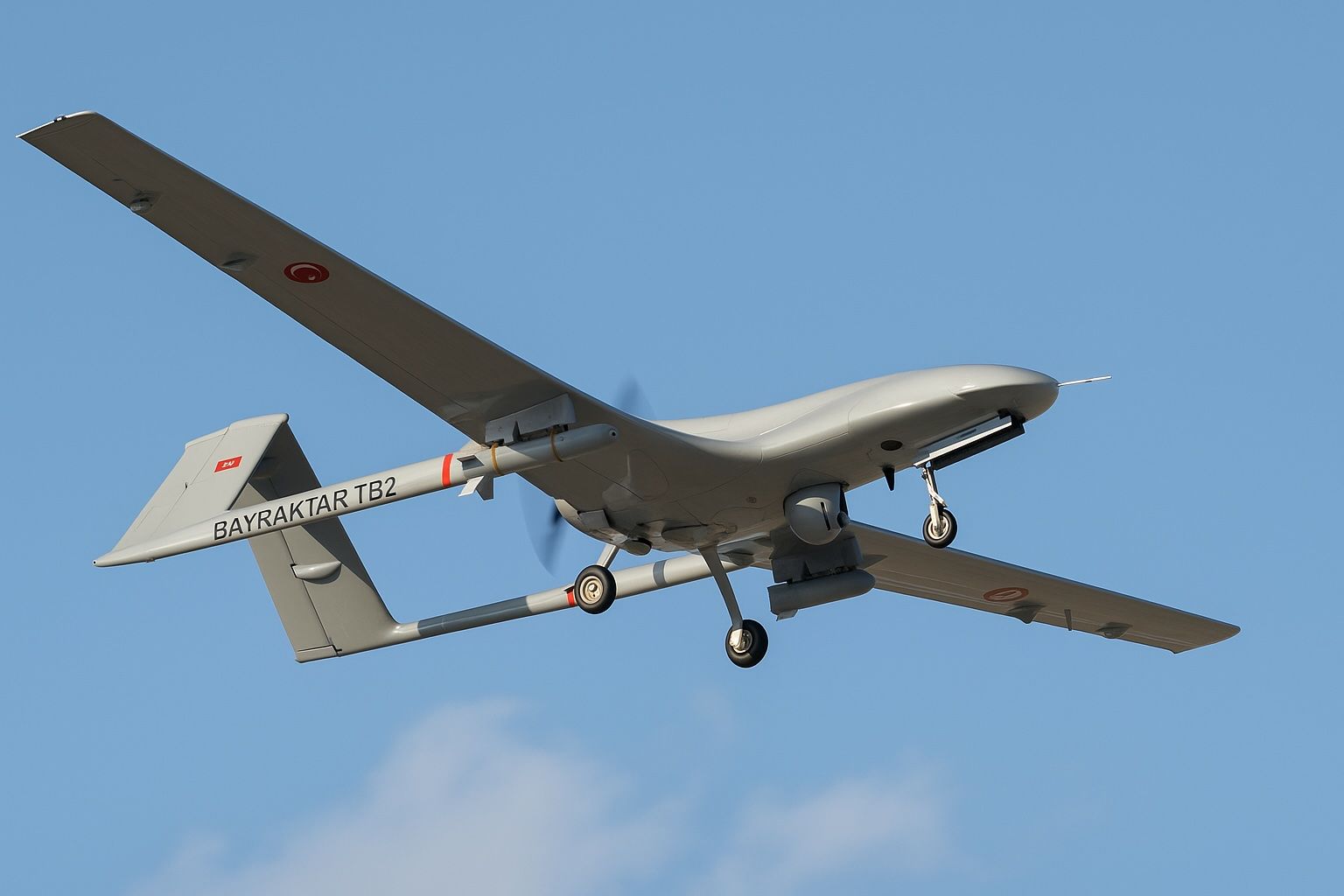
The global drone market was valued at about $73 billion in 2024 and is forecast to reach $163+ billion by 2030, with a 14%+ CAGR in the latter 2020s. Military and defense end-use accounted for about 60% of total drone market value in 2024. DJI held an estimated 70%+ share of the global drone market by 2024. Ukraine produced over 2 million drones domestically in 2024 and, per President Zelensky in early 2025, has the capacity to build 4 million drones annually. Baykar’s TB2 armed drone has endurance over 24 hours and by 2024 Baykar had export deals with 30
29 May 2025
Drones in Ukraine (2022–2025): A Comprehensive Report

Drones in Ukraine (2022–2025): A Comprehensive Report

By late 2023, nearly every Ukrainian combat brigade had integrated drones, with dedicated UAV units for surveillance, artillery spotting, and attack missions. Small off-the-shelf DJI Mavic quadcopters, priced around $1,500–$3,000, were widely used for frontline reconnaissance and artillery correction. FPV kamikaze drones cost as little as $400–$500 to assemble and have been linked to a large share of Russian losses, with estimates of 60–80%. UkrJet’s UJ-22 has an 800 km range for long-range strikes, while Antonov’s Lyuty reportedly has a 750 km range and a sub-$200,000 price per unit. By end-2024 Ukraine conducted the world’s first fully unmanned joint attack
29 May 2025
1 12 13 14

Stock Market Today

Kenvue stock price holds near $18 as Kimberly-Clark deal math tightens — what to watch next week

Kenvue stock price holds near $18 as Kimberly-Clark deal math tightens — what to watch next week

7 February 2026
Kenvue shares closed Friday at $18.13, up 0.33%, with about 63.5 million shares traded. The Kimberly-Clark offer values Kenvue at roughly $18.76 per share, leaving a deal spread of about 3%. Both companies’ shareholders approved the merger, which is expected to close in the second half of 2026 pending regulatory approvals. Kenvue’s dividend record date is Feb. 11, with earnings due Feb. 17.
Go toTop