Browse Category

Internet News 5 April 2025 - 29 May 2025

Brazil’s Digital Divide: The Real Story Behind Internet Access and the Race to Connect Everyone

Brazil’s Digital Divide: The Real Story Behind Internet Access and the Race to Connect Everyone

As of 2023, about 88% of Brazilians aged 10 or older used the internet, equal to roughly 164 million people. In 2023, about 92.5% of Brazilian households had internet access. Regional disparities exist, with the Central-West around 91% online in 2023 while the North and Northeast hovered around 85%. Fiber-to-the-home (FTTH) has surged, and by late 2024 fiber accounted for about 77% of fixed broadband subscriptions, with about 41.3 million fiber connections out of roughly 53 million fixed lines. 4G coverage is virtually universal, with 4G available in all 5,570 municipalities and over 98% of the population covered. The November
29 May 2025
State of Internet Access in Argentina: Fiber, 5G, and Satellite in 2025

State of Internet Access in Argentina: Fiber, 5G, and Satellite in 2025

Argentina had about 40.6 million internet users and an internet penetration of 88% in early 2024, according to DataReportal. Fixed broadband subscriptions reached 11.9 million by end-2024, including about 4.8 million fiber subscriptions, up roughly 1 million that year. Fiber grew to represent about 41% of fixed broadband lines nationwide by late 2024, up from roughly 34% at end-2023. In October 2023, a 3.5 GHz mid-band spectrum auction allocated 250 MHz to Claro, Movistar, and Personal, enabling broader 5G deployment. In February 2024, Argentina authorized low Earth orbit satellite providers Starlink, OneWeb, and Kuiper to operate nationwide. Starlink began accepting
29 May 2025
Inside Nicaragua’s Digital Frontier: The Truth About Internet Access and Satellite Connectivity

Inside Nicaragua’s Digital Frontier: The Truth About Internet Access and Satellite Connectivity

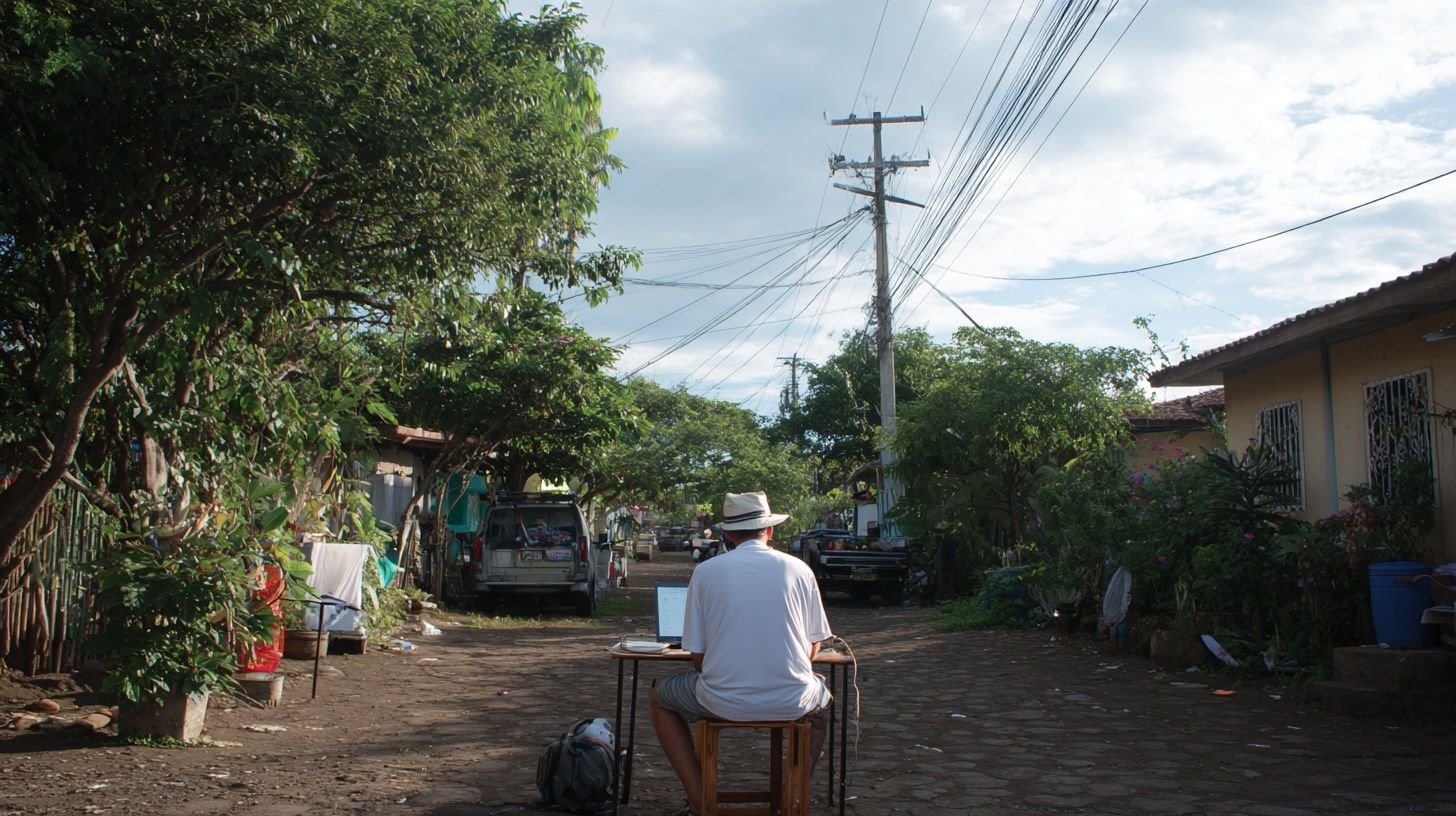
As of early 2025 Nicaragua had 8.71 million mobile connections, about 125% of the population, with more than 95% of lines capable of 3G/4G broadband. In January 2025, 4.47 million Nicaraguans used the internet, equal to 64.1% of the population. There were about 371,000 fixed broadband subscriptions in 2023, 5.43 per 100 people, with most lines in urban areas and fixed access below 6% nationwide. Since 2023 the government has activated free public Wi‑Fi hotspots in 25 parks, managed by TELCOR and municipalities. By 2023 about 87.4% of the population had 4G coverage and over 94% had 3G coverage, though
29 May 2025
Internet Access in Russia

Internet Access in Russia

As of early 2025, Russia had about 133 million internet users, a penetration rate of 92.2% of the population. Russia’s backbone includes over 100 data centers and 38 Internet Exchange Points, with Moscow and St. Petersburg acting as major hubs. There were 216 million active mobile cellular connections in 2025, equal to about 150% of the population, and about 95% of these connections are broadband. Fixed broadband is dominated by fiber, with FTTH/FTTB accounting for more than 90% of fixed lines in many regions and over 31 million fiber broadband subscribers by 2022. In 2023 Russia had approximately 110 mobile
15 May 2025
Internet Access in India: A Comprehensive Guide for Residents and Tourists

Internet Access in India: A Comprehensive Guide for Residents and Tourists

As of early 2024, India had about 750–950 million internet users, roughly 50–68% of the population, with rural users totaling over 440 million. There are over 1.15 billion mobile connections in use, and more than 95% of internet subscriptions are via wireless mobile networks. Fixed broadband accounts for roughly 4% of subscriptions, with about 40–45 million wired connections nationwide. Fiber-to-the-home and DSL dominate fixed broadband, with fiber plans offering 50 Mbps to 1 Gbps in many metro and tier-2 cities. Entry-level fiber plans start around ₹399–₹499 per month for about 30–40 Mbps unlimited data. 4G coverage now reaches about 99%
15 May 2025
Kuala Lumpur’s Lightning-Fast Internet: Blazing Speeds or Overhyped Connection?

Kuala Lumpur’s Lightning-Fast Internet: Blazing Speeds or Overhyped Connection?

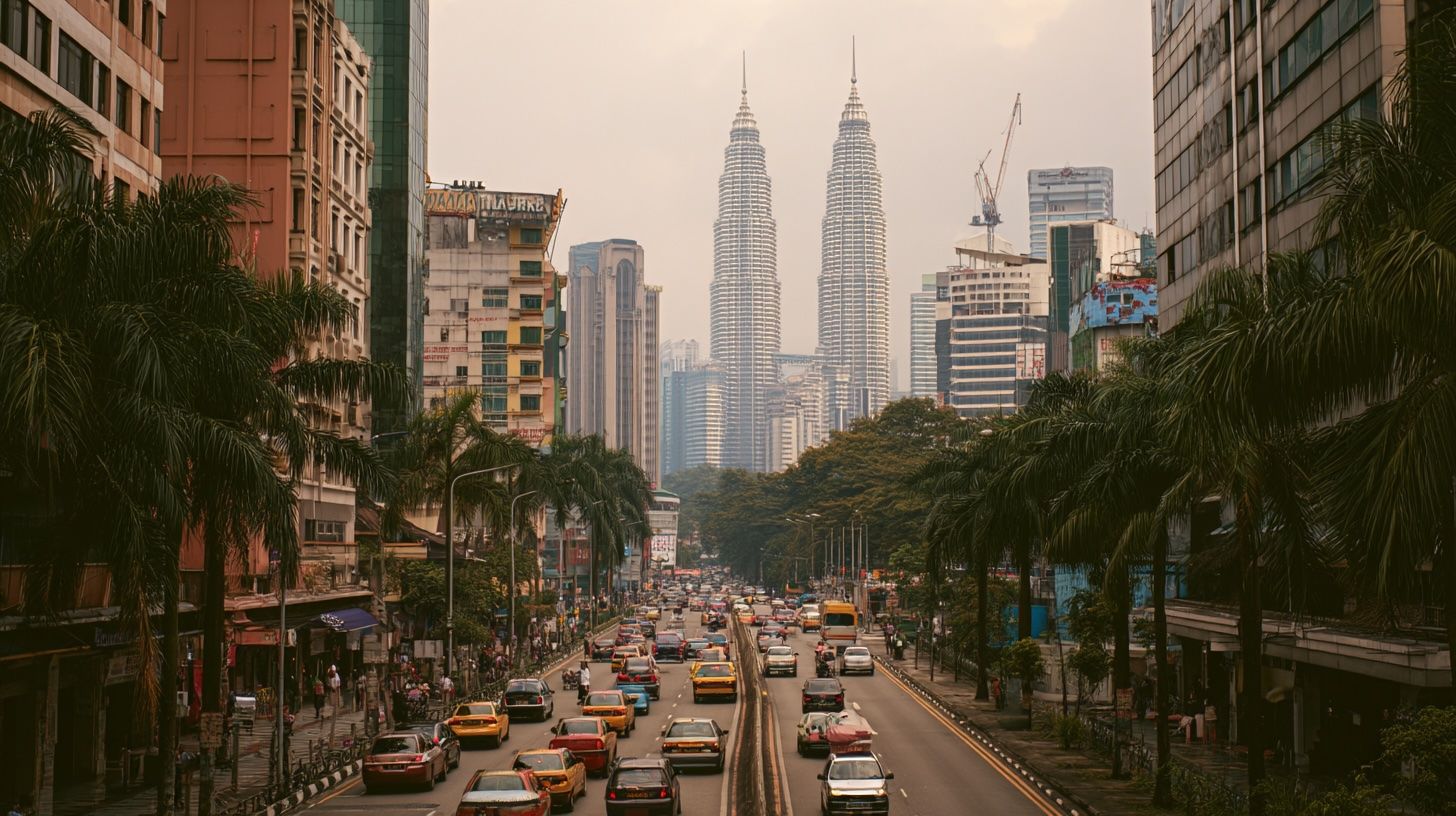
Malaysia’s internet penetration exceeds 97% of the population, with mobile subscriptions around 130%. Fiber broadband in Kuala Lumpur is widely available, dominated by Telekom Malaysia’s Unifi, with TIME dotCom, Maxis, and CelcomDigi as major players; TIME offers symmetrical speeds up to 1 Gbps in many high-rise residences. By early 2024, about 3.32 million of Malaysia’s 4.19 million premises had been fiberized under the JENDELA program, with Kuala Lumpur a focal point of the upgrades. 4G coverage is essentially universal in KL (about 97–98%), while 5G coverage exceeded 80% nationwide by end-2023 and is strong in the city center. 5G rollout
15 May 2025
Connected Malaysia 2025: A Complete Guide to Fiber, Mobile, Satellite & Public Internet Access

Connected Malaysia 2025: A Complete Guide to Fiber, Mobile, Satellite & Public Internet Access

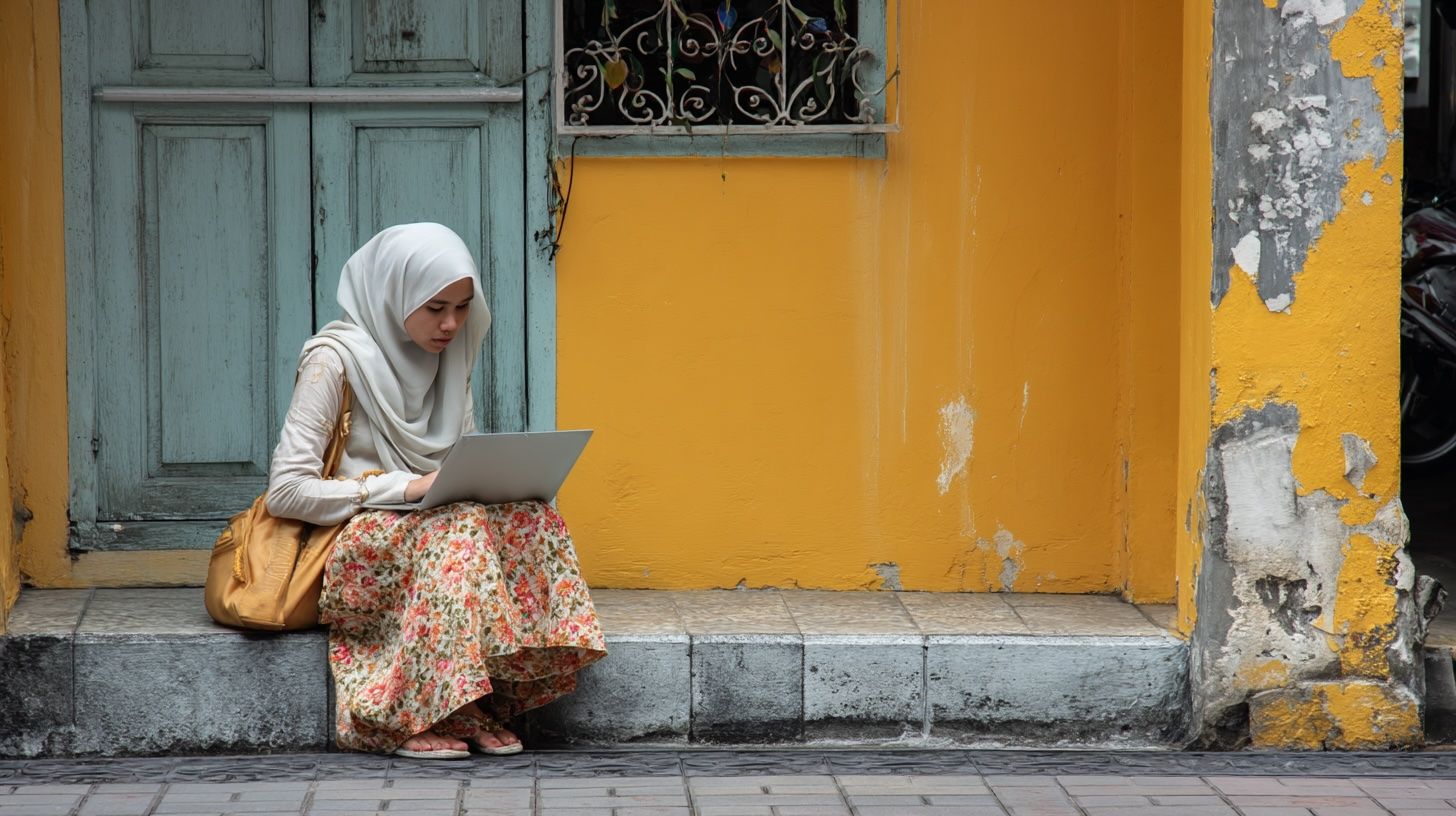
JENDELA (Jalinan Digital Negara) runs 2020–2025 and, by 2022 Phase 1 exceeded targets with 4G reaching about 97% of the population and fiber broadband deployed to 7.74 million premises, with Phase 2 targeting 100% population coverage in populated areas by end-2025. 4G coverage is about 97% of populated areas, with roughly 3% in geographies where access remains difficult, particularly in remote Sabah and Sarawak. Starlink Malaysia received a 10-year license in 2023, became commercially available mid-2023, with a monthly RM220 service, hardware kits priced around RM2,300 (standard) or RM11,000 (enterprise), delivering up to about 100 Mbps down and 20–40 ms
15 May 2025
Internet Access in Phuket: A Tourist-Focused Overview

Internet Access in Phuket: A Tourist-Focused Overview

Phuket has widespread fiber-to-the-home (FTTH) with speeds up to 1 Gbps, and some cases 2 Gbps. AIS announced by mid-2024 that its 5G network reached 95% of Thailand’s population, including Phuket. 5G launched in 2020 and Phuket was among the first areas to receive it, along with Bangkok and Chiang Mai. Patong City launched free citywide Wi‑Fi using Cisco and CAT Telecom, via the SmartCityFreeWiFi network managed by Meraki. AIS tourist SIMs include an 8-day package for about 399 THB with 25 GB of high-speed data, plus 15- and 30-day options. 4G speeds in Phuket typically range 30–100 Mbps, while
15 May 2025
Maldives’ Internet Revolution: From Remote Atolls to a 5G-Powered Paradise

Maldives’ Internet Revolution: From Remote Atolls to a 5G-Powered Paradise

Dhiraagu (Dhivehi Raajjeyge Gulhun) was established in 1988 as the Maldives’ first telecom operator and former state monopoly. By 2000, basic telephone service had reached all inhabited islands and dial-up internet was available nationwide. In 2003 Focus Infocom received a second ISP license, and in 2005 Wataniya (Ooredoo Maldives) entered mobile service, ending Dhiraagu’s 17‑year monopoly. The Maldives’ telecom market is a duopoly dominated by Dhiraagu and Ooredoo, with Dhiraagu posting about MVR 2.8 billion revenue in 2019 and Ooredoo about MVR 2.03 billion, and Dhiraagu is 52% owned by Batelco and roughly 42% by the Maldivian government. 2G service
16 April 2025
Thailand’s High-Speed Internet Revolution: 5G, Fiber, and the Battle to Bridge the Digital Divide

Thailand’s High-Speed Internet Revolution: 5G, Fiber, and the Battle to Bridge the Digital Divide

Thailand connected to the international Internet in the late 1980s and moved to full TCP/IP by 1992. In 2004, unmetered flat-rate broadband plans were introduced, spurring rapid broadband growth from 2005 onward. The Net Pracharat Village Broadband Internet project extends high-speed internet to over 75,000 villages. Thailand’s fixed broadband ranking rose from 34th in 2018 to 11th fastest globally by January 2024. By 2022, about 21.3 million households in Thailand had fixed broadband, nearly doubling from 2016. In late 2023 AIS acquired fixed ISP 3BB and its fiber assets, becoming the largest fixed broadband provider with about 4.7 million subscribers
12 April 2025
Wi-Fi on Everest, Firewalls in Lhasa: Inside Tibet’s Internet Revolution

Wi-Fi on Everest, Firewalls in Lhasa: Inside Tibet’s Internet Revolution

A China Mobile 5G base station was installed at Mount Everest base camp at 6,500 meters in 2020, making it the world’s highest 5G site. By 2019, more than 98% of Tibet’s villages had fiber‑optic broadband and 4G mobile coverage due to government investment. By 2018, government universal service projects connected over 5,000 villages with broadband across Tibet. End of 2019 Tibet had about 50,000 mobile base stations, rising to 60,500 by late 2022. By 2023, 5G network coverage extended to all towns in Tibet. By November 2022 Tibet had 1.28 million fixed broadband internet users, with 98% of those
12 April 2025
High-Speed Himalayas: Inside Nepal’s Race to Connect Every Peak and Village

High-Speed Himalayas: Inside Nepal’s Race to Connect Every Peak and Village

Nepal’s mobile market is led by Nepal Telecom with about 57% share, Ncell around 36%, and Smart Telecom about 6%. WorldLink Communications is the largest fixed broadband ISP with 972,781 subscribers as of 2024, roughly 30% of Nepal’s fixed broadband connections. FTTH subscribers surpassed 2.5 million in January 2023 and reached about 2.89 million by late 2024, with home plans typically 20 Mbps to 100–300 Mbps and premium options up to 600 Mbps or 1 Gbps. 4G coverage reached about 88% of the population by 2023, with Nepal Telecom reporting 11.5 million 4G users and total mobile broadband subscriptions around
5 April 2025

Stock Market Today

Broadcom Stock Gets a Google AI Spend Lift as Jefferies Sees 60% Upside

Broadcom Stock Gets a Google AI Spend Lift as Jefferies Sees 60% Upside

7 February 2026
Google raised its 2026 capital expenditure forecast to $175 billion–$185 billion, with most spending expected on data-center chips. Broadcom shares rose about 2% after the announcement, while Nvidia and AMD slipped. Jefferies reiterated a buy rating on Broadcom, maintaining a $500 price target, implying a 62% upside from Wednesday’s close.
No $2,000 IRS stimulus check is coming in February 2026 — but Trump’s tariff-check talk keeps the rumors alive

No $2,000 IRS stimulus check is coming in February 2026 — but Trump’s tariff-check talk keeps the rumors alive

7 February 2026
The IRS has not announced new federal stimulus payments for February 2026, and Congress has not approved fresh checks. Trump told NBC he is considering $2,000 tariff rebate checks but has not committed, saying any payout would likely come later in 2026. The IRS warns taxpayers to ignore texts and emails about “stimulus payments” and verify notices through official channels.
Go toTop