
State of Internet Access in Guatemala: From City Wi-Fi to Satellite Lifelines
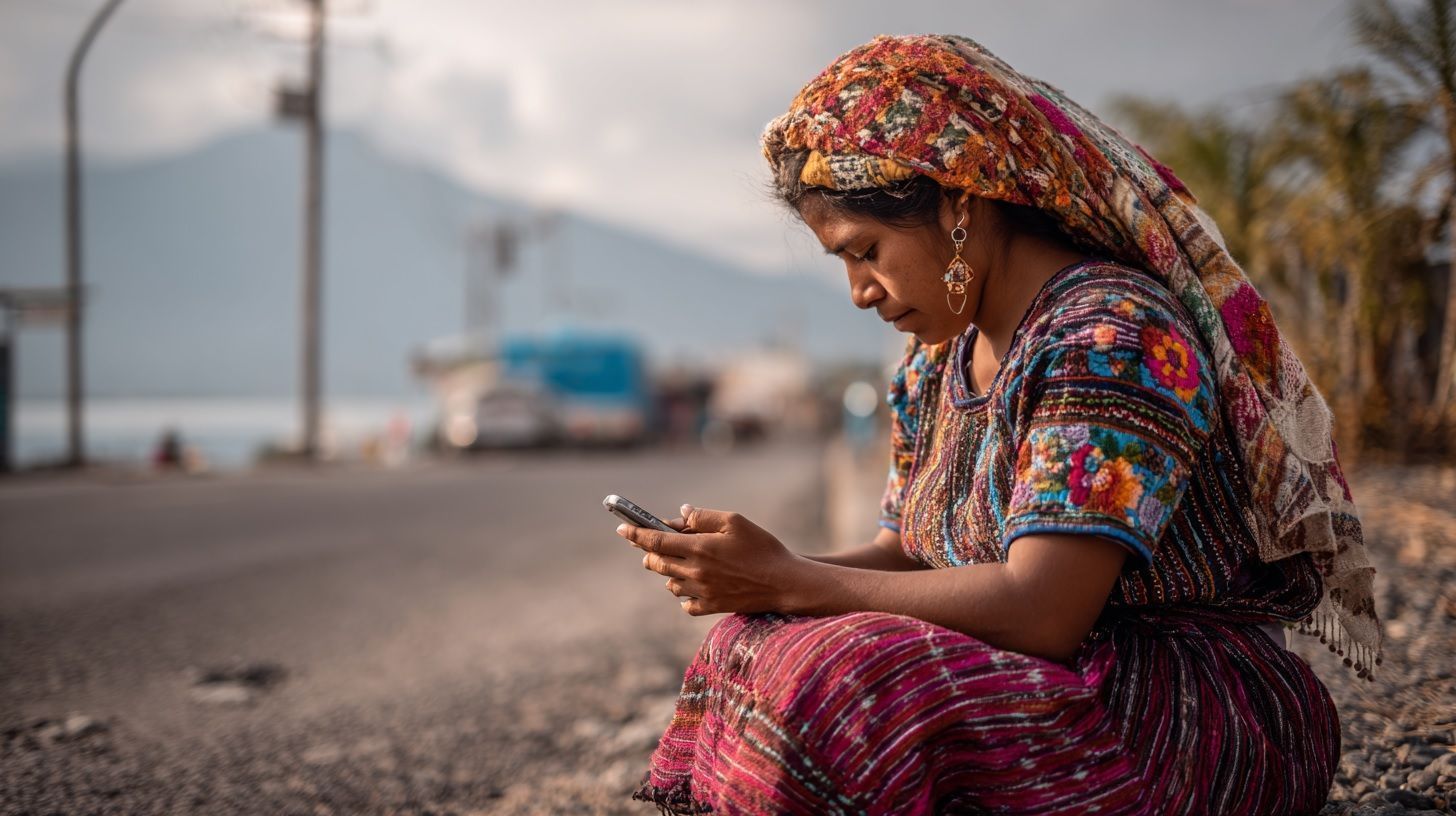
Guatemala’s internet landscape is a mix of rapid progress and persistent gaps. Over the past decade, millions of Guatemalans have come online, yet connectivity remains uneven between bustling cities and remote rural villages. This report provides a comprehensive overview of internet access in Guatemala – from the national infrastructure of fiber-optic cables and mobile networks, to urban Wi-Fi initiatives and the satellite links now reaching isolated communities. We examine coverage and penetration rates in urban vs. rural areas, identify key service providers and technologies, evaluate affordability and quality, review government policies and digital inclusion programs, and consider how satellite internet is helping bridge the digital divide. Comparisons with neighboring Central American countries and recent developments offer context for Guatemala’s connectivity journey and its future outlook.
Company hubSTO:MIC
MIC (MIC) Stock News & Analysis
Follow the latest MIC (MIC) company news, earnings coverage and investor analysis from TechStock².
Save this hub to your TS2 Signalbook account.
- Latest update
- Articles in this hub
- 1
- Last 30 days
- 0
What investors are watching
- Earnings, guidance and financial performance
- Valuation, trading activity and market sentiment
- Strategy, catalysts and company-specific risks
TechStock² Updates