Today: 30 June 2026
Browse Category

TSX:7751 31 July 2025 - 31 August 2025

Canon Camera Showdown 2025: From DSLRs to Mirrorless – Every Canon Camera Compared

Canon Camera Showdown 2025: From DSLRs to Mirrorless – Every Canon Camera Compared

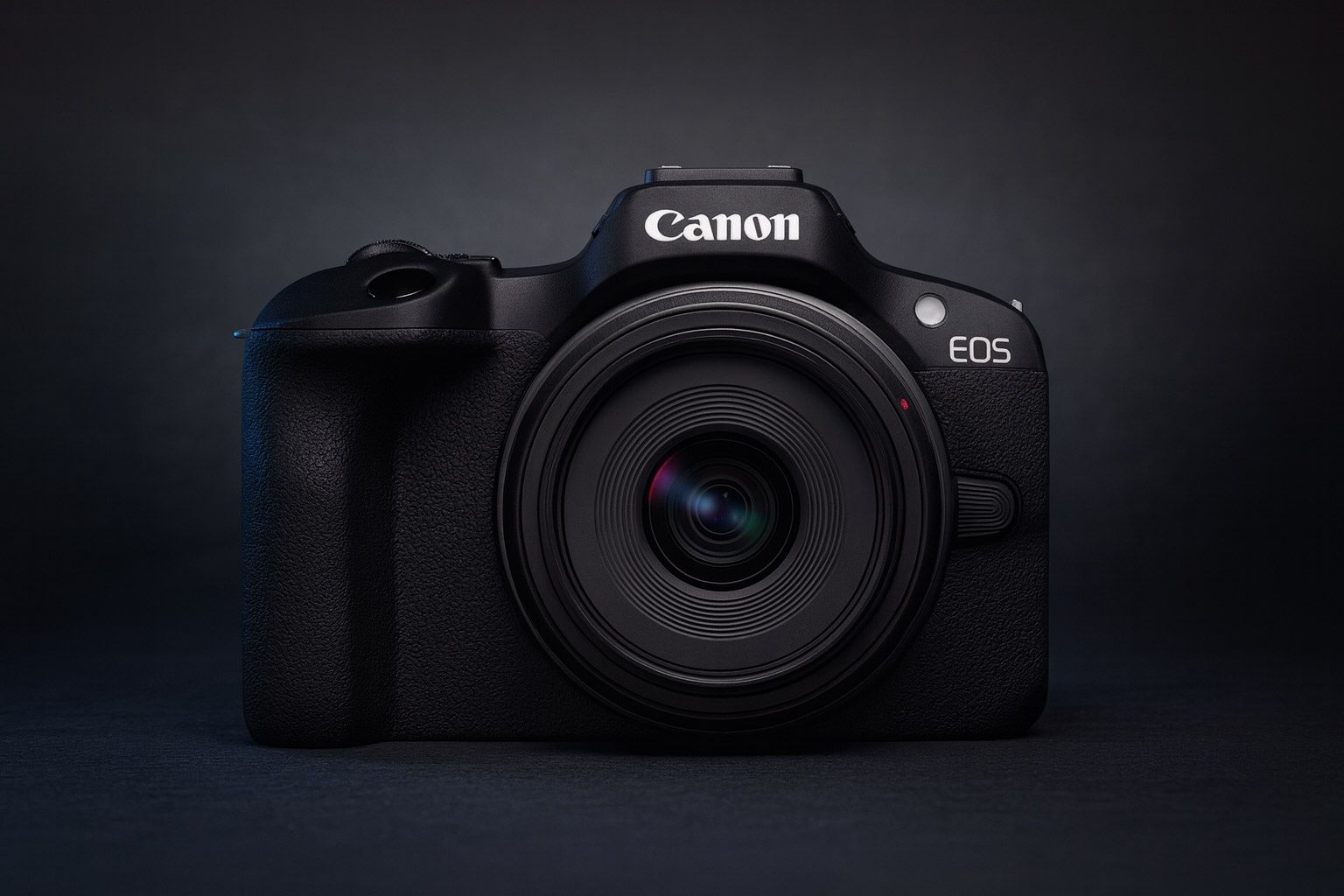
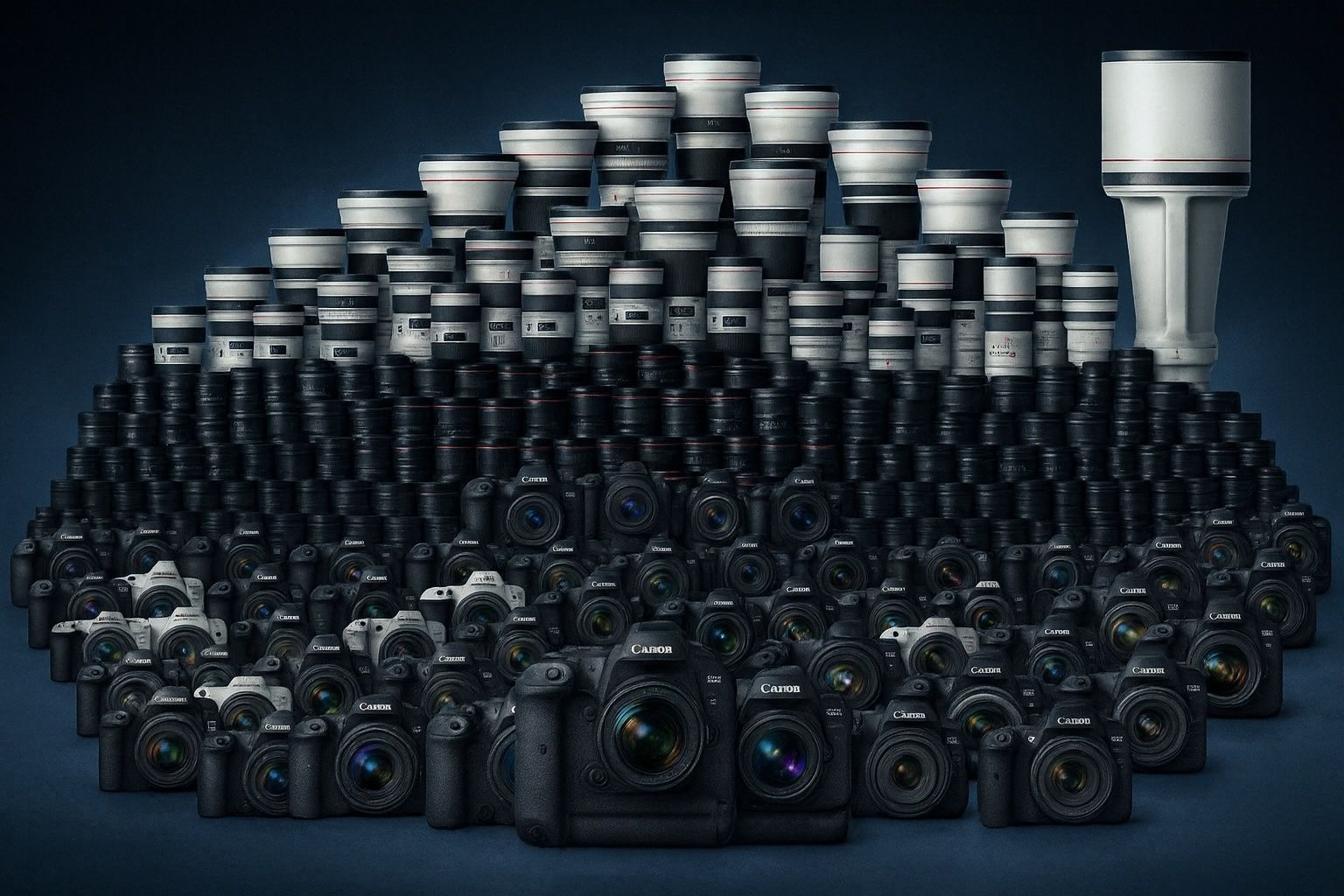
Canon has one of the broadest camera portfolios in the industry – spanning humble point-and-shoot compacts, through interchangeable-lens cameras for beginners and enthusiasts, all the way to top-of-the-line professional gear used in studios and Hollywood productions. In 2025, that lineup is in the midst of a transformation. After dominating the DSLR era for decades with its EOS series, Canon is now fully focused on mirrorless technology, rolling out advanced new models that marry high-resolution photography with cutting-edge video features. At the same time, Canon continues to support its existing DSLR users and has niche offerings like cinema cameras and premium compacts to round out its ecosystem. It’s an exciting yet challenging time to compare all of Canon’s cameras. Mirrorless models like the EOS R series now lead in innovation, while stalwart DSLRs linger for those who prefer an optical viewfinder or seek budget-friendly options. Canon also produces specialized cameras: portable PowerShot compacts for casual use or vlogging, and Cinema EOS video cameras for filmmakers. In this report, we’ll break down every category of Canon camera currently on the market – highlighting key features, performance, use cases, and how they stack up against each other and against rival brands. We’ll also
31 August 2025
Nikon NIKKOR Z 24-70mm f/2.8 S II – In-Depth Report and Comparison to Canon and Sony 24-70mm Lenses

Nikon NIKKOR Z 24-70mm f/2.8 S II – In-Depth Report and Comparison to Canon and Sony 24-70mm Lenses

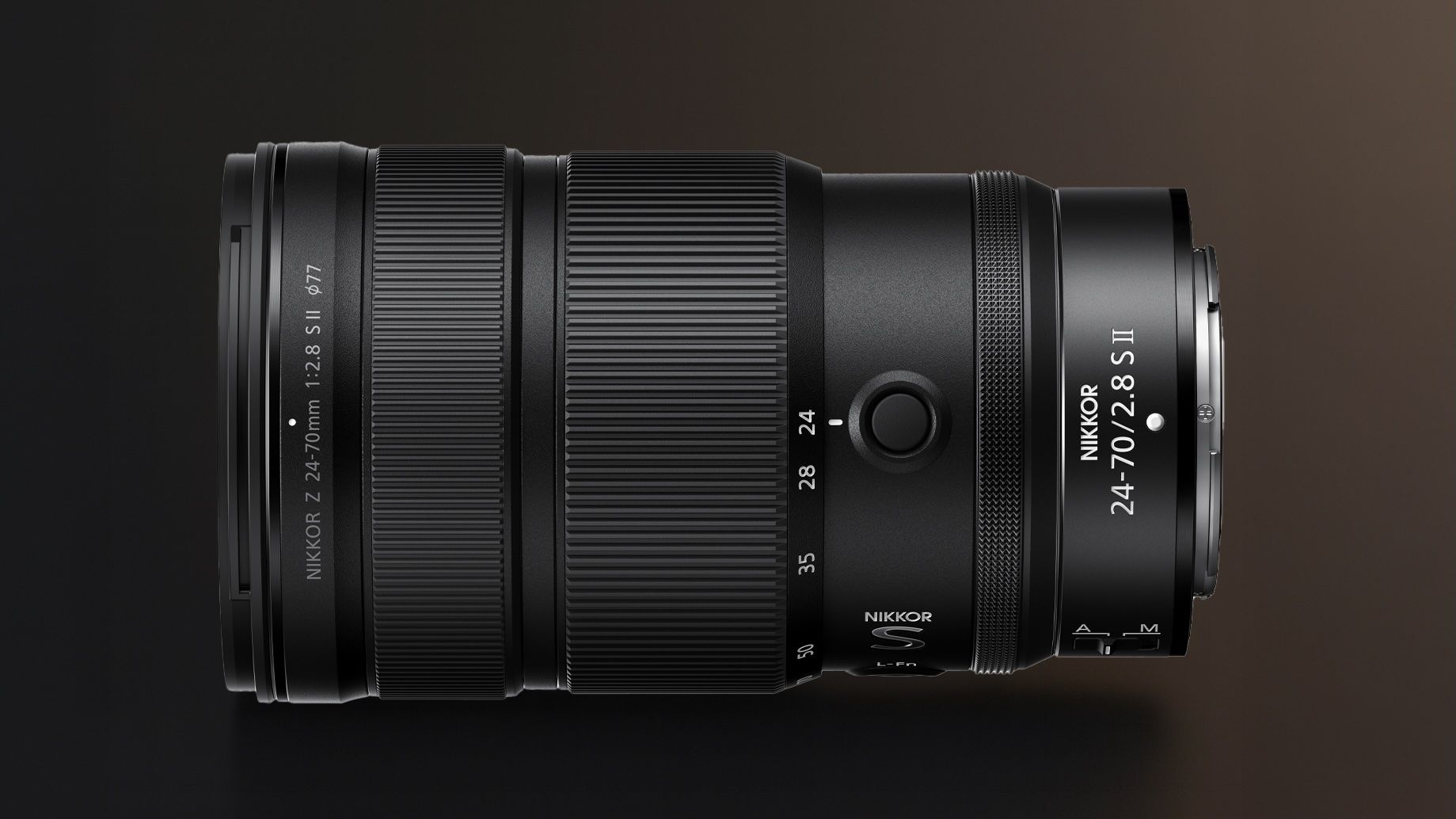
Introduction: Nikon has unveiled the NIKKOR Z 24-70mm f/2.8 S II, a second-generation update to its flagship standard zoom for Z-mount full-frame mirrorless cameras nikonusa.com nikonusa.com. This new lens is a workhorse aimed at professional photographers and hybrid shooters, delivering improvements in autofocus speed, optical design, and handling. Notably, Nikon claims it is the fastest-focusing and lightest lens in its class – outperforming rival 24–70mm f/2.8 zooms from Canon and Sony in weight and focusing speed nikon.com petapixel.com. In this report, we’ll explore the technical specifications, new features, build quality, and use cases of the NIKKOR Z 24-70mm f/2.8 S II. We’ll also include expert commentary and then compare Nikon’s latest offering directly with its major competitors: Canon’s RF 24-70mm f/2.8L IS USM and Sony’s FE 24-70mm f/2.8 GM II. We’ll highlight each lens’s strengths, weaknesses, pricing, performance, and design trade-offs, with source links to credible reviews and official data. The NIKKOR Z 24-70mm f/2.8 S II is a premium constant f/2.8 aperture zoom covering 24–70mm, a staple range for everything from wide-angle landscapes to portraiture. Nikon’s original Z 24-70mm f/2.8 S was already highly regarded – DxOMark dubbed it “the new benchmark” among 24-70mm lenses petapixel.com petapixel.com. The new
23 August 2025
Canon 90D vs Nikon D7500 vs Sony A6600: 2025 Ultimate APS-C Camera Showdown

Canon 90D vs 6D Mark II vs 5D Mark IV: The Ultimate 2025 DSLR Showdown

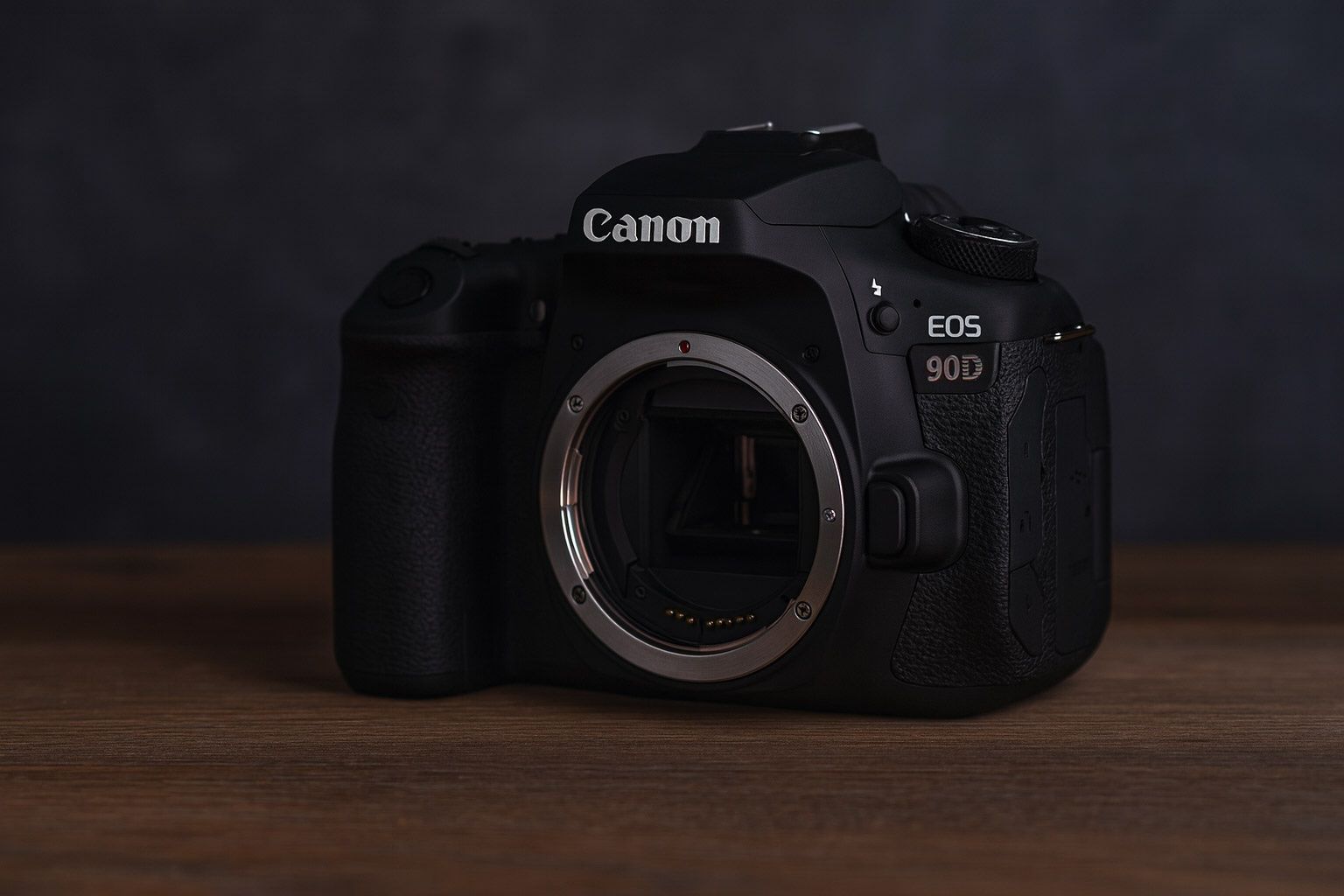
In an era dominated by mirrorless cameras, do Canon’s mid-2010s DSLRs still hold their own in 2025? Despite the mirrorless boom, DSLRs aren’t extinct yet – Canon’s EOS 90D, EOS 6D Mark II, and EOS 5D Mark IV remain on the market and continue to serve photographers with robust performance. This comprehensive comparison will evaluate these three popular DSLRs side-by-side, covering everything from image quality and video features to autofocus, build, battery life, lens ecosystems, pricing, and the impact of Canon’s mirrorless R-series on their future. By the end, you’ll know which model is the best fit for your needs – or whether it’s time to jump to mirrorless. Let’s start with a quick spec rundown comparing the APS-C sensor Canon EOS 90D against the full-frame EOS 6D Mark II and EOS 5D Mark IV:
21 August 2025
Canon’s APS-C Mirrorless Showdown: EOS R100 vs R50 vs R10 – Which Fits You Best?

Canon’s APS-C Mirrorless Showdown: EOS R100 vs R50 vs R10 – Which Fits You Best?

Canon’s move into mirrorless APS-C cameras has given us three budget-friendly EOS R models – the EOS R100, EOS R50, and EOS R10. All three share a 24MP APS-C sensor and the RF lens mount, but each targets a different kind of shooter. The R100 is Canon’s most affordable entry, essentially a mirrorless Rebel for first-timers upgrading from smartphones or aging DSLRs techradar.com techradar.com. The R50 sits just above it, a compact step-up model aimed at content creators and casual vloggers with more modern guts and user-friendly features fstoppers.com fstoppers.com. The R10, launched slightly earlier, is a mid-range enthusiast APS-C body – still lightweight and relatively affordable, but with extra speed, controls and versatility to lure hobbyists and even budding sports photographers digitalcameraworld.com digitalcameraworld.com. If you’re shopping for an easy-to-use mirrorless camera under $1000, these three will likely be on your radar. In this comparison, we’ll dig into specifications, photo/video capabilities, ergonomics, autofocus, connectivity, pricing, and real-world pros/cons of the R100, R50 and R10 as of August 2025. We’ll also summarize expert reviews and Canon’s broader APS-C strategy – including what might be coming next. By the end, you should know which camera is better suited for beginners, vloggers, hobbyists
20 August 2025
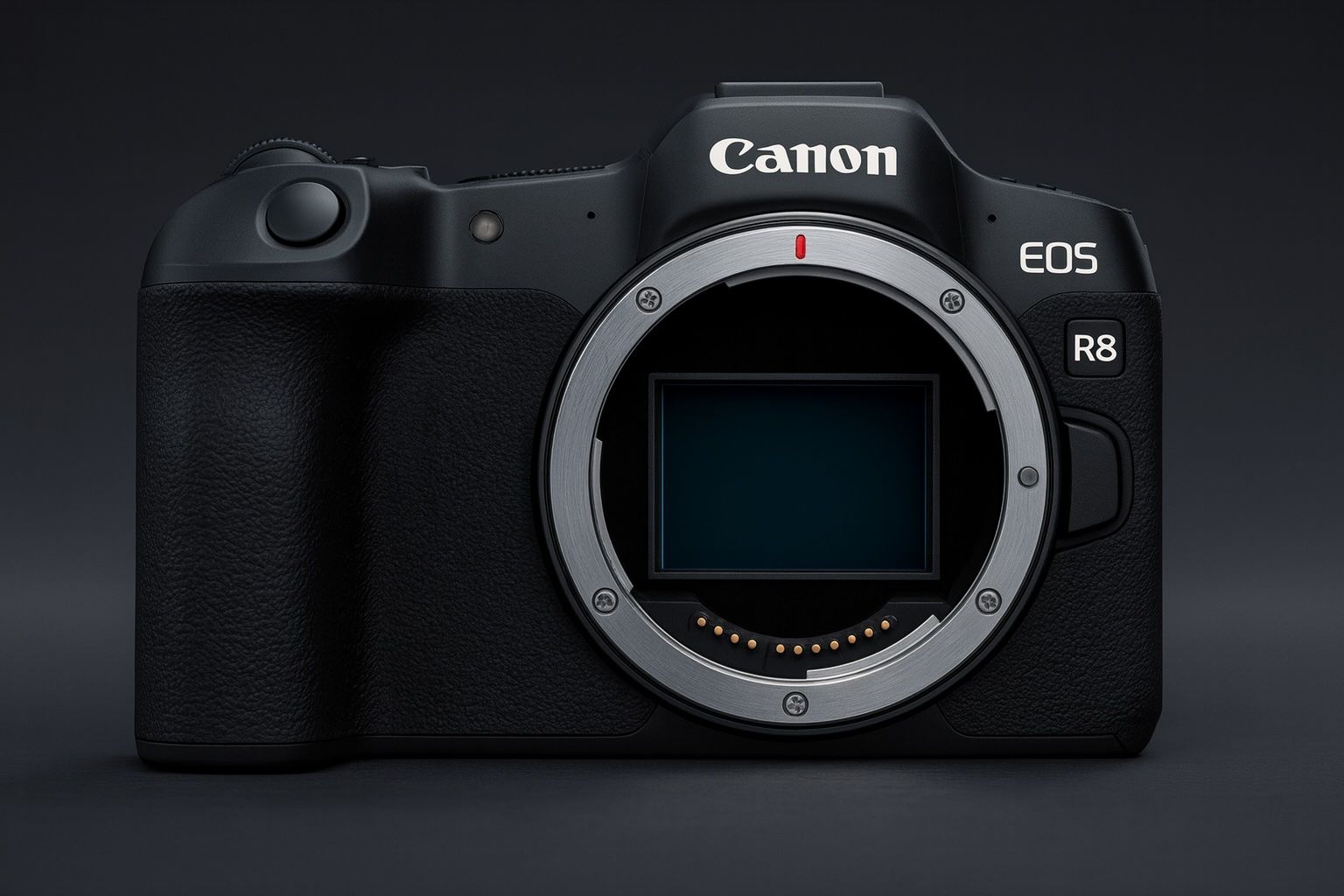
Canon EOS R7 vs R8 vs R6: The Ultimate 2025 Mirrorless Showdown

Canon EOS R7 vs R8 vs R6: The Ultimate 2025 Mirrorless Showdown

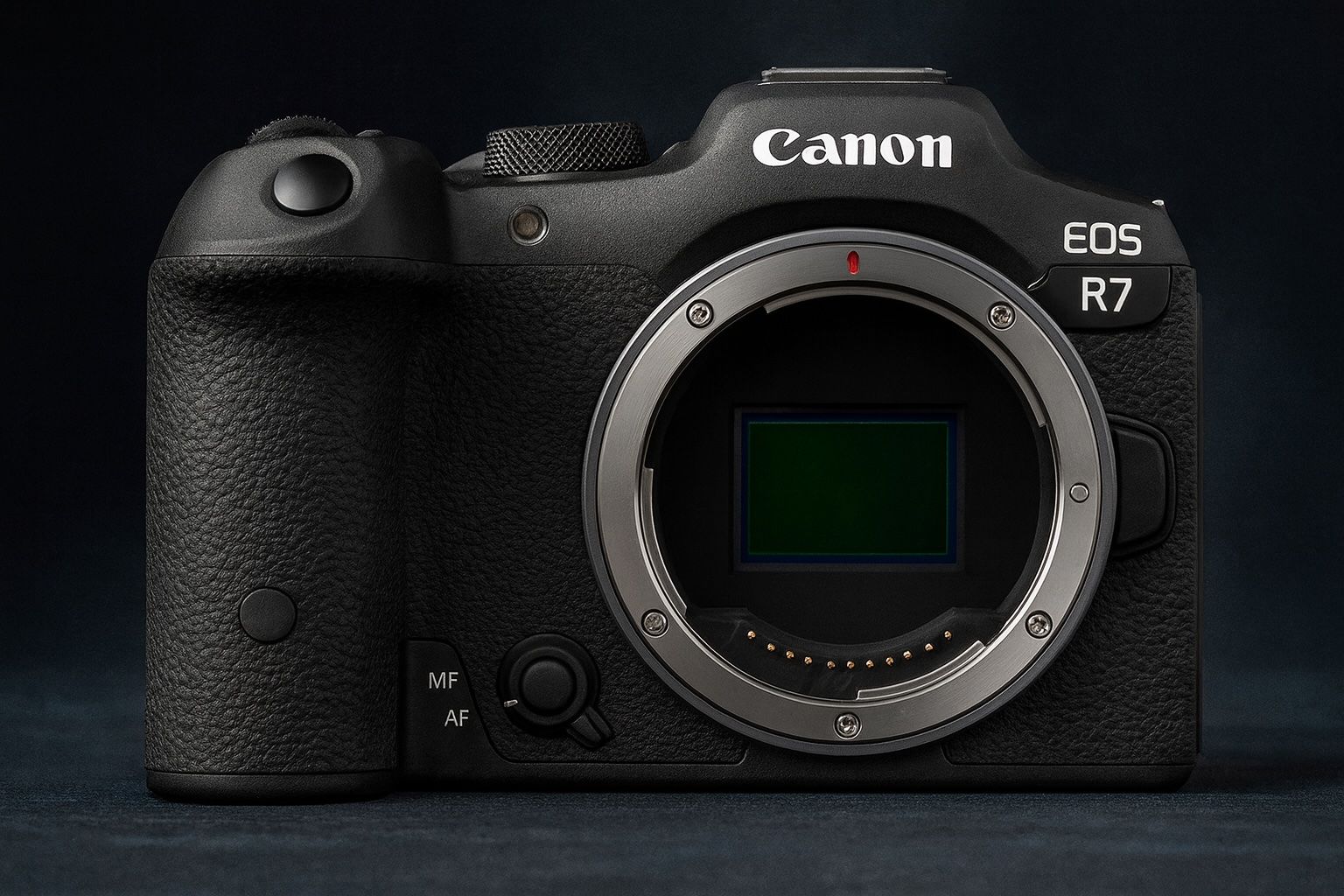
Introduction: In the crowded world of mirrorless cameras, Canon’s EOS R7, EOS R8, and EOS R6 have emerged as three compelling options in mid-2025. Each camera targets a different segment – the EOS R7 brings pro-level speed to an APS-C sensor, the EOS R8 offers full-frame quality in a compact body, and the EOS R6 delivers well-rounded performance with pro features. If you’re shopping for a Canon mirrorless camera this year, it’s critical to understand how these models compare on specs, performance, and suitability for your needs. This in-depth report will compare key specifications, discuss which camera is best for wildlife, sports, portraits, travel, vlogging, and hybrid use, highlight expert review opinions and current pricing, and even touch on Canon’s latest releases. By the end, you’ll know exactly which Canon R-series camera is right for you in 2025. Let’s start with a side-by-side look at the core specs of the Canon EOS R7, R8, and R6, followed by a breakdown of how those translate into real-world performance:
20 August 2025
Fujifilm X-S20 vs Canon EOS R50 V vs Nikon Z30 – The Ultimate 2025 Mirrorless Camera Showdown

Fujifilm X-S20 vs Canon EOS R50 V vs Nikon Z30 – The Ultimate 2025 Mirrorless Camera Showdown

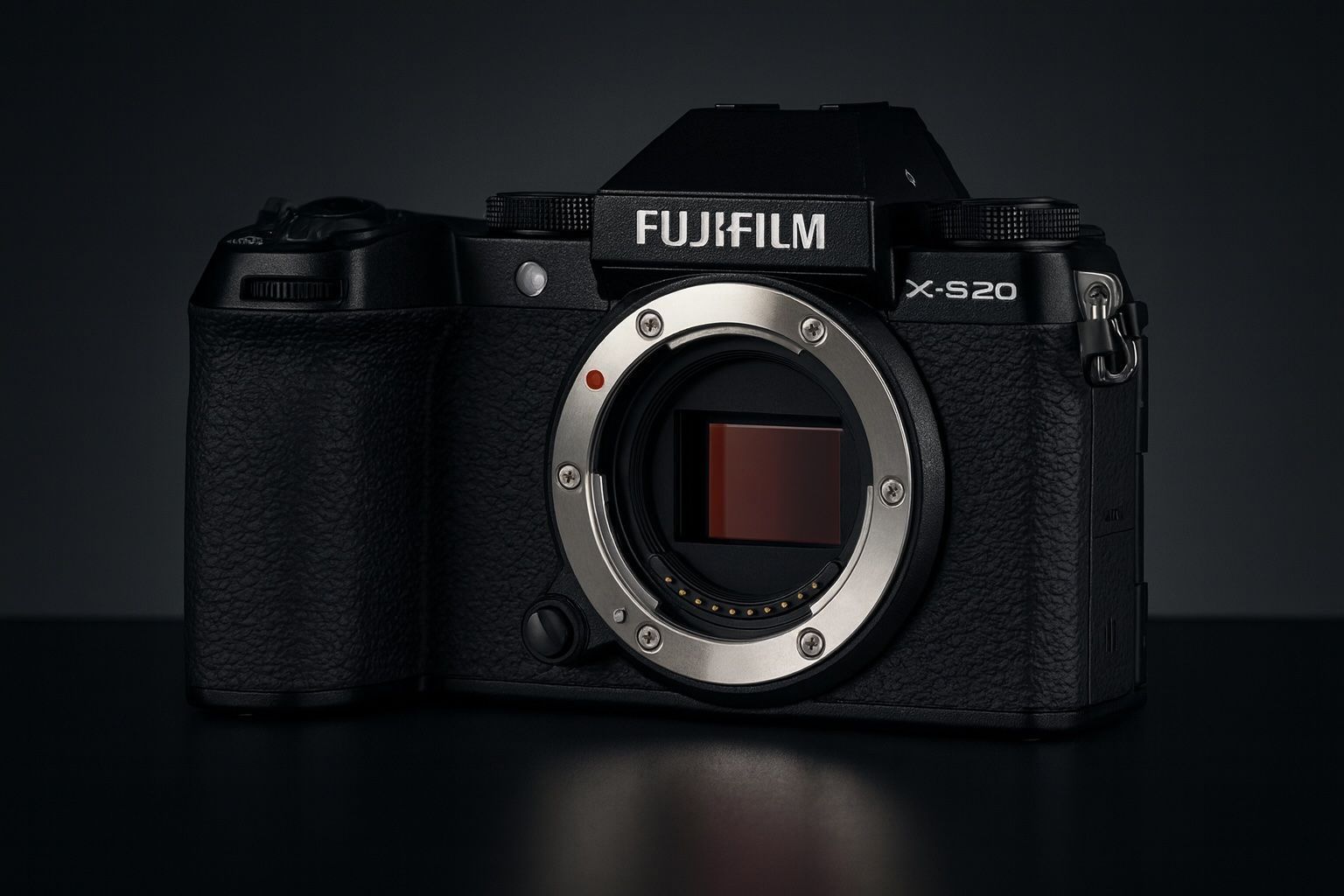
The Fujifilm X-S20, Canon EOS R50 V, and Nikon Z30 are three of the hottest mirrorless APS-C cameras on the market in 2025. Each targets photographers and content creators looking for a compact, affordable camera with serious capabilities. In this in-depth comparison, we’ll break down how these cameras stack up – from image quality and autofocus to video features, design, and value – and highlight what experts are saying. We’ll also touch on other new and upcoming models you should know about. Which camera comes out on top? Read on – the answer may surprise you! Fujifilm X-S20: Released in mid-2023, the X-S20 is the successor to Fuji’s popular X-S10. It’s a mid-range 26MP APS-C mirrorless camera that packs in-body image stabilization, 8 fps mechanical burst, and Fuji’s signature X-Trans sensor technology Petapixel Petapixel. Priced around $1,299 body-only at launch Apotelyt Apotelyt, the X-S20 targets enthusiast photographers and hybrid shooters who want strong stills and video performance in a compact body. It features a high-quality 2.36M-dot electronic viewfinder and Fuji’s extensive lineup of X-mount lenses. Reviewers have called the X-S20 one of the most compelling mid-range cameras, with excellent 7-stop IBIS and long battery life thanks to a new larger
Canon EOS R5 C vs R3 vs R6 Mark II – 2025’s Ultimate Mirrorless Showdown

Canon EOS R5 C vs R3 vs R6 Mark II – 2025’s Ultimate Mirrorless Showdown

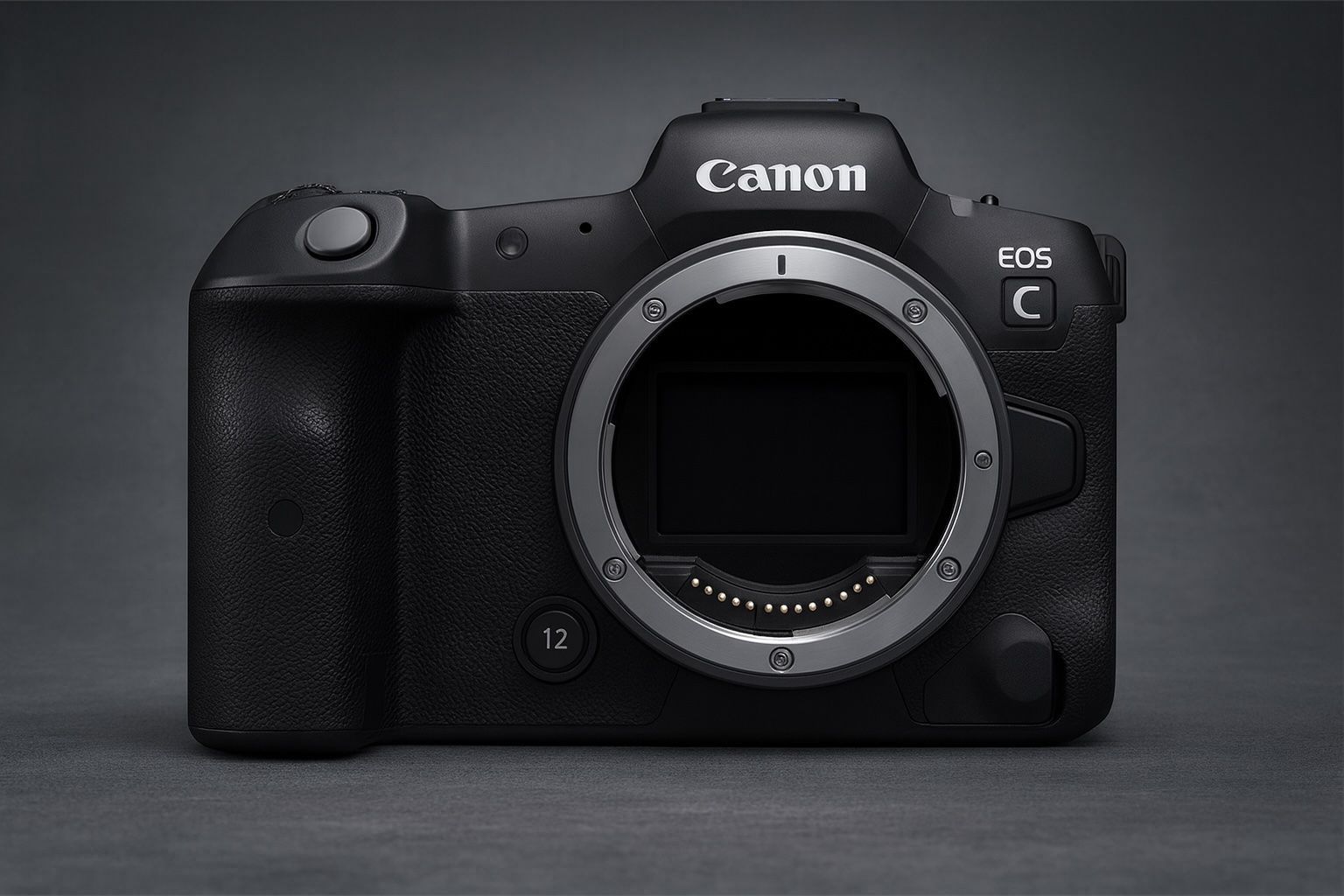
Canon’s mirrorless lineup has matured with powerhouse cameras for every niche. In this showdown, we compare three heavy-hitters – the Canon EOS R5 C, EOS R3, and EOS R6 Mark II – to see how they stack up in 2025. We’ll dive into full specs, real-world performance, autofocus and stabilization differences, who each camera is best suited for, value for money, lens ecosystem, the latest firmware updates, and even what new Canon models are on the horizon. Sensor and Resolution: The EOS R5 C inherits the 45MP full-frame sensor from the R5, delivering ultra-high resolution stills Canon Europe and detailed 8K video. In contrast, the EOS R3 uses a 24.1MP stacked, backside-illuminated CMOS sensor Canonrumors geared for speed. The R3’s lower resolution is intentional – Canon calls it “the ideal balance of image quality, high ISO performance and file size” Canon Europe for action shooters. The EOS R6 Mark II splits the difference with a 24.2MP full-frame sensor, although unlike the R3’s, it’s a standard CMOS Dpreview. All three use the latest DIGIC X processor for fast performance Canon Europe Canon Europe.
18 August 2025
Comparing the Canon EOS R8, EOS R7, and EOS R50 V (2025 Edition)

Mirrorless Showdown 2025: Canon EOS R8 vs Nikon Z5 II vs Sony A7 IV – Which Full-Frame Camera Wins?

If you’re shopping for a full-frame mirrorless camera in 2025, three names are likely on your radar: the Canon EOS R8, Nikon Z5 II, and Sony A7 IV. These models represent the prosumer tier of their respective brands – promising high-end image quality without the flagship price tags. In this in-depth comparison, we’ll break down specifications, features, and real-world performance in photography and video. We’ll examine autofocus systems, sensor technology, ISO ranges, burst rates, and lens ecosystems, along with build quality, ergonomics, battery life, and user interface. To give you the full picture, we’ll also highlight expert reviews and user feedback, pricing and value for money, and each camera’s availability as of August 2025. Finally, we’ll peek at the upcoming models and rumors from Canon, Nikon, and Sony that could soon challenge or succeed these cameras. Let’s dive into the ultimate full-frame mirrorless showdown of Canon R8 vs Nikon Z5 II vs Sony A7 IV!
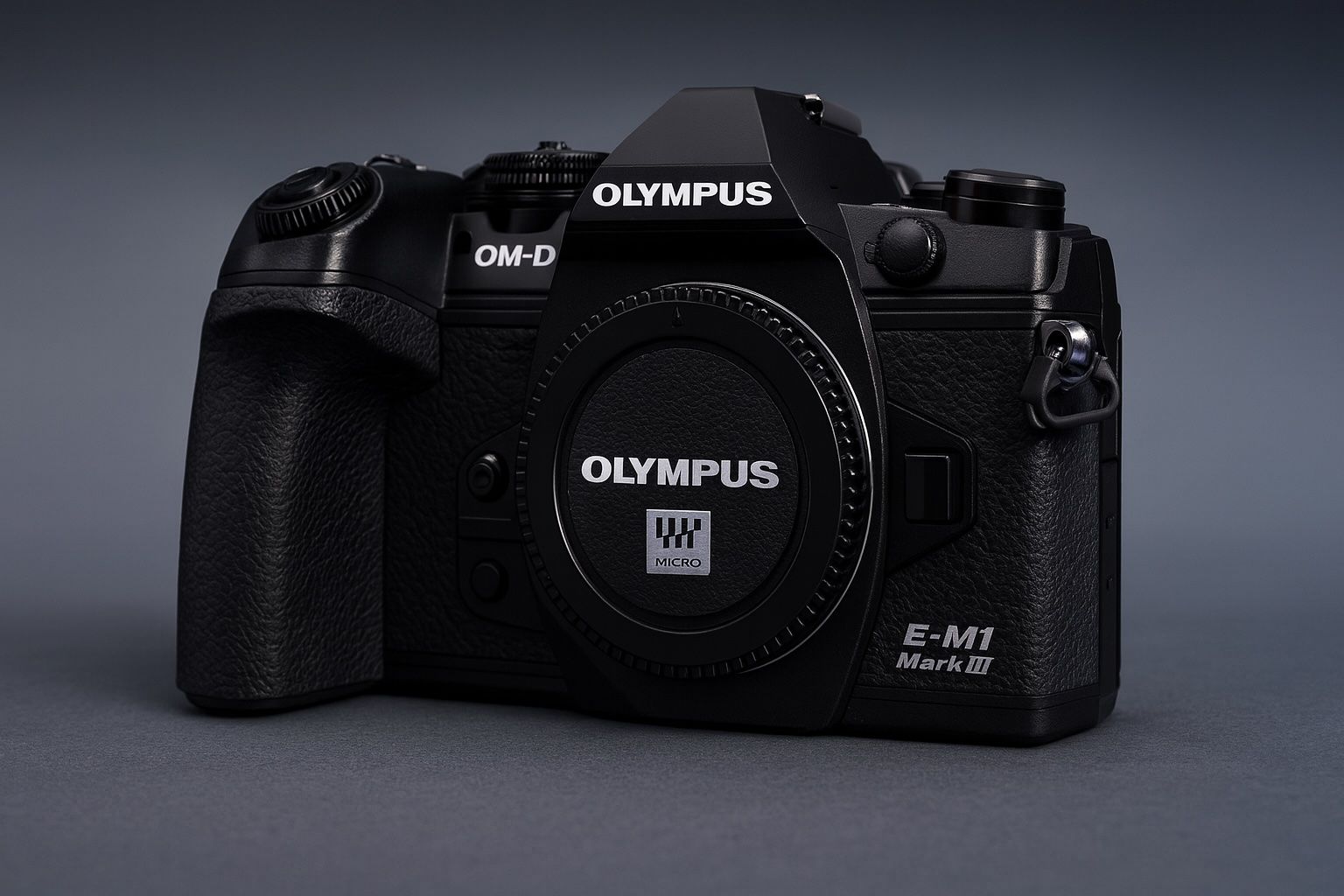
Mirrorless Camera Showdown: Olympus E-M1 III vs Canon M6 II vs Fujifilm X-S20 – The Winner Will Surprise You

Mirrorless Camera Showdown: Olympus E-M1 III vs Canon M6 II vs Fujifilm X-S20 – The Winner Will Surprise You

Mirrorless cameras have taken over the photography world, offering DSLR-level power in compact bodies. Three standout options – the Olympus OM-D E-M1 Mark III, Canon EOS M6 Mark II, and Fujifilm X-S20 – each promise big performance in small packages. In this deep-dive comparison, we’ll pit these popular mirrorless models against each other. We’ll cover full technical specs, real-world performance, handling and ergonomics, video chops, expert and user opinions, pricing across markets, the latest news, and finally give a verdict on which camera is best for different types of users. Buckle up for an in-depth battle – the results may surprise you! Olympus OM-D E-M1 Mark III: This pro-grade Micro Four Thirds body packs a 20.4MP Live MOS sensor paired with a new TruePic IX processor. It features in-body 5-axis stabilization rated up to a jaw-dropping 7.5 stops and a blazing electronic shutter up to 1/32000s. Continuous shooting reaches 60 fps or ~18 fps with continuous AF. The 121-point on-sensor phase-detect AF system has cross-type points across the frame for fast focusing. The E-M1 III has a high-res 2.36M-dot EVF, dual SD card slots, and a rugged weather-sealed magnesium body. It’s fairly compact for a pro body at ~134×91×69 mm
17 August 2025
Comparing the Canon EOS R8, EOS R7, and EOS R50 V (2025 Edition)

Comparing the Canon EOS R8, EOS R7, and EOS R50 V (2025 Edition)

Canon’s EOS R8, EOS R7, and EOS R50 V represent three distinct offerings in Canon’s mirrorless lineup as of mid-2025. The EOS R8 is an entry-level full-frame model, the EOS R7 is a high-end APS-C camera aimed at enthusiasts, and the EOS R50 V is a video-centric APS-C camera tailored for vloggers and content creators. This report provides a comprehensive comparison, including full specifications, real-world performance insights, pros and cons, target users, current pricing/availability, recent firmware updates, expert opinions, and an outlook on upcoming Canon mirrorless models. To start, here is a side-by-side specification comparison of the Canon EOS R8, EOS R7, and EOS R50 V:
16 August 2025
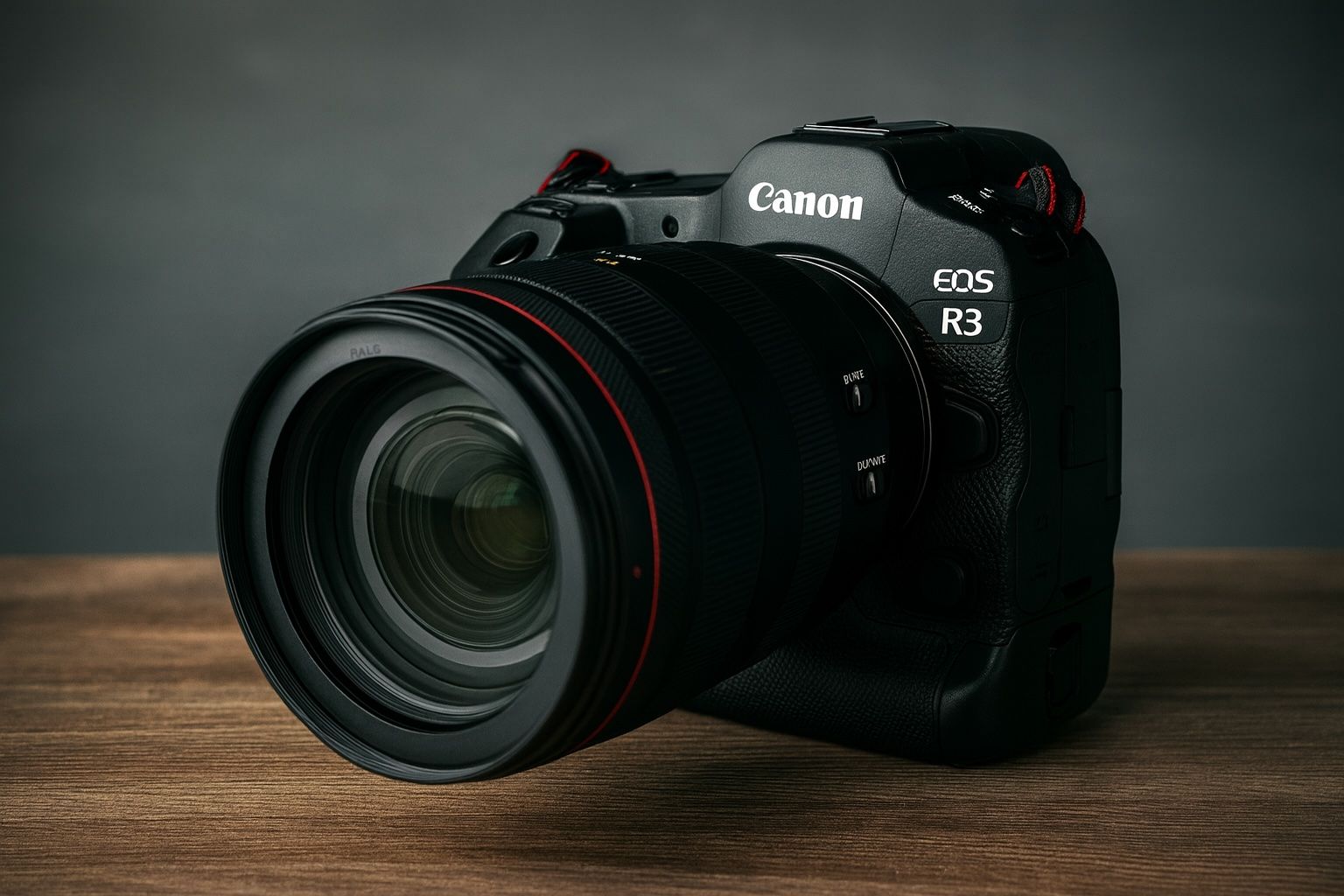
Mirrorless Titans Showdown: Canon EOS R3 vs Nikon Z9 vs Sony A1 Mark II – Which Pro Camera Reigns Supreme in 2025?

Mirrorless Titans Showdown: Canon EOS R3 vs Nikon Z9 vs Sony A1 Mark II – Which Pro Camera Reigns Supreme in 2025?

In the realm of professional mirrorless cameras, three flagship models dominate the conversation in 2025: Canon’s EOS R3, Nikon’s Z9, and Sony’s Alpha 1 Mark II. These “mirrorless titans” are built for speed, power, and versatility, targeting sports shooters, wildlife photographers, and high-end content creators. Each brings cutting-edge technology – from ultra-fast stacked sensors to advanced AI autofocus – in a rugged package designed for professionals. In this comprehensive comparison, we’ll dive into photography performance, video capabilities, autofocus prowess, burst speed, ergonomics, durability, battery life, connectivity, and lens ecosystems. We’ll also examine how each camera shines in real-world use cases like sports, wildlife, weddings, studio, and landscape work. Along the way, we include insights from expert reviews and recent firmware updates, plus a peek at future developments that are on the horizon. Let’s see which of these flagship cameras comes out on top – and more importantly, which one might be the best fit for your professional needs. Canon EOS R3: The R3 uses a 24.1-megapixel stacked CMOS sensor – notably lower resolution than its rivals. While 24MP may seem modest, this sensor delivers excellent image quality with “lots of fine detail, excellent colors” and superb high ISO performance imaging-resource.com.
15 August 2025
Canon 90D vs Nikon D7500 vs Sony A6600: 2025 Ultimate APS-C Camera Showdown

Canon 90D vs Nikon D7500 vs Sony A6600: 2025 Ultimate APS-C Camera Showdown

Can a mid-range DSLR from 2019 still hold its own against a modern mirrorless? In this comprehensive comparison, we pit the Canon EOS 90D, Nikon D7500, and Sony A6600 against each other across image quality, autofocus, burst shooting, video prowess, stabilization, ergonomics, lenses, battery life, and more. All three are highly regarded APS-C cameras aimed at enthusiast photographers, but they represent two worlds – the Canon and Nikon are DSLRs, while the Sony is a mirrorless. As of August 2025, we’ll also examine recent developments and what experts say about each. Let’s dive into the shootout and see which camera offers the best value today. When it comes to sensor specs, these cameras take different approaches. The Canon 90D boasts a 32.5 megapixel APS-C sensor – the highest resolution ever in a Canon crop DSLR. This yields exceptional fine detail capture and flexibility for cropping or large prints. At low ISOs, 90D images show “lots of detail, pleasing colors and decent dynamic range”. However, Canon equipped it with an optical low-pass filter to prevent moiré, which means not all that resolution translates into detail – “we just don’t see as much resolution…as we’d hoped”, notes Imaging-Resource. Also, cramming 32.5MP on
Astrophotography Showdown: Sony A7 IV vs Canon EOS Ra vs Nikon D810A – Which Captures the Cosmos Best?

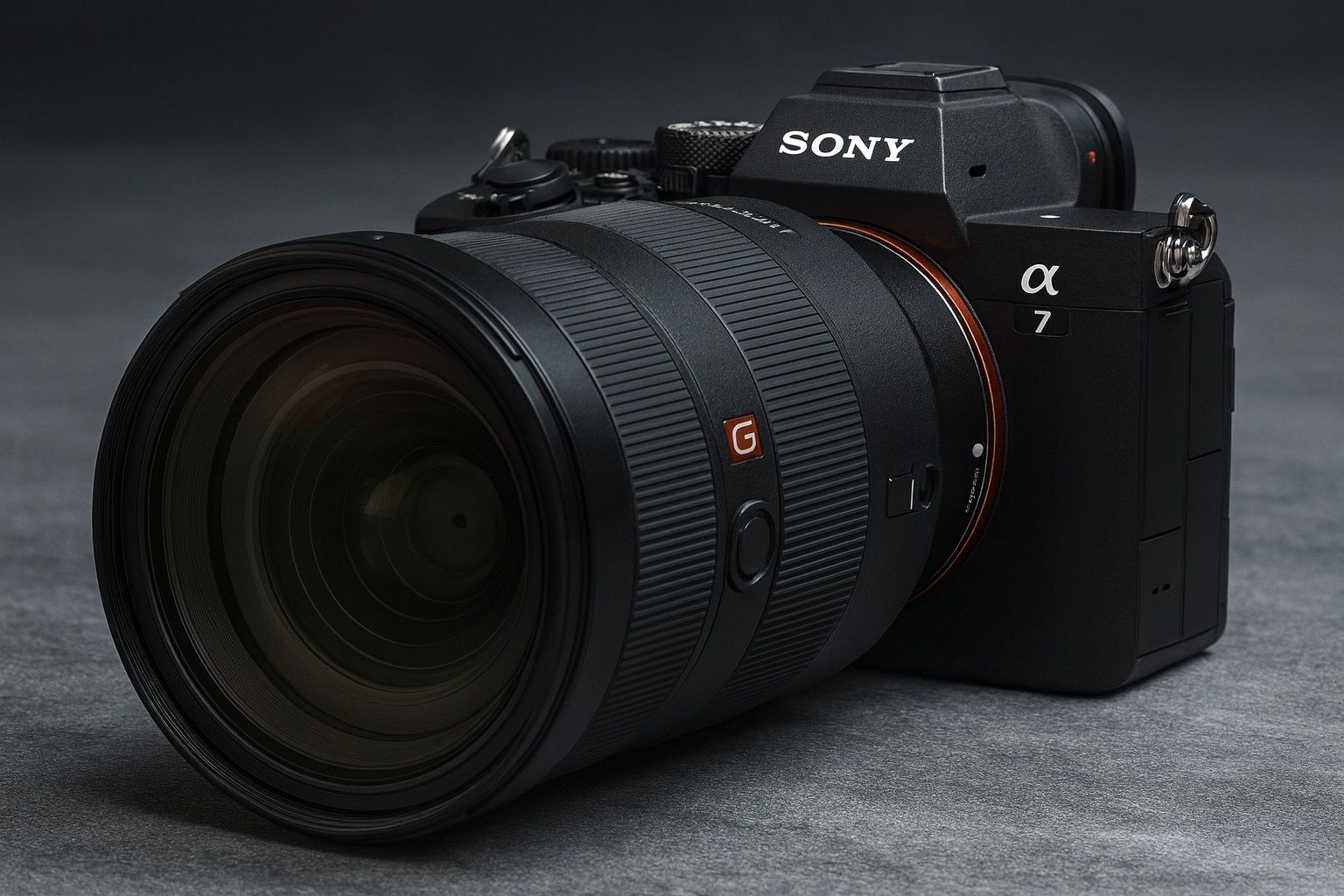
Mirrorless Showdown: Sony A7 IV vs Nikon Z8 vs Canon R6 Mark II – The Ultimate Full-Frame Face-Off

The Sony A7 IV, Nikon Z8, and Canon EOS R6 Mark II are three of the hottest full-frame mirrorless cameras on the market, each representing its brand’s cutting-edge tech for hybrid shooters. In this comprehensive comparison, we’ll pit these mirrorless monsters against each other in sensor specs and image quality, autofocus, video capabilities, build and ergonomics, viewfinders and displays, battery life, lens ecosystems, price/value, and more. We’ll also highlight what the experts have to say, and even peek at rumored successors like the Sony A7 V, Canon R6 Mark III, and Nikon Z7 III. Which camera comes out on top in this full-frame face-off? Read on to find out! Resolution and Sensor Tech: The Nikon Z8 packs the highest resolution sensor here – a 45.7-megapixel stacked BSI CMOS chip inherited from the flagship Z9. This stacked sensor design gives the Z8 ultra-fast readout at base ISO 64, delivering D850-level dynamic range dpreview.com. The Sony A7 IV strikes a balance with a 33MP BSI CMOS sensor and standard ISO 100 base. Canon’s EOS R6 Mark II uses a 24.2MP CMOS – a bump up from the original R6’s 20MP, aiming for the current 24MP sweet spot. In practice, all three sensors
13 August 2025
Astrophotography Showdown: Sony A7 IV vs Canon EOS Ra vs Nikon D810A – Which Captures the Cosmos Best?

Astrophotography Showdown: Sony A7 IV vs Canon EOS Ra vs Nikon D810A – Which Captures the Cosmos Best?

Astrophotography pushes camera gear to its limits, demanding exceptional low-light sensitivity, long exposure performance, and specialized features to capture the wonders of the night sky. In this showdown, we compare three heavy hitters – Sony’s modern Alpha 7 IV, Canon’s dedicated EOS Ra, and Nikon’s legendary D810A – to see which camera shines brightest for photographing stars, nebulae, and planets. We’ll dive into sensor performance, high-ISO noise, H-alpha sensitivity, thermal noise, usability in the field, battery life, lens ecosystems, focusing aids, dynamic range, and accessory compatibility. We’ll also sprinkle in expert opinions and real user experiences, plus up-to-date pricing and the outlook in 2025. Whether you’re aiming for pin-sharp Milky Way vistas or detailed deep-sky nebulae, read on to find out which of these cameras is the ultimate tool for capturing the cosmos. All three cameras are full-frame format, but their sensors take different approaches. The Sony A7 IV sports a 33-megapixel back-illuminated CMOS sensor – a high-resolution, general-purpose chip launched in 2021. Despite the resolution, testers were “in complete disbelief” at how clean its high-ISO images were – even ISO 12,800 exposures showed remarkably little noise alphauniverse.com. In fact, the A7 IV’s low-light performance has been compared to Sony’s
10 August 2025
Astrophotography’s Next-Gen Gear Wars (2025–2026): Ultimate Cosmic Camera Showdown

Astrophotography’s Next-Gen Gear Wars (2025–2026): Ultimate Cosmic Camera Showdown

Astrophotography is entering a golden age of innovation. From advanced mirrorless cameras with night-vision modes to AI-powered smart telescopes and ultra-precision mounts, the latest gear of 2025 and 2026 is revolutionizing how we capture the cosmos. In this in-depth comparison, we break down the new and upcoming astrophotography devices – both consumer and professional – including cameras, dedicated astro sensors, smart/all-in-one telescopes, mounts, and even software tools. Whether you’re a beginner stargazer or a seasoned astro-imager, these cutting-edge tools promise sharper images, easier workflows, and more breathtaking views of the universe. 🚀✨ Modern mirrorless and DSLR cameras have upped their game for night photography, offering large sensors, low-noise performance, and even astro-specific features. Here are the standout models lighting up the night sky in 2025–2026:

Stock Market Today

  • Shrem InvIT promoter group cuts stake, sells ₹50.66 crore of units on NSE
    June 29, 2026, 11:16 PM EDT. Satish Venture(S) Global LLP, linked to Shrem InvIT's promoter group, offloaded 45 lakh units on the NSE last week, booking ₹50.66 crore. Shrem Infra Investment Manager said the sales took place on June 25 and June 29 through on-market deals. The stake dropped to 3.97%, down from 4.71%, with Satish Venture holding 2.43 crore units after the selloff. Sale figures don't include taxes and brokerage. The disclosures come as per SEBI insider trading rules.
Go toTop