
New York, April 19, 2026, 09:46 (EDT)
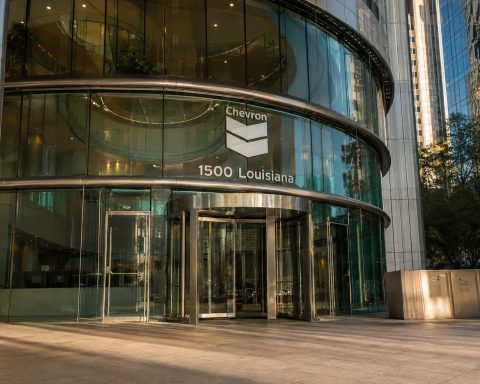
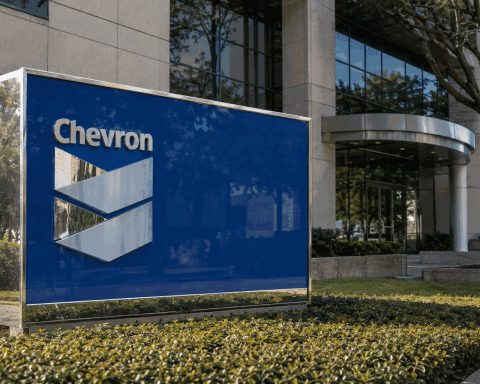
Chevron shares slipped Friday, dragged down as crude dropped when Iran temporarily reopened the Strait of Hormuz. By Sunday, though, things got tricky again—shipping had stalled once more in the waterway, according to Reuters.
That’s where investors will find themselves when U.S. markets open Monday. Chevron tumbled Friday as traders quickly ditched the oil war premium—pricing in less risk to crude supply—but fresh headlines out of the Gulf suggest that threat isn’t gone yet.
Chevron shares ended Friday at $183.99, slipping from Thursday’s $188.15 close after dropping as low as $177.74 during the session. Trading volume climbed to 15.7 million shares, according to Chevron’s own historical price table, up sharply from 8.0 million seen the day before.
Oil markets took a sharp turn lower. Brent crude slid $9.01, or 9.07%, closing at $90.38 a barrel on Friday. U.S. West Texas Intermediate crude dropped even harder—down $10.48, or 11.45%, to $83.85. Reuters pointed out it was the steepest single-day loss for both contracts since April 8, after Iran allowed commercial ships passage through Hormuz for the rest of the ceasefire.
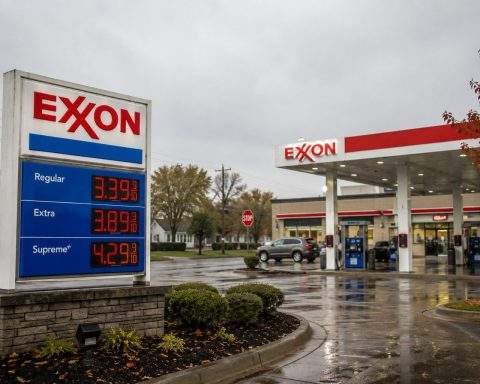
Elsewhere, the S&P 500 and Nasdaq notched new record closes Friday. The Dow climbed 1.79%. Energy shares missed out, with the S&P 500’s energy sector off 2.9%. According to Reuters, Exxon Mobil lost 3.6% and Chevron slipped 2.2%, the second- and third-biggest drags on the index that day.
Cheaper oil tends to benefit airlines, cruise operators, and other heavy fuel consumers. But for integrated producers like Chevron, the drop in crude prices lands straight on upstream profits—even if their refining or trading divisions cushion the blow a bit.
Crossmark CEO Bob Doll pointed out Friday that a U.S.-Iran deal hadn’t been signed yet, but said the direction was “enough for the market to go up.” Erik Bethel, general partner at Mare Liberum, flagged “astronomical war-risk insurance premiums” for ship operators, along with mines and murky enforcement. That insurance covers travel through conflict zones. Reuters
By Sunday, those warnings had turned real. Reuters said Iran scrapped Friday’s plan to reopen after Trump wouldn’t lift the U.S. blockade on Iranian shipping. At least two ships reported coming under fire near the strait; marine traffic data showed nothing moving through after Saturday.
Chevron stock isn’t out of the woods. Another Strait of Hormuz closure would likely push crude higher—good news for oil producers’ top lines—but it brings the risk of shipping slowdowns, production stoppages in the Gulf, and renewed inflation. Now, if negotiations actually lead to the strait reopening for good, oil loses more of its war premium, which could keep shares of Chevron and Exxon under the gun.
According to a report from The Motley Fool on Yahoo Finance, traders Friday reacted to comments from Iran’s foreign minister confirming the strait was open for commercial shipping, sending oil price expectations lower. Chevron shares tumbled as much as 7% at one point in the morning, though they clawed back some ground later in the session.
MarketBeat, in a Friday piece, connected Chevron’s slide to weaker oil and heavier-than-usual volume. Shares dropped 2.2%, touched $177.74 at the low, and trading ran roughly 20% above typical levels. Even so, analysts were still mostly upbeat on the stock, according to the same report, though that didn’t slow the near-term selling.
One more edge for the Europeans: Reuters notes BP and Shell run bigger, more sophisticated trading desks, raking in gains off volatile markets. U.S. counterparts Chevron and Exxon, on the other hand, mostly trade to fine-tune their own supply chains—production, refining, retail. Chevron also pointed out hedging could drag down after-tax earnings by $2.7 billion to $3.7 billion, though it expects those timing effects to reverse down the line.
Monday brings a different setup for Chevron holders. Friday’s oil tumble is old news—now, it’s about whether traders are convinced the Strait of Hormuz is back open, shutting down once more, or stuck in an unpredictable cycle that leaves energy stocks swinging with every headline.
Related articles: NYSE:CVX