
New York, June 10, 2026, 05:55 EDT
- ChowChow Cloud International Holdings Limited, ticker CHOW, showed a premarket gain of more than 200% on heavy volume in early Wednesday trading.
- The move was not paired with a fresh operating update; the latest major SEC annual filing was the company’s May 15 Form 20-F.
- CHOW remains highly speculative: the company reported higher 2025 revenue but a net loss, negative operating cash flow and pending litigation.
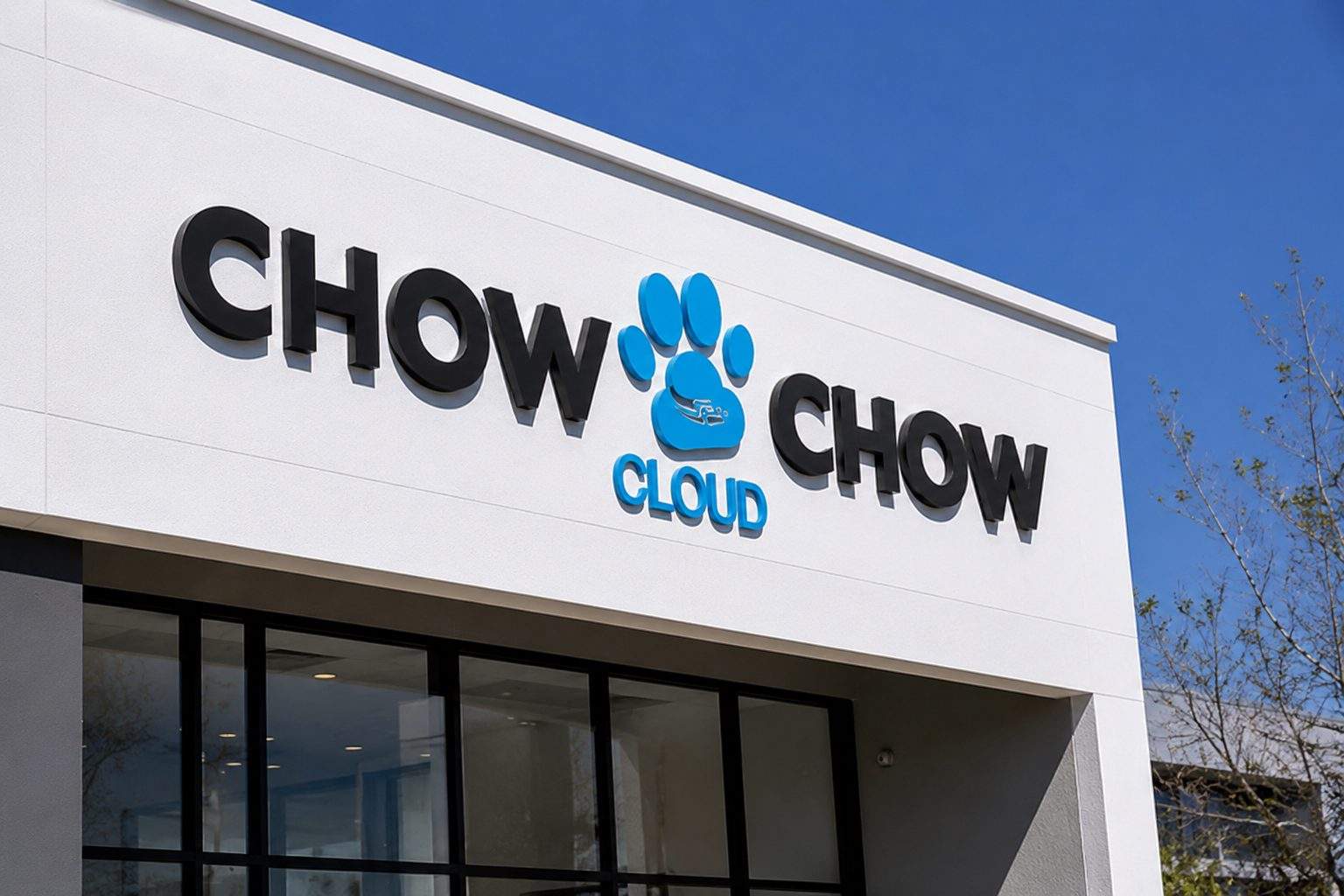
ChowChow Cloud International Holdings Limited shares became one of Wednesday’s loudest premarket movers, with CHOW quoted around $1.10 before the open, up about 215%, on premarket volume of roughly 45.3 million shares. That is the number investors care about today: not a new contract or earnings release, but a sudden burst of trading in a thin, volatile cloud-services stock that had last been shown around $0.3494 in regular-session data.
Another premarket tracker put the move even higher, showing CHOW up 232% at $1.16 with more than 52.7 million shares traded before the bell. Premarket trading means buying and selling before the main U.S. session opens at 9:30 a.m. New York time; it can move sharply because liquidity is usually thinner than during regular hours.
The immediate driver appears to be trading momentum itself. Google Finance’s latest market card showed CHOW’s recent session volume at 49.55 million shares against average volume of 778,100, with a $0.27–$0.37 intraday range and a market capitalization near $12.2 million. That gap between normal activity and current volume is why the stock is attracting attention before the opening bell.
What has not changed, at least in verified filings, is the company’s disclosed business story. ChowChow Cloud’s latest annual report says it operates through Sereno Cloud Solution HK Limited in Hong Kong, providing professional IT services, AI-powered cloud managed services and IT infrastructure solutions. AI, or artificial intelligence, refers to software systems used to automate tasks such as monitoring and optimizing cloud environments.
The company’s financials give traders a mixed picture. Revenue rose to HK$251.2 million, or about $32.2 million, in 2025 from HK$181.8 million in 2024. But ChowChow swung to a net loss of HK$23.6 million, about $3.0 million, after selling and marketing expenses rose sharply and general and administrative costs increased. A net loss means expenses exceeded income for the period.
Cash is another reason the move is being watched closely. ChowChow reported HK$21.6 million, or about $2.77 million, in cash and equivalents at the end of 2025, while operating activities used HK$56.6 million in cash during the year. Operating cash flow shows whether the core business is generating cash before financing and investing items; negative operating cash flow can make a small company more dependent on outside funding or sharp improvements in collections.
The stock’s history is part of the setup. ChowChow completed its U.S. IPO on September 17, 2025, selling 2.99 million ordinary shares at $4 each for gross proceeds of $11.96 million. Wednesday’s premarket quote above $1 is still far below that IPO price, while Google Finance lists a 52-week high of $21.91 and a 52-week low of $0.27, underscoring how extreme the trading range has been.
Investors have seen unusual trading before. In a December 2025 Form 6-K, ChowChow said it had become aware of unusual trading activity in its stock on NYSE American and filed what it described as a “no-news” statement under the exchange’s company guide. The filing was signed by Yee Kar Wing, chairman and chief executive officer.
There is also legal overhang. The company’s 20-F disclosed a U.S. shareholder class action filed in March 2026 in the Southern District of New York alleging false and misleading statements concerning, among other matters, the company’s business, operations and the true nature of trading activity in its securities. The company said it intends to seek dismissal of an amended complaint when filed and to vigorously defend the action.
The risk is straightforward: a premarket spike without a verified operating catalyst can reverse quickly, especially in a low-priced stock with a small market value and a history of violent swings. The fundamental backdrop is not one-way bullish either; ChowChow’s 2025 revenue grew, but losses, negative operating cash flow, receivables growth and litigation could matter again once the trading burst fades.
The next test is whether the premarket surge holds after the U.S. open, when deeper liquidity and exchange oversight usually give a clearer read on demand. Any new filing from ChowChow or a NYSE American unusual-market-action notice would become the real catalyst to watch.
Related articles: Stock Market