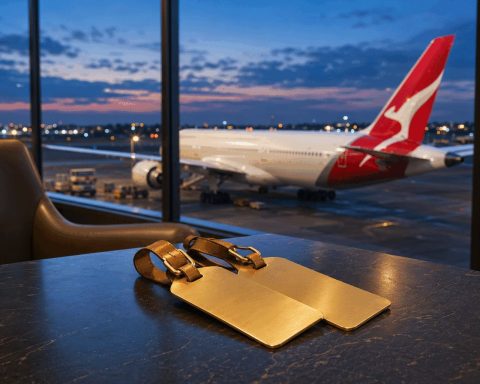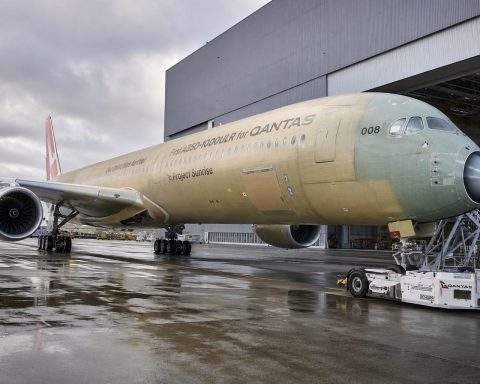

Christmas Day travel across Australia and Aotearoa New Zealand has come with an unwelcome extra: widespread flight delays, scattered cancellations, and packed terminals as airlines try to keep holiday schedules moving amid tight capacity and volatile summer weather. Flight-tracking figures cited by travel media show hundreds of delays across the three biggest east-coast hubs alone, while regional reporting across the Tasman points to broader network pressure stretching beyond the main capitals.
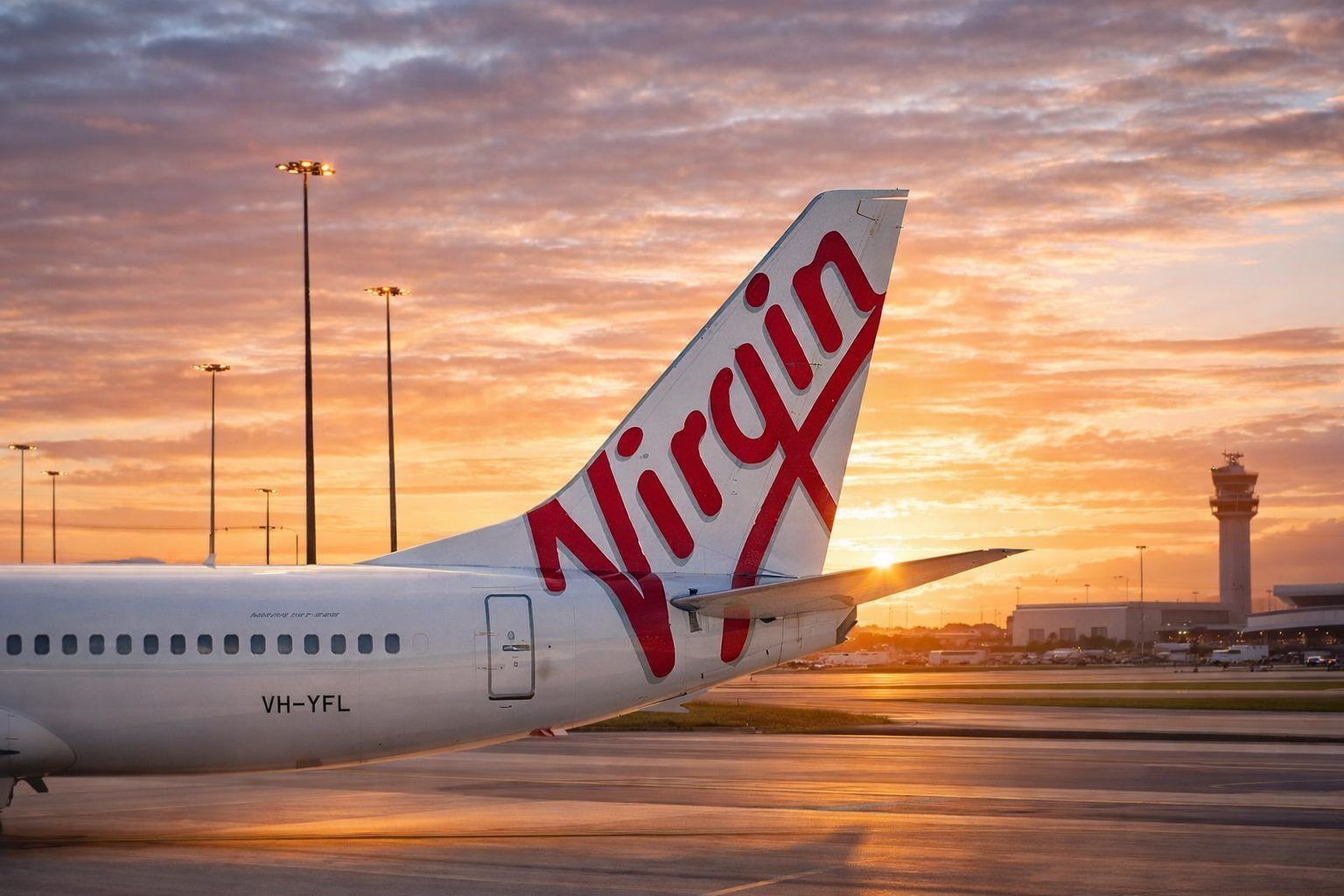
At the same time, many travellers already looking beyond this week’s chaos have another headline to consider: Virgin Australia is pushing a major Boxing Day sale window starting December 26, with advertised fares from $49 on selected routes—an eye-catching pitch for 2026 travel planning in the middle of an already intense peak season.
Sydney, Brisbane and Melbourne hit by dozens of cancellations and hundreds of delays
On Thursday, December 25, flight disruption was concentrated at Sydney Airport (SYD), Brisbane Airport (BNE) and Melbourne Tullamarine (MEL)—three hubs where even minor disruption can ripple nationwide.
According to flight-tracking data referenced by Travel And Tour World (sourced from FlightAware), Sydney recorded 16 cancellations and 178 delays. Brisbane logged 11 cancellations and 232 delays, while Melbourne saw 11 cancellations and 214 delays—a combined 38 cancellations and 624 delays across the three airports.
Those figures matter because Sydney, Brisbane and Melbourne are not just endpoints; they are connection engines. When gates clog and aircraft rotate late, delays cascade through inbound aircraft, crew rostering, baggage systems, and onward connections—turning a late morning departure into a late afternoon problem across multiple cities.
Which airlines were most affected on Christmas Day?
The same FlightAware-based breakdown reported by Travel And Tour World singled out two carriers as heavily impacted in the day’s disruption pattern: Jetstar (higher cancellation counts) and Virgin Australia (high delay volumes, fewer cancellations).
- Jetstar was reported with 13 cancellations and 49 delays in Sydney, 10 cancellations and 44 delays in Brisbane, and 9 cancellations and 73 delays in Melbourne.
- Virgin Australia was reported with 3 cancellations and 55 delays in Sydney, 1 cancellation and 57 delays in Brisbane, and 2 cancellations and 55 delays in Melbourne.
The same report noted that delays were also being experienced by other airlines, including Air New Zealand, Qantas and QantasLink, among others—underscoring that this wasn’t confined to a single operator.
Why Christmas travel gets fragile fast: weather + full schedules + limited spare aircraft
If this week feels like it has less “give” than in past years, that impression is grounded in how modern airline networks run during peak periods: planes and crews are scheduled tightly, load factors are high, and spare aircraft are limited.
Pacific Media Network (PMN) reported that across the wider region—spanning major airports in Sydney, Melbourne, Brisbane, Perth and Adelaide—there were more than 1,000 delays and around 30 cancellations reported (based on flight-tracking data cited by international travel media). PMN also flagged Brisbane as a particular pressure point, citing severe thunderstorms and heavy rain across Queensland contributing to knock-on delays nationwide.
Queensland’s weather outlook on Christmas added to that risk profile. The Bureau of Meteorology’s senior forecaster Miriam Bradbury told ABC that Christmas Day could bring “severe thunderstorms and heavy, locally intense rainfall” in parts of the state, with a flood watch in place over western and north-western Queensland. ABC
And even when an airport remains open, storms can still slow everything down. Brisbane Airport’s own guidance is blunt: the airport doesn’t close during storms, but runway and apron operations may be slowed, especially when lightning is within a defined range—pausing services like baggage handling, refuelling and catering even if aircraft are still able to land and depart.
Aotearoa New Zealand: fewer cancellations, but delays still likely
Across New Zealand, the picture has been less about mass cancellations and more about the reality of running full flights with little recovery margin if disruptions appear.
PMN reported that Auckland, Wellington and Christchurch were operating through Christmas Eve with airlines managing high passenger volumes and limited spare aircraft, particularly on domestic and trans-Tasman routes. It cited Air New Zealand describing its schedule as very full and warning that small disruptions can quickly affect on-time performance, while also urging customers to check flight status before heading to the airport.
RNZ’s reporting on the summer travel rush adds scale to those pressures: Auckland Airport expects 2.5 million travellers between 8 December 2025 and 18 January 2026, including 1.5 million international travellers, up 7.5% year-on-year. RNZ also highlighted forecast peak days for international departures (January 4) and international arrivals (January 15), plus heavy domestic peaks around late December and mid-January.
For travellers looking for practical tools rather than headlines, Air New Zealand explicitly directs customers to check flight status via its mobile app and sign up for Travel Alerts during major disruptions.
Australia’s holiday peak is bigger than ever—and there’s still more to come
Even without disruption, airports and airlines were already preparing for a record crush.
The Australian Airports Association forecast that Australia’s busiest major airports would handle more than 23.4 million domestic and international passengers across December and January, including 5.84 million through Sydney and more than three million through Brisbane.
Sydney Airport has already flagged how sharp the peaks can be—reporting a domestic peak day earlier in December and forecasting an international peak in early January.
The implication for travellers is straightforward: if you’re flying in the coming days, you’re moving through an aviation system operating close to capacity—meaning weather and operational snags don’t just cause delays, they can compound rapidly.
What to do if your flight is delayed or cancelled today
With disruption patterns shifting hour by hour, the most useful strategy is to reduce uncertainty before you leave home and protect yourself if you get stuck.
Here’s what holiday travel reporting and official airport/airline guidance consistently points to:
- Check your flight status before leaving (and keep checking). Airlines often update apps first, before airport screens catch up.
- Build extra airport time into your plan. Sydney Airport guidance referenced by The New Daily suggests arriving one hour early for domestic with hand luggage, two hours if checking bags, and three hours for international travel (unless your airline advises otherwise).
- Watch weather updates—especially if you’re connecting via Brisbane or travelling in Queensland. Even if the terminal is fine, lightning and storm cells along flight paths can slow operations.
- Keep receipts for essentials if you incur costs due to major delays. Travel And Tour World’s disruption advice specifically encouraged passengers to retain receipts for essential expenses. (What airlines cover can depend on circumstances and ticket terms.
- Use official disruption pages and alerts. Qantas, for example, maintains a travel updates page and links through to flight status tools.
Virgin Australia’s $49 Boxing Day sale lands amid the disruption headlines
While airports work through delays, airlines are also competing hard for post-Christmas bookings—and Virgin Australia’s Boxing Day campaign is designed to catch travellers when they’re thinking about “next time,” not “right now.”
Virgin’s official site states its Boxing Day sale starts at 12:01am AEST on 26 December 2025 and ends at 11:59pm AEST on 29 December 2025, unless sold out earlier, for selected one-way and return flights on selected travel dates between 19 January 2026 and 17 September 2026 (Economy Lite and Choice fares).
A separate report from news.com.au said the promotion involves more than half a million discounted fares from $49, with examples including domestic routes such as Sydney–Byron Bay from $49, plus a range of domestic and international sale fares (including Bali, Fiji and Queenstown) depending on availability. The same report also highlighted Economy X upgrades from $20 one-way and noted Virgin’s pets-in-cabin offering as part of the airline’s broader push to differentiate its product.
On the pets-in-cabin point specifically, Virgin’s own newsroom has previously described the initiative as Australia’s first “Pets in Cabin” service, initially launched as a trial on selected routes (with limits on pet type and numbers per flight) and with a trial period running until late January 2026 before any planned expansion. Virgin Australia
For deal-hunters, the headline fare is only half the story: peak-season travellers are increasingly weighing flexibility (changes, cancellations, baggage inclusions) against the lowest advertised price—especially after living through disruption-heavy weeks like this one.
Bottom line: expect delays, stay flexible, and plan for a busy New Year peak
Christmas Day 2025 has reinforced a reality of modern holiday flying across Australia and New Zealand: when demand is high and schedules are tight, weather and operational issues don’t need to be dramatic to cause major disruption.
Flight-tracking summaries show that Sydney, Brisbane and Melbourne alone carried hundreds of delays and dozens of cancellations, while Tasman-wide reporting points to broader network stress as airlines run full schedules with limited slack.
With major travel peaks still ahead in early January—and storm risk persisting in parts of Australia—the best move for travellers right now is to treat time as your buffer: confirm flight status early, arrive with margin, and keep alternate options in mind if your itinerary depends on tight connections.