
CHARLOTTE, North Carolina, May 7, 2026, 15:02 EDT
Coca-Cola Consolidated, Inc. (COKE) dropped roughly 16.6% by Thursday afternoon, sliding to $175.60—a $34.92 loss—after posting upbeat first-quarter sales but coming up shy on adjusted profit. That mixed outcome sent cost worries straight to the forefront for the biggest U.S. bottler. Shares of Coca-Cola Co. edged a bit lower, while PepsiCo and Keurig Dr Pepper traded slightly up.
Timing makes a difference here. Coca-Cola Consolidated posted a 16.9% jump in first-quarter net sales to $1.85 billion, with volume up 13.4%. But those figures come with a catch: the quarter had six extra selling days compared with last year. Excluding the calendar boost and other adjustments, net sales increased 8.5% and volume ticked up 6.4%.
For investors, demand wasn’t the sticking point—it was the expense of producing and shipping beverages. According to the company, pricier aluminum—blamed on geopolitical tensions, limited supply, and steeper import tariffs—drove input costs up by roughly $35 million from a year ago, outstripping what its first-quarter price hikes could cover. Adjusted gross margin slipped to 39.1%, down from 39.8%.
Net income climbed 7.7% to $111.6 million. Adjusted net income, though, dropped 12.3% to $119.5 million. Those adjusted results—non-GAAP—reflect company-defined tweaks that strip out things like additional selling days, shifts from commodity hedging, and changes in fair value.
Chairman and CEO J. Frank Harrison III described the company as heading into 2026 with “strong momentum,” though he flagged what he called an “uncertain and volatile macroeconomic environment.” President and COO Dave Katz, for his part, noted that rising input costs are putting “significant pressure on our gross margins.” Coca-Cola Consolidated, Inc.
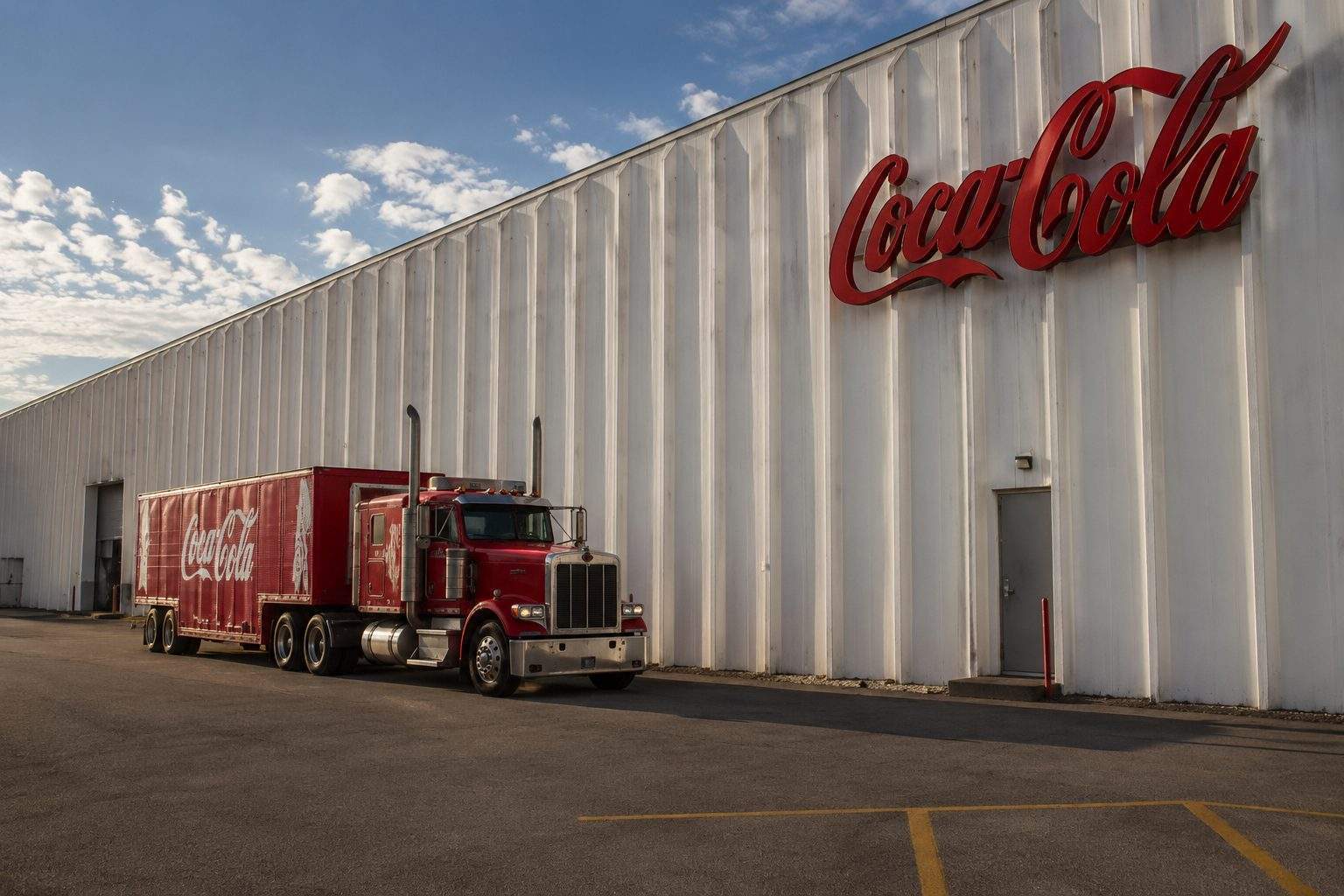
Coca-Cola Consolidated shouldn’t be confused with The Coca-Cola Company out of Atlanta, which owns the brand. This Charlotte bottler handles production, sales, and distribution of soft drinks in 14 states and Washington, D.C., drawing roughly 85% of its bottle-and-can retail volume from Coca-Cola offerings. Monster Energy and Keurig Dr Pepper brands are also part of its distribution mix.
The company gets a front-row view of U.S. beverage buying habits, zeroing in on grocery, club, convenience, and value channels. According to the filing, local bottlers handling PepsiCo goods—and in some pockets, Dr Pepper as well—make up its core competition. Price, packaging, shelf space, and promotions are the big pressure points.
The wider Coca-Cola system is staying resilient. On April 28, Coca-Cola Co. posted a 12% jump in first-quarter net revenue to $12.5 billion. The company said it picked up value share across total nonalcoholic ready-to-drink beverages. Higher input costs still pressured its comparable operating margin.
During the quarter, Coca-Cola Consolidated reported a 16.7% jump in sparkling bottle-and-can sales, reaching $1.09 billion. Still beverages, including bottled water, sports drinks, tea, coffee, and energy drinks, climbed 18.9% to $605.1 million. The company credited zero-sugar options for the lift in sparkling volumes, while brands like Dasani case-pack water, Monster, Powerade, BODYARMOR, and smartwater fueled the gains in still beverages.
The balance sheet’s getting a closer look. Interest expense shot up to $32.1 million, compared to $6.9 million a year ago. That’s after the company took on debt in late 2025 to finance a $2.40 billion buyback from an indirect Coca-Cola Company subsidiary. As of April 3, total debt came in at $2.64 billion, trimmed from $2.79 billion at year-end, following a $150 million payment.
Operating cash flow landed at $205.3 million for the quarter, a $7.1 million increase over last year. Property, plant, and equipment spending totaled $63.1 million. Looking ahead, the company is projecting roughly $300 million in capital expenditures for 2026, pointing to supply-chain upgrades and growth initiatives.
The danger here: if aluminum, tariffs, or labor costs remain elevated, pricing might lag behind. There’s also a concentration risk—nearly 30% of first-quarter net sales came from Walmart-related and Kroger-related chains combined. That kind of consolidation puts big retailers in a strong position when it comes to negotiating pricing, promotions, and shelf space.
The bullish scenario here hinges on cost discipline. Real volume actually grew in the first quarter, even adjusting for extra days on the calendar. Looking ahead, the fourth quarter drops six days compared to last year, though both full-year periods line up with the same total days. That sets up a real test for the coming quarters: can the company’s pricing moves, packaging decisions, and cost management turn those top-line gains into fatter margins? Coca-Cola Consolidated, Inc.
Related articles: Earnings Reports