
New York, Feb 5, 2026, 07:03 EST — Premarket
- Brent dropped 1.2% to $68.60 a barrel, while WTI slipped roughly 1.3% to $64.32 in early trading
- The contracts surged roughly 3% the previous day amid concerns the US-Iran talks might collapse
- Traders are focused on Friday’s Muscat talks and new US data for the next move
Oil prices dropped over 1% Thursday after the U.S. and Iran agreed to hold talks in Oman on Friday, easing short-term supply concerns. Brent crude futures slid 86 cents, or 1.2%, to $68.60 a barrel, while U.S. West Texas Intermediate (WTI) crude fell 82 cents, or about 1.3%, to $64.32 by 10:36 GMT. UBS analyst Giovanni Staunovo said Middle East tensions remain a “strong influence” on prices. John Evans of PVM Oil Associates warned Brent could be “banging on the door of $70” if the talks fail. Reuters
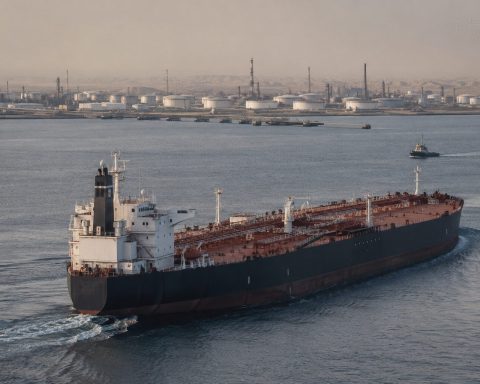
The drop came after a sharp rally the day before, highlighting how quickly traders are adjusting the geopolitical “risk premium”—the extra cost buyers accept to guard against supply disruptions. On Wednesday, Brent climbed $2.13, or 3.16%, closing at $69.46, while WTI rose $1.93, or 3.05%, to $65.14, fueled by a media report hinting the talks might fall apart. Ajay Parmar, ICIS’s director of energy and refining, noted the “risk premium is still in the market,” pointing to Iran’s 3.4 million barrels per day supply and the Strait of Hormuz, a chokepoint for about 20% of global oil liquids. Reuters
Friday’s meeting will be held in Muscat, following a brief, public disagreement over the venue and agenda. U.S. officials have pushed to include Iran’s missile program and other concerns, but Iran wants the talks to focus solely on its nuclear program. This standoff has left traders cautious about a sudden return to threats or military actions.
Supply figures remain in play despite the politics dominating the tape. The U.S. Energy Information Administration reported commercial crude inventories dropped 3.5 million barrels to 420.3 million in the week ending Jan. 30. That puts stocks roughly 4% below the five-year average for this season. Gasoline supplies nudged up by 0.7 million barrels, while distillate stocks fell sharply, down 5.6 million barrels.
Volatility has pushed more trading into U.S. export-linked crude benchmarks as companies scramble to lock in prices. On the Intercontinental Exchange, a record 1.9 million WTI Midland at Houston contracts traded in January, exchange data revealed. ICE executive Jeff Barbuto noted that “Iranian geopolitical tensions have influenced risk premiums” in the oil market. He also highlighted the return of Venezuelan barrels, adding fresh competition for Canadian crude in the U.S. Gulf Coast market. Reuters
WTI Midland is a U.S. crude tied to export prices in Houston. Western Canadian Select, a heavy Canadian benchmark, often vies for the same refinery and export demand.
A risk for bulls is that diplomacy sticks, draining the premium from prices and pushing crude to trade mainly on inventories, refinery activity, and demand. On the flip side, a collapse in talks or any event near major shipping routes could quickly send traders scrambling to bid up barrels again.
Traders are also keeping an eye on U.S. macroeconomic data that could sway the dollar and fuel demand outlook. The Labor Department is set to release its Employment Situation report on Friday, Feb. 6, at 8:30 a.m. ET.
Related articles: Energy Markets