
NEW YORK, Jan 13, 2026, 05:23 EST
- Bitcoin Depot shares climbed roughly 5% in late U.S. trading
- Reports of fraud are prompting U.S. cities and states to impose caps, licensing requirements, or outright bans on crypto ATMs
- Operators are contending with an expanding maze of regulations, fee caps, and refund mandates
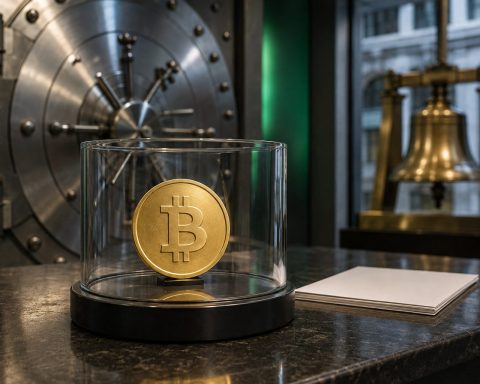
Shares of Bitcoin Depot Inc rose roughly 4.6% to $1.37, even as the bitcoin ATM operator faces increasing regulatory pressure from U.S. cities and states cracking down on crypto kiosks amid a surge in fraud complaints.
That’s key for operators since these machines — known as virtual currency kiosks — convert cash into crypto and transfer it to a digital wallet. Regulators say scammers often use this method to rush victims into paying. A recent PYMNTS report highlighted fresh local bans and stricter state limits, noting that warning labels and ID verification are increasingly common requirements.
The FBI reported that losses from bitcoin ATM scams topped $333 million in 2025 through November, up from roughly $250 million in 2024, ABC News said. “Requesting crypto is now the No. 1 preferred method of criminals,” Amy Nofziger, AARP’s director of fraud victim support, told ABC. ABC News
Last year, Spokane, Washington, banned virtual currency kiosks. The city council framed the move as a safeguard for “vulnerable” residents. “These kiosks have become a preferred tool for scammers,” council member Paul Dillon said in a city release.
On Jan. 5, Maine’s Bureau of Consumer Credit Protection announced a $1.9 million consent agreement with Bitcoin Depot. The deal aims to compensate consumers defrauded by third-party scammers exploiting the company’s kiosks. Governor Janet Mills called on residents to “talk with their loved ones” about the risks of scams. Maine
Maine’s consumer credit bureau announced the settlement after a two-year probe. Claims can be filed until April 1, 2026, with refunds set to start rolling out in May. Eligibility depends on whether victims sent crypto to an “unhosted wallet,” which is a wallet controlled directly by the user instead of a bank or exchange. Maine
Vermont law limits daily cash transactions to $2,000 for new kiosk users and $5,000 for returning customers. Fees are capped at the higher amount between $5 or 15% of the transaction. The law also imposes a moratorium on kiosk operations in the state through July 1, 2026, allowing only a few exceptions.
Cities are crafting their own rules as well. Sterling Heights, Michigan, proposed an ordinance that would mandate local licensing, photo ID for transactions, fraud warnings, and receipts. This comes after police probed 23 fraud cases linked to roughly 27 machines in the city, with losses exceeding $542,000.
The push isn’t just coming from a single operator. Steve Weisman, a professor at Bentley University, told NBC 10 in Rhode Island that crypto ATMs are “entirely legitimate” but open to misuse. He highlighted ongoing lawsuits and state consumer protections, including refunds for those defrauded.
Founded in 2016, Bitcoin Depot claims the largest market share in North America, boasting around 8,800 kiosks. It also offers bitcoin sales via its BDCheckout service at various retail outlets.
Sen. Dick Durbin has put forward the Crypto ATM Fraud Prevention Act of 2025, aiming to update U.S. law to block fraudulent activity at virtual currency kiosks, according to Congress.gov.
The immediate challenge for operators lies in the patchwork of city bans, state fee caps, tighter ID requirements, and refund rules that could upend the economics of kiosk networks, particularly in smaller markets. ABC News reported last week that Maine’s settlement included Bitcoin Depot, which is also battling a separate lawsuit in Iowa.
Crypto-related stocks held steady. Coinbase Global and Block each gained roughly 1% in recent trading, highlighting that current pressure is focused more on the ATM segment than the broader industry.