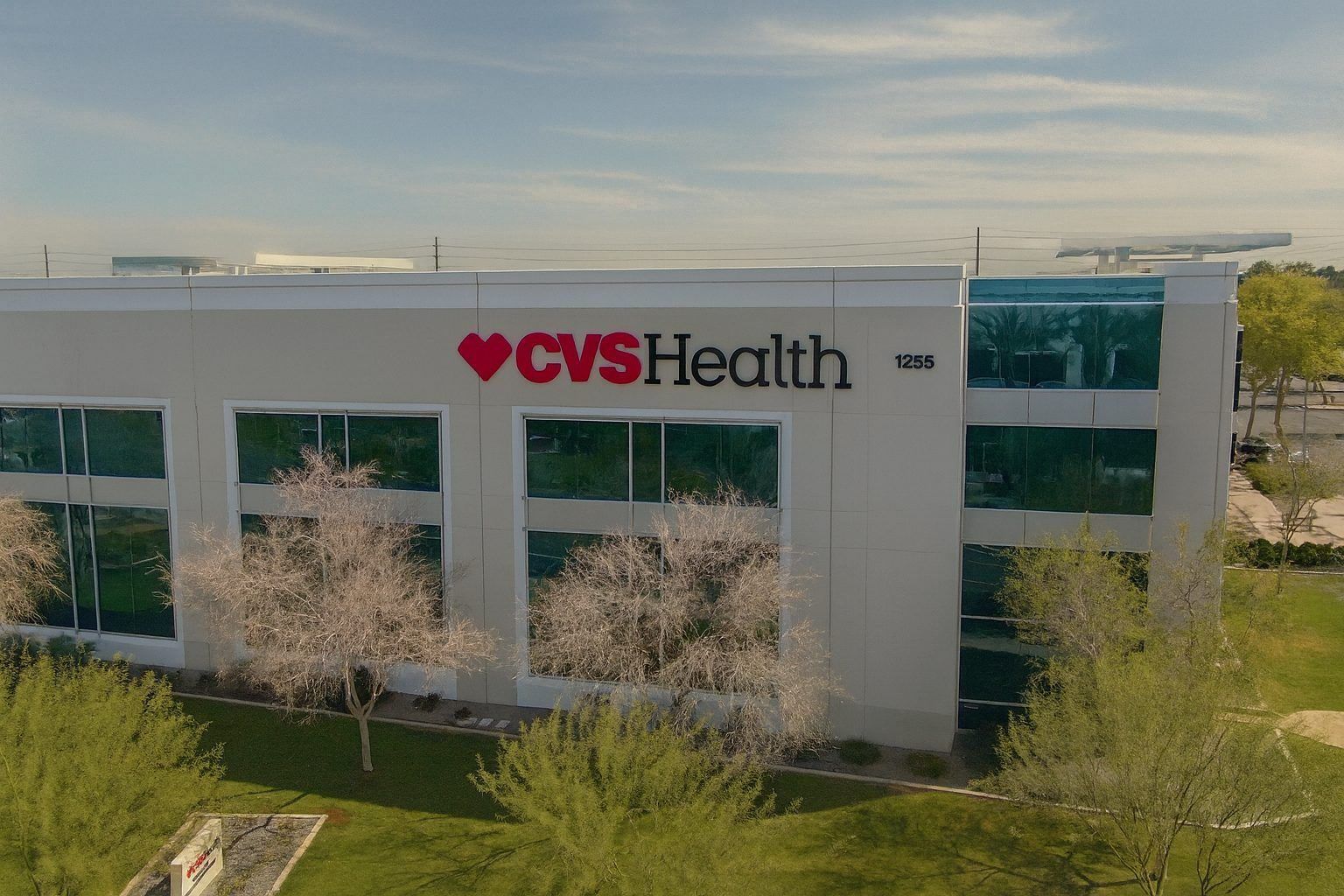
As of December 2, 2025, CVS Health Corporation (NYSE: CVS) finds itself in a classic “good news, bad headlines” moment: the stock has pulled back after a strong 2025 rally, the company agreed to a federal settlement over insulin-pen billing, and yet Wall Street’s forecasts still point to further upside.
Below is a structured rundown of the latest price action, news, forecasts and analyses as of and since December 2, 2025.
Share price on December 2, 2025: dip after a big year
On Tuesday, December 2, 2025, CVS Health shares fell about 1.9%, closing at $77.62, even as the broader U.S. equity market inched higher. The S&P 500 gained 0.25% and the Dow added 0.39%, meaning CVS notably underperformed the major indices and key healthcare peers like UnitedHealth and Elevance.MarketWatch+1
Key trading stats for December 2:
- Close: $77.62
- Intraday range: roughly $79.43 (high) to $77.19 (low)StockAnalysis
- Volume: about 7.7 million shares, above its 50‑day average around 7.2 million shares, signalling elevated activity on a down day.MarketWatch+1
Despite the latest pullback, CVS’s 2025 performance remains impressive:
- Year-to-date 2025: up roughly 75–80%, according to performance data cited in recent December analysis.TS2 Tech
- 52‑week range: about $43.56 (low) to $85.15 (high, reached after Q3 earnings on October 29, 2025).StockAnalysis+1
- Current level vs 52‑week high: the stock is still about 8–9% below its late‑October peak.MarketWatch
Volatility remains modest. CVS’s five‑year beta is around 0.5, meaning the stock has historically moved about half as much as the market – a typical profile for a large, diversified healthcare company.Simply Wall St+1
The big December 2 headline: a $37.76M insulin‑pen settlement
The main news catalyst on December 2 was legal, not operational.
What happened
The U.S. Department of Justice announced CVS will pay $37.76 million to resolve allegations that, between 2010 and 2020, its pharmacies dispensed more insulin pens than physicians prescribed and then improperly billed federal healthcare programs, including Medicare and Medicaid.Reuters+1
Key points from the settlement:
- The case alleged CVS used practices that effectively maximized days-of-supply and refills on insulin pens, resulting in overbilling.Reuters+1
- Roughly $24.4 million of the settlement will go to the federal government, with the remainder to U.S. states.GuruFocus
- The case began as a whistleblower suit filed by a CVS pharmacist; whistleblowers will share about 19.5% of the settlement proceeds.Reuters+1
CVS did not admit liability. The company stressed that insulin-pen billing has long been complicated by changing labels, variable dosing and differing payer limits, and said that evolving PBM practices have improved the situation and that it is “pleased to put this issue behind” it.Reuters
Market impact
From a stock perspective, the dollar amount is small relative to CVS’s scale:
- 2025 revenue is guided to nearly $397+ billion.CVS Health+1
- Market cap is around $100 billion at recent prices in the high‑$70s.GuruFocus+1
The settlement is therefore primarily a headline and governance risk, not a balance‑sheet threat. However:
- It reinforces ongoing scrutiny of pharmacy benefit managers (PBMs) and drug‑pricing practices.TS2 Tech+1
- It adds to investor concerns that compliance and litigation costs may continue to nibble at already thin margins.
For long‑term investors, the key question is whether this is an isolated clean‑up of legacy practices or a sign of deeper systemic risk in CVS’s pharmacy operations.
Institutional buying and insider activity around December 2
Fresh filings and alerts around December 2 show a mix of institutional accumulation and routine insider share surrenders.
Brandes Investment Partners adds to its CVS position
On December 2, MarketBeat highlighted that Brandes Investment Partners LP increased its stake in CVS by about 1.4%, buying 23,996 additional shares in the latest reported quarter. The firm now holds roughly 1.72 million CVS shares, worth nearly $119 million, representing about 0.14% of the company.MarketBeat
The same report notes:
- Institutional investors own about 80–89% of CVS’s float, depending on the data source, indicating strong interest from large funds.MarketBeat+1
Insider share “sales” that aren’t classic selling
Two notable December Form 4 filings involve insiders surrendering shares to cover taxes, not selling stock in the open market:
- Heidi B. Capozzi, EVP and Chief People Officer, surrendered 9,470 shares at $80.36 to cover withholding taxes on vested restricted stock units, and still directly owns 11,415 shares.Stock Titan
- Roger Farah, Executive Chair of the Board, also surrendered 9,748 shares at $80.36 in a similar transaction, according to a Reuters‑sourced Form 4 notice.TradingView
These transactions are administrative rather than discretionary sells and, in isolation, do not usually signal changing management confidence.
Fundamentals: strong revenue growth, one‑time impairment and updated 2025 guidance
The latest fundamental backdrop for CVS stock comes from its Q3 2025 earnings report and guidance update on October 29, 2025.CVS Health Investors+1
Q3 2025 by the numbers
For the quarter ended September 30, 2025:
- Revenue:
- $102.9 billion, up 7.8% year over year, a record high driven by growth across all segments.CVS Health+1
- GAAP results:
- Operating loss: about $3.2 billion, vs. positive $832 million a year earlier.
- Net loss: roughly $4.0 billion.
- GAAP EPS:–$3.13, compared with +$0.07 in Q3 2024.CVS Health Investors
- Adjusted results:
- Adjusted operating income: about $3.46 billion, up ~36% year over year.CVS Health Investors+1
- Adjusted EPS:$1.60, up from $1.09 a year ago.CVS Health Investors+1
The huge gap between GAAP and adjusted earnings is due largely to a $5.7 billion non‑cash goodwill impairment in the Health Care Delivery unit (which includes newer primary‑care assets like Oak Street Health), partially offset by a gain on deconsolidating Omnicare.CVS Health Investors+1
2025 guidance: GAAP loss, strong adjusted EPS
CVS’s updated full‑year 2025 guidance underscores that the impairment is accounting‑driven rather than cash‑driven:CVS Health+1
- GAAP diluted EPS: revised to a loss of $0.34 to $0.24 per share, from prior guidance of +$3.84–$3.94, reflecting the goodwill charge.
- Adjusted EPS:raised to $6.55–$6.65, from $6.30–$6.40, thanks to better performance in Health Care Benefits and Pharmacy & Consumer Wellness.
- Cash flow from operations: now expected to be $7.5–$8.0 billion (up from “at least $7.5 billion”).
Segment commentary from CVS’s earnings presentation adds nuance: Health Care Benefits is powering much of the upside, while Health Services and Pharmacy & Consumer Wellness face pharmacy reimbursement pressure and medical‑cost dynamics, even as script volumes and market share grow.Q4 Capital
For valuation, most analysts therefore focus on forward adjusted EPS (around the mid‑$6 range), not trailing GAAP EPS distorted by the impairment.TS2 Tech+1
Dividend story: ~3–3.5% yield and steady growth
Income investors continue to watch CVS as a dividend stock:
- CVS currently pays a quarterly dividend of about $0.665–$0.67 per share, or approximately $2.66–$2.68 annually.StockInvest+2TS2 Tech+2
- At a share price around $77–78, that equates to a forward dividend yield of roughly 3.3–3.5%.Dividend.com+1
- Dividend research sites estimate a 3‑year dividend CAGR near 7%, implying moderate, consistent growth.Dividend.com
- CVS has a long history of not skipping dividends since the late 1990s.Yahoo Finance
Because GAAP EPS is temporarily depressed by the goodwill charge, payout ratios based on GAAP look extreme, but relative to adjusted EPS guidance (~$6.55–$6.65), the dividend is comfortably covered and still leaves room for debt reduction and potential buybacks once management is confident in the trajectory.CVS Health+1
Governance and leadership: Joyner consolidates control
On November 20, 2025, CVS announced that President and CEO David Joyner will also become Chair of the Board, effective January 1, 2026.CVS Health+1
Key points:
- Joyner took over as CEO in late 2024 and is credited by the board with driving operational, financial and cultural improvements.CVS Health
- Current Executive Chair Roger Farah will remain on the board, while Michael Mahoney continues as Lead Independent Director, preserving some governance balance.PR Newswire
For investors, this signals the board’s strong confidence in Joyner’s multi‑year strategy, which includes:
- Resetting underperforming primary‑care acquisitions.
- Tightening cost controls and medical‑benefit ratios.
- Focusing on businesses and markets where CVS can sustainably win.CVS Health+1
Wall Street’s view: double‑digit upside from here
Across multiple data providers, analyst sentiment on CVS Health remains broadly positive despite the recent dip and legal noise.
Price targets and ratings
Different platforms show slightly different numbers, but the picture is consistent:
- StockAnalysis.com:
- 18 analysts, average rating “Strong Buy”.
- Average 12‑month price target: about $87, implying roughly 12% upside from the December 2 close, with targets ranging from around $70 to $102.StockAnalysis+1
- MarketBeat:
- Consensus rating “Moderate Buy”, reflecting a mix of Strong Buy, Buy and Hold ratings.
- Average target price: about $89–$90, or roughly 15% upside versus $77.62.MarketBeat
- TipRanks (summary view):
- Around 15 Buy vs 1 Hold rating and no Sells, for a “Strong Buy” consensus.TipRanks
Most brokers see CVS trading at roughly 11–12x expected 2025 earnings and closer to 10–11x 2026 EPS, which is a discount to the broader U.S. equity market and modestly below many healthcare peers.StockAnalysis+2TS2 Tech+2
Fundamental forecasts
Analyst aggregates suggest:StockAnalysis+2Yahoo Finance+2
- Revenue could grow from about $372–$402 billion in 2025 to ~$419 billion in 2026, implying low‑ to mid‑single‑digit top‑line growth.
- EPS is expected to climb from approximately $6.6 (2025) to about $7.2 (2026), implying high‑single‑digit earnings growth off the new base.
That backdrop underpins brokerage price targets in the high‑$80s to low‑$90s cited in recent December commentary.TS2 Tech+2StockAnalysis+2
Technical view after the December 2 session
Short‑term technical analysts are more cautious than fundamental analysts, but still see upside over the next few months.
According to StockInvest’s December 2 update:StockInvest
- CVS closed at $77.62, down 1.87%, after trading between $77.19 and $79.43.
- The stock sits in the lower part of a broad, gently rising short‑term trend, which their models typically view as a potential entry zone if the trend holds.
- Their system now labels CVS as a “Hold/Accumulate” rather than a Sell.
- They estimate about 7.75% potential upside over the next three months, with a 90% probability that the stock ends that period between around $82 and $93.
- Support is clustered near $76.7, with resistance around $78.4–$80.6, and day‑to‑day volatility remains relatively low.
For active traders, that suggests near‑term choppiness but a still‑constructive intermediate trend, especially if broader markets remain calm.
Other December 2 developments: Aetna, philanthropy and dividend screens
Several additional December 2 items add color but may be secondary for the stock:
- Aetna Medicaid, a CVS company, announced $500,000 in donations to community organizations aimed at reducing food insecurity – a positive for the company’s ESG narrative.CVS Health
- A Morningstar/MarketWatch feature on “dividend-stock bargains” listed CVS among high‑yield names with attractive forward P/E ratios, reinforcing its reputation as a value‑oriented income play.Morningstar+1
- Fixed‑income investors noted a dividend event on a CVS 5.875% 2023–2053 bond, with a payment date and ex‑date on December 2, 2025 — more relevant to bondholders than equity shareholders.Stock Events
Bull vs. bear case: how recent analysis frames CVS Health stock
A detailed December 2025 overview from TS2.tech and other outlets highlights unusually polarized opinions on CVS for a “defensive” healthcare giant.TS2 Tech+2TS2 Tech+2
The bull case
Supporters of CVS stock tend to emphasize:
- Valuation: Forward P/E around 11–12 vs a U.S. market multiple above 20, even after a big 2025 rally.StockAnalysis+1
- Scale and integration: CVS combines a major health insurer (Aetna), one of the largest PBMs, and a coast‑to‑coast retail pharmacy footprint deeply embedded in U.S. healthcare delivery.GuruFocus+1
- Cash generation: Billions in annual operating cash flow, with guidance raised for 2025.CVS Health+1
- Dividends and stability: A 3%+ yield, low beta, and steady dividend growth appeal to income‑oriented and defensive investors.Dividend.com+1
Some commentators even describe CVS as a “once‑in‑a‑generation” value opportunity among non‑tech large caps, given its combination of scale, cash flow and discounted valuation.TS2 Tech+1
The bear case
Skeptics counter with several points:
- Margin and profitability pressures: Revenue has grown at mid‑single‑digit rates, but net margins are thin (~0.1–0.2%) and below industry medians, reflecting cost pressure and intense competition.GuruFocus+1
- Return on capital: Some analyses highlight weak and deteriorating returns on capital, implying that past acquisitions and expansions (including Oak Street) have not yet earned their cost of capital.TS2 Tech+1
- Regulatory and policy risk:
- Ongoing scrutiny of PBMs and Medicare Advantage could squeeze margins or force structural changes.
- Disputes like Aetna’s contract fight with UConn Health underscore the tension between payers and providers.CT Insider+2TS2 Tech+2
- Execution risk in primary care: The large goodwill impairment is a reminder that turning around acquired clinic assets will be complex and could require further write‑downs if performance lags.CVS Health Investors+2Q4 Capital+2
Several bearish commentators therefore warn that CVS could be a “value trap” if management cannot sustainably improve margins, returns on capital and regulatory positioning.TS2 Tech+1
What December 2, 2025 means for CVS shareholders
Putting it all together, the December 2 snapshot of CVS Health stock looks like this:
- Short term:
- The stock sold off modestly on a high‑volume day and on news of a $37.76M insulin‑pen settlement, reinforcing regulatory overhangs.Reuters+1
- Technicals are mixed – negative moving‑average signals but a still‑rising trend channel and algorithmic models calling CVS a “Hold/Accumulate” with mid‑single‑digit upside over a three‑month horizon.StockInvest
- Medium term (12–18 months):
- Wall Street consensus expects EPS growth in the high single digits, revenue growth in the low to mid single digits, and 10–15% price upside from current levels, plus the dividend.StockAnalysis+2TS2 Tech+2
- The main swing factors are execution on cost control and clinic turnaround, plus the regulatory path for PBMs and Medicare Advantage.
- Long term:
- CVS remains a core player in U.S. healthcare infrastructure, with substantial scale advantages but also political and operational complexity.
- Leadership consolidation under David Joyner suggests a clearer strategic direction, but investors will want evidence that capital allocation is improving and that large deals will create, not destroy, long‑term value.CVS Health+1
As always, whether CVS Health is a buy, hold or sell for you depends on:
- Your time horizon.
- Your tolerance for regulatory and reimbursement risk.
- How much weight you place on defensive income vs growth in your portfolio.
This article summarizes recent publicly available information and analyst consensus as of early December 2025. It is not personal investment advice. Consider speaking with a licensed financial adviser before making any investment decisions.