NEW YORK, December 31, 2025, 17:21 ET — After-hours
- D-Wave Quantum shares down 0.4% at $26.15 in after-hours trading
- Stock traded in a $26.05–$27.42 range on the last trading day of 2025
- Traders are watching January conference appearances for fresh business updates
D-Wave Quantum Inc (QBTS) shares were down 0.4% at $26.15 in after-hours trading on Wednesday, capping a choppy final session of 2025. The stock traded between $26.05 and $27.42, with about 36 million shares changing hands.
The quantum-computing stock is up about 211% year-to-date, but still sits roughly 44% below its 52-week high of $46.75. Short interest stands near 12% of the public float, a setup that can amplify moves when liquidity thins.
Why it matters now is timing. U.S. stock markets are closed on Thursday for New Year’s Day, leaving traders to reassess positions when markets reopen on Friday.
The holiday break also shifts attention to early-January events, when companies in emerging themes often try to frame the next leg of the story. For D-Wave, that means investor focus is tilting from year-end tape action to what management and customers say in public forums.
Moves in other U.S.-listed quantum pure plays were modest in late trading. IonQ fell about 0.9%, Rigetti Computing slid roughly 1.1%, and Quantum Computing Inc was down about 1.3%.
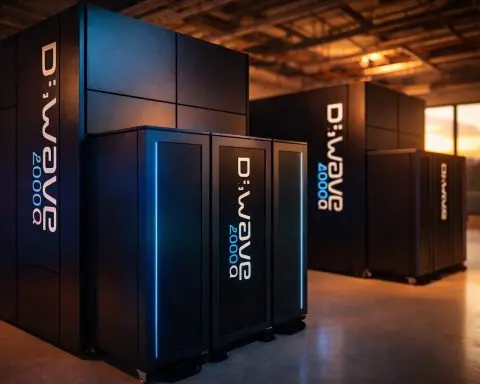
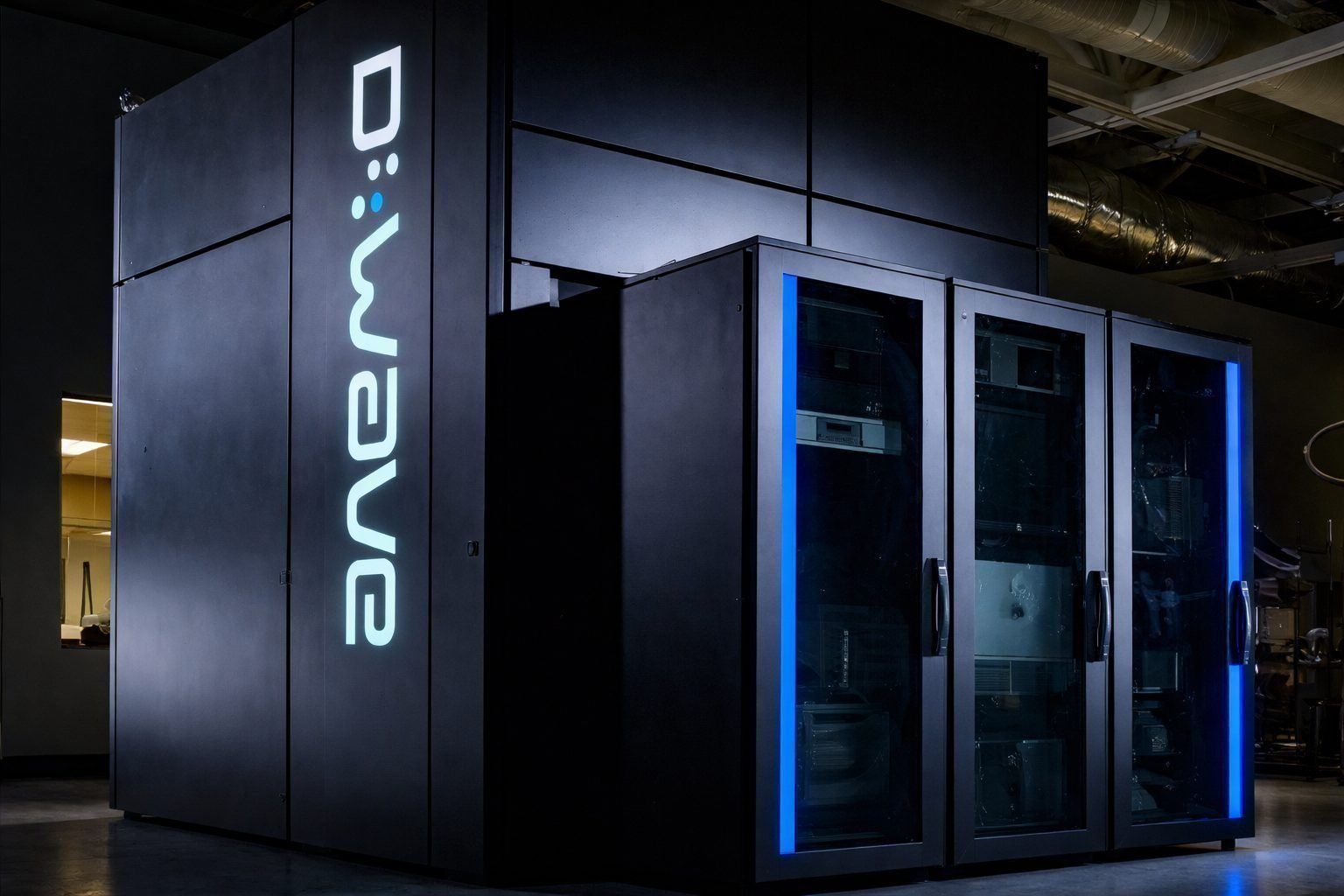
D-Wave’s next visible catalyst is a January appearance tied to CES 2026. The company said it will sponsor the CES Foundry at Fontainebleau Las Vegas on Jan. 7-8, and will showcase its annealing quantum computing technology and “hybrid” quantum-classical solvers — software that pairs quantum hardware with traditional computers to tackle specific problems. “Showcasing quantum computing at CES, one of the world’s most influential technology stages, signals that the technology is quickly moving into the mainstream,” said Murray Thom, D-Wave’s vice president of quantum technology evangelism, in the statement. D-Wave Quantum
Annealing quantum computing is designed to search for good solutions to complex optimization problems — the kinds of routing and scheduling tasks that can bog down classical systems. It is distinct from “gate-model” quantum computing, the approach used for more general-purpose quantum algorithms.
Investors will be looking for evidence that demos and customer case studies translate into measurable commercial traction. In practice, that often means updates on customer deployments, recurring cloud usage and the pace of new bookings, rather than breakthroughs in raw hardware performance.
D-Wave has also pointed to its annual Qubits user conference in Boca Raton, Florida, on Jan. 27-28 as another venue where executives, customers and industry speakers will discuss applications and roadmaps. That event is on the calendar for traders who expect conference-driven volatility in thin early-year markets.
For now, the stock’s late-December behavior shows how quickly sentiment can flip in the sector. With a strong 2025 run already in the books, investors are weighing whether January catalysts can keep attention on the group — or whether profit-taking dominates the first weeks of 2026.
When trading resumes after the New Year holiday, the next test for QBTS will be whether it can hold recent levels into CES week — and whether any incremental updates change expectations for revenue conversion and cash burn in 2026.