Anchorage—April 6, 2026, 05:58 (AKDT)
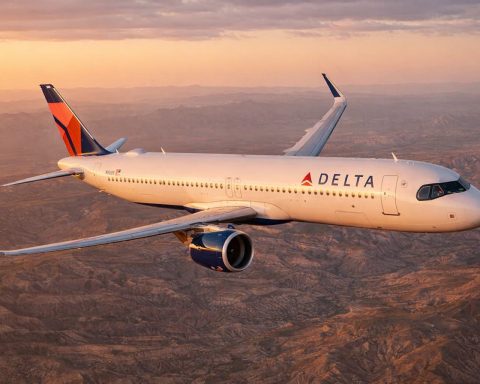
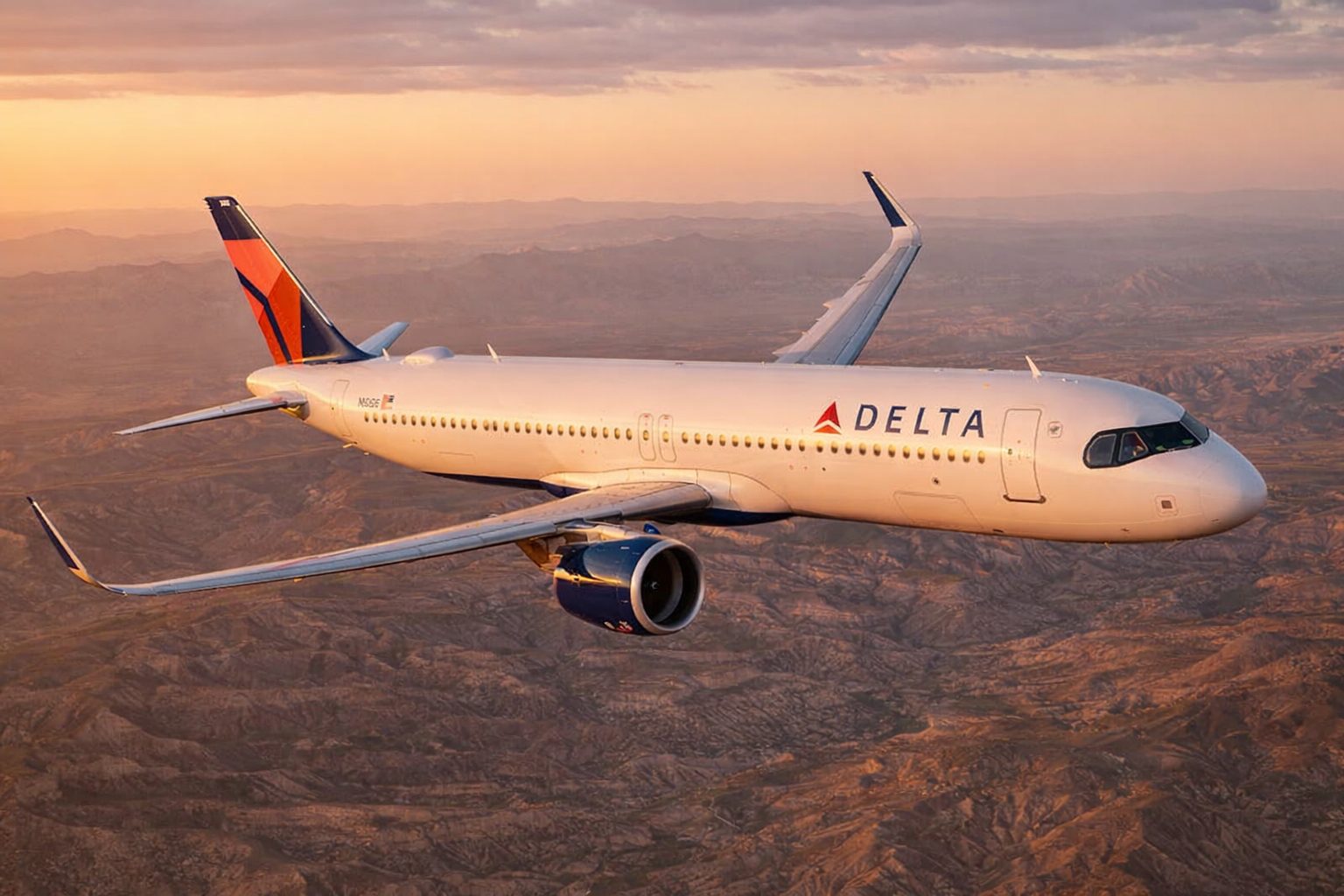
Delta Air Lines is scrapping its scheduled summer Los Angeles-Anchorage flights, aviation reports show, blaming rising fuel prices. Alaska-bound travelers are also facing a fresh headache: Ted Stevens Anchorage International Airport has cautioned that slush, ice, and deicing operations could cause delays. The Bulkhead Seat
The schedule is key here: that seasonal flight was set to come back next month, right as carriers are pushing “capacity discipline”—which is code for cutting less-profitable routes to keep margins healthy. Jet fuel costs have soared lately, with Reuters noting a leap from $85-$90 a barrel up to $150-$200 in just weeks. Delta CEO Ed Bastian said fuel prices “almost doubled since the start of the year.” BoardingArea
April 16-23 search results had Hawaiian Airlines continuing to sell nonstop flights between Los Angeles and Anchorage. Delta and United, on the other hand, only listed options connecting through another city. Another industry report noted Delta isn’t dropping Anchorage from its map, with flights still set from Atlanta, Detroit, Minneapolis, Salt Lake City, and Seattle. EaseMyTrip
Operational headaches hit Anchorage airport right away. Crews worked on slush and ice in ramp and gate zones, and airport alerts flagged potential flight slowdowns from deicing. According to FlightAware, inbound flights were delayed by an average of 36 minutes at one stage. Instagram
Alaska-bound flyers now have a double headache: fewer nonstop seats on a key West Coast route, and more unpredictability once they arrive. Airlines across the board are shifting strategy. According to Reuters, United, Air New Zealand, and SAS have all trimmed capacity or reassessed their forecasts. AP noted JetBlue bumped up checked-bag charges, citing higher fuel costs. Reuters
Delta’s feeling the pressure, refinery or not. Even with its Philadelphia-area plant, which Reuters notes serves as a rough hedge against the crack spread—the difference between crude and jet fuel—it hasn’t shielded the airline from all the pain. CEO Bastian pegged the fuel cost jump at roughly $400 million just for March. Reuters
“Airlines face an existential challenge,” Rigas Doganis, chair of consultancy Airline Management Group and a former Olympic Airways chief, told Reuters. The dilemma is clear: either push fares higher and possibly lose passengers, or leave less-profitable routes running and take the fuel cost pain. Reuters
Still, the situation could shift fast. A pullback in oil prices or steady summer demand would give airlines the green light to restore capacity or shift planes to other routes. But if fuel costs remain elevated and turnaround times in Alaska stay sluggish, come May, travelers could be staring at tighter seating, steeper prices, and less wiggle room. Reuters