
NEW YORK, July 20, 2026, 09:05 EDT
- The number of roughly 400 openings would surpass the planned store closures by over five times.
- Store closures account for about 0.8% of locations, consistent with the rate from the previous year.
- Approximately 63% of the chain’s locations now operate with multiple price points.
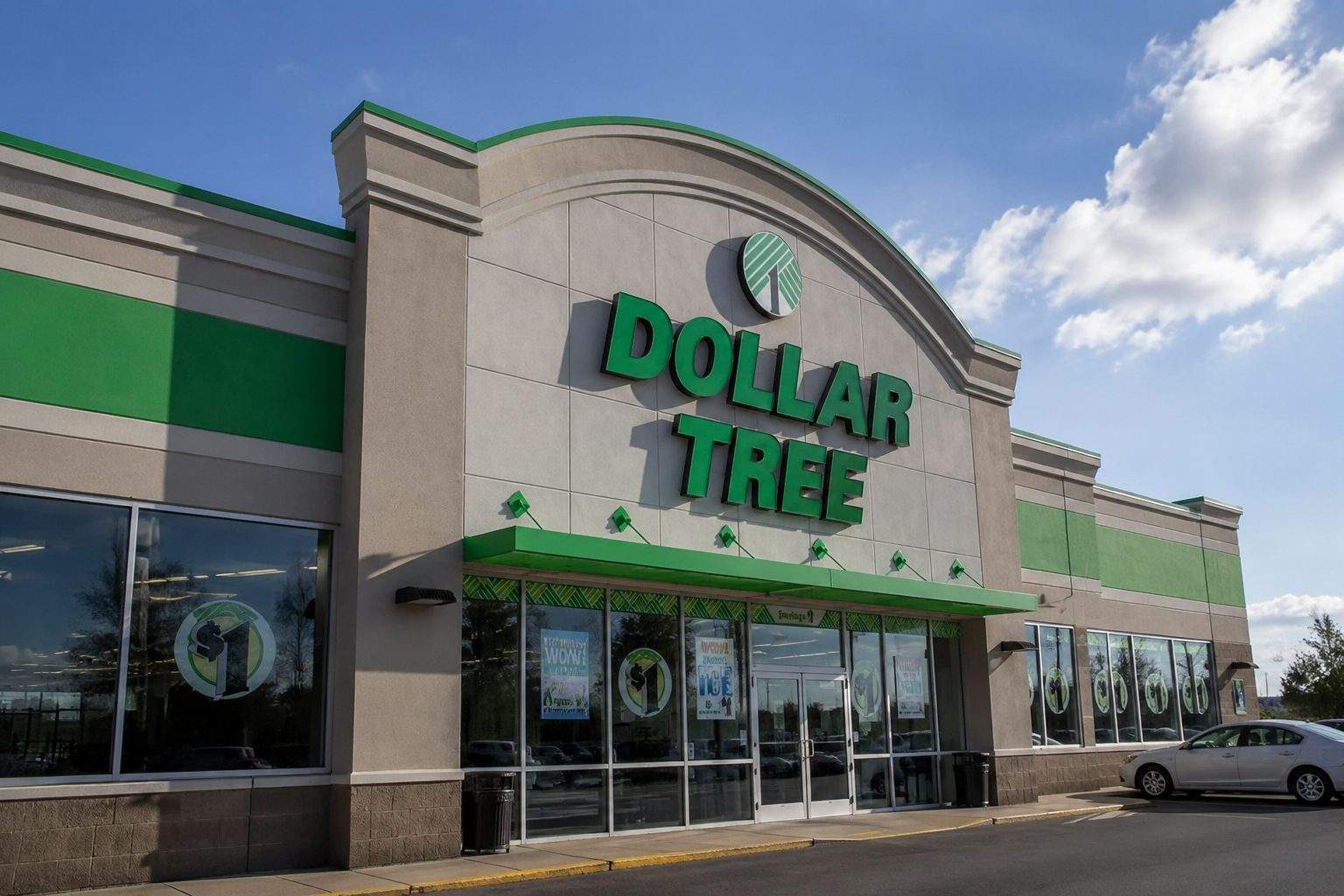
Dollar Tree will shut down roughly 75 stores in fiscal 2026, but the company continues to report growth rather than contraction.
About 400 planned openings suggest 325 net new stores before relocations, representing 3.5% of the company’s store count as of January.
The closure goal is not new; Dollar Tree initially announced it on March 16 and reiterated it on May 28. Reports over the weekend brought attention back to the number.
U.S. cash markets were yet to open at the time of publication. Dollar Tree ended Friday’s session at $125.94, falling 1.9% prior to the most recent coverage.
| Fiscal year | New stores | Closures | Net openings | Closure rate |
|---|---|---|---|---|
| 2023 actual | 333 | 67 | +266 | 0.82% |
| 2024 actual | 525 | 71 | +454 | 0.84% |
| 2025 actual | 402 | 72 | +330 | 0.81% |
| 2026 company outlook | About 400 | About 75 | +325 | 0.81% |
Closure percentages are calculated from the number of stores opened at the start of the year. Net totals do not include Family Dollar conversions or location moves. Figures derive from company reports.
The scheduled closure rate stands at 0.81% of the initial store count, closely aligning with fiscal 2025 figures. The net increase from openings minus closures is projected at 325 stores, compared with 330 in the previous year.
This steadiness alters how investors interpret the developments. The shutdowns look like typical portfolio adjustments, with expansion into new sites still representing the main engine for growth.
The most significant shift is occurring within current stores. During the first quarter, Dollar Tree either converted or introduced approximately 630 multi-price outlets. This store format now covers 5,900 locations, accounting for around 63% of the total network.
The number of conversions in that quarter reached 8.4 times the yearly closure goal, highlighting the focus of management’s operational efforts.
Chief Executive Mike Creedon connected “new store growth” to “improved store conditions.” During the May call, he said 42% were previously below standard. That proportion has now dropped to under one-third.
“Still not where we want it to be, but significant improvement,” Creedon said. Dollar Tree, Inc.
First-quarter figures highlight the importance of multi-price strategies. Comparable store sales climbed 3.5%, even as store traffic slipped by 1.0%. The average transaction value went up 4.5%.
Net sales increased by 7.2% to reach $5.0 billion. Adjusted earnings were up 38%, coming in at $1.74 per share. Operating margin improved by 120 basis points.
Dollar Tree maintained its sales forecast between $20.5 billion and $20.7 billion. The retailer anticipates comparable sales to grow by 3% to 4%. Adjusted earnings are projected in the range of $6.70 to $7.10 per share.
Risks persist. Traffic trends are negative and tariffs, as well as markdowns, are reducing some improvements to gross margin. Fast expansion could also weaken sales at stores in close proximity or create operational challenges.
Closure headlines resonate with impacted communities. Investors, however, focus more on consistent unit growth and format conversions. The upcoming challenge is to see if these actions can boost traffic levels while maintaining margins.