
NEW YORK, May 15, 2026, 11:26 EDT
- Dow slips back under 50,000, surrendering Thursday’s gains above that mark.
- Treasury yields surged, with oil-driven inflation worries now shaking up expectations around Fed rates.
- Nasdaq lagged, dragged lower by Nvidia, AMD, and Intel shares slipping.
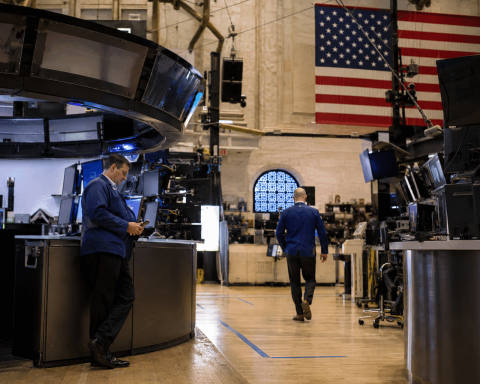
Friday saw the Dow Jones Industrial Average retreat below 50,000, pressured by higher Treasury yields and renewed concerns over inflation tied to oil prices. This pullback followed fresh highs reached by both the S&P 500 and Nasdaq earlier this week.
The Dow dropped roughly 0.8% to 49,658.26, with the S&P 500 falling 0.84% and the Nasdaq Composite retreating 1.16%, according to LSEG figures published on Reuters’ markets page. Over in bonds, the U.S. 10-year Treasury yield edged up to around 4.56%. Brent crude hovered close to $109 per barrel.
The market’s recent surge has really hinged on just two pillars: confidence in ongoing artificial intelligence investment and hope that the Federal Reserve won’t tighten policy further. On Friday, cracks appeared in both assumptions.
The 10-year Treasury yield surged to 4.58%—marking the highest level since May 2025—Reuters said, as ongoing turmoil in the Middle East stoked fresh inflation jitters. By 10:05 a.m. ET, the Dow had dropped 436.84 points, or 0.87%, settling at 49,626.62. The S&P 500 slipped 1.13%, while the Nasdaq slid 1.63%.
Thursday saw the Dow jump 370.26 points, or 0.75%, closing at 50,063.46, while both the S&P 500 and Nasdaq locked in record finishes. Nvidia was out front on the news—Reuters said the U.S. approved roughly 10 Chinese companies to purchase its H200 AI chip. Reuters The move cut into part of that rally.
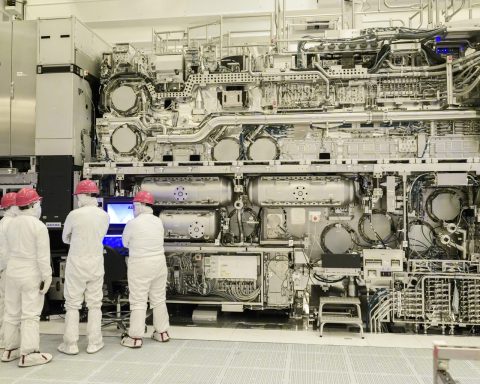
Friday’s drop landed harder on chipmakers. Nvidia and AMD both tumbled over 4%, according to Reuters, while Intel was down 6.8%. The Philadelphia semiconductor index pulled back 4%, dragging the Nasdaq behind the Dow’s pace.
“Markets are pricing in some risk that central banks might feel the need to hike interest rates,” Kiran Ganesh, multi-asset strategist at UBS Global Wealth Management, said in an interview with Reuters. Reuters
Fresh inflation numbers made it tough for traders to look past bonds. The Consumer Price Index in the U.S. climbed 0.6% for April, energy costs driving over 40% of that monthly jump. Producer prices, meanwhile, surged 1.4%—biggest move since March 2022.
Rate bets shifted sharply. According to Reuters, traders now see a 48.4% probability that the Fed will hike rates by at least 25 basis points in December—just a week ago, that figure was only 14.3%. One basis point equals one hundredth of a percentage point.
Prediction markets didn’t land on a single view, but caution dominated. On Kalshi, DeFi Rate’s data pointed to a 97% chance the Fed stands pat in June and priced a 67% “No” for any rate cut before 2027. Over at Polymarket, traders saw a 67% probability the Fed skips cuts throughout 2026, and a 34% shot at a hike that year. DeFi Rate
There’s no push for a rate shift from Fed officials. New York Fed President John Williams, speaking Thursday, said he saw “no reason at all” to change rates at this point. Policy, he said, sits in a “good place” while officials track whether fallout from the Middle East keeps nudging prices higher. Reuters
Earnings are up next. Nvidia is on deck next week, with Walmart, Home Depot, Target, and TJX set to update investors on how consumers are faring as higher fuel and food prices squeeze wallets. Patrick Ryan, chief investment strategist at Madison Investments, told Reuters that returns lately have leaned heavily on “a smaller set of names”—raising questions about the rally’s true strength. Reuters
A simpler bullish setup is on the table: should oil pull back or yields stabilize, sidelined buyers from the last AI surge could jump in. But it could just as easily go the other way — if energy prices remain firm and the Fed signals more hawkishness, pressure on high-flying tech and rate-sensitive names may swamp the Dow’s blue-chip support.
The tone in live trading remains defensive. The Dow isn’t just pulling back at the 50,000 mark for the sake of hitting a milestone; it’s bumping up against a broader question: can Wall Street keep shelling out for stocks at record highs while the bond market demands greater inflation protection?
Related articles: NASDAQ:NVDA