
New York, May 12, 2026, 16:02 EDT
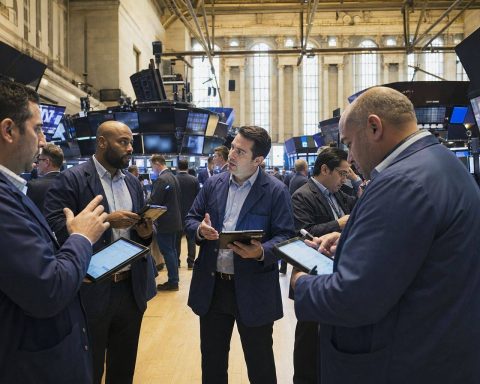
- The Dow Jones Industrial Average edged just 4.18 points lower, closing at 49,700.29—a slip of 0.01%. The S&P 500 gave up 0.54%, while the Nasdaq dropped 1.37%.
- Selling pressure hit after a jump in inflation data—April’s CPI climbed 3.8% year-over-year, with energy costs surging 17.9%. Treasury yields moved up, and oil prices added to the squeeze, overshadowing any straightforward earnings jitters.
- Bulls point to resilient Dow defensives. Bears see fading breadth, tech dragging the market down, and the timeline for rate cuts sliding further away.
The Dow finished steady, but the action beneath the surface told a different story.
The 30-stock average closed flat at 49,700.29, barely budging, but action elsewhere looked very different. The S&P 500 slipped 40.25 points. Nasdaq tumbled, down 360.64 points, with investors rotating out of the growth-heavy names tied to lofty valuations and bets on falling rates.
What’s behind the move counts more than the number itself. April’s Consumer Price Index—a measure tracking household costs for goods and services—climbed 0.6% for the month, up 3.8% from last year. Core CPI, excluding food and energy due to volatility, was up 0.4% for April. Those figures shifted the Dow from a steady close to flashing a caution signal on inflation.
Energy took a chunk out of the numbers, though it wasn’t the sole culprit. According to the BLS, energy prices climbed 17.9% year-over-year; gasoline led the way with a 28.4% surge. Services excluding energy inched up just 0.5% in April. That combination rattled stocks: investors can look past oil spikes as shocks, but sticky services inflation is a tougher sell for the Federal Reserve.
Chicago Fed President Austan Goolsbee didn’t mince words: Inflation is “going the wrong way.” He singled out the services sector as a particular concern. Translation? The Fed’s case for rate cuts just took a hit. Reuters
The Dow managed to stay afloat largely because it isn’t the Nasdaq. By S&P Dow Jones Indices’ definition, the Dow tracks 30 major U.S. blue chips and weights them by share price—pricier stocks do more of the heavy lifting. The index also covers sectors beyond just transportation and utilities, so a tech slide drags it down, but doesn’t dominate the whole picture.
The component breakdown made it clear: UnitedHealth, Coca-Cola, Walmart, Verizon and JPMorgan put in some of the firmer showings on the Dow, while Salesforce, IBM, Amazon, Caterpillar and Microsoft found themselves on the softer end. Investors shifted money into healthcare, staples and names with steadier cash flows, paring back from AI, software, and cyclicals.
Oil remained the headline driver, with Brent crude tacking on 3.6% to hit $107.97. The ongoing war with Iran is still snarling the Strait of Hormuz. Treasuries lost ground, too—the 10-year yield touched 4.46%, up from 4.42%. When yields climb, discount rates follow, which just means those future profits investors bank on lose some shine today. Growth stocks usually take the first hit.
The broader setup looked rough. Shares tied to AI—including Intel, Micron, and CoreWeave—shed ground, unwinding a chunk of this year’s rally, and the Nasdaq slumped far harder than the Dow. The S&P 500 gave up its own record, too. Calling the Dow’s unchanged result a vote of confidence would be a stretch. Instead, it was a defensive move in a shaky market.
Bulls aren’t out of the running yet. Corporate earnings haven’t buckled, and demand remains resilient in key spots: Zebra Technologies surged after upping its full-year sales growth outlook, while Venture Global advanced on higher guidance for adjusted core profit. For those betting on the Dow, the logic holds—so long as profits don’t falter and inflation doesn’t start to spread again, today looks more like a pause than a shift.
The bear argument stacks up pretty clearly. On both the NYSE and Nasdaq, losers beat winners by better than a 2-to-1 margin, and tech led the S&P 500 sectors lower. Not what you’d call a constructive finish behind the scenes. Investors were ditching risk across the board, even though the Dow barely budged on the surface.
Prediction markets aren’t straying from that cautious tone. According to a DeFi Rate feed, which tracks Kalshi, Polymarket, and Gemini, traders see a 97.5% chance the Fed stands pat at its June 16–17 meeting. Looking further out, odds sit at 57% for zero Fed cuts through 2026. Geopolitics? Polymarket’s pricing for a U.S.-Iran peace deal before Trump’s China trip hovers at just 1%, but the read on a deal by December 31 jumps to 64%.
The Dow finds itself wedged between competing narratives. Bulls highlight robust defensive plays, steady earnings, and continued appetite for blue chips. Bears, on the other hand, flag persistent inflation, oil breaking the $100 mark, a Federal Reserve with little room to maneuver, and tech’s rally losing its steam. Once the bell rang, the Dow barely budged. The takeaway wasn’t so neutral.
Related articles: Inflation