
New York, April 30, 2026, 13:06 (EDT)
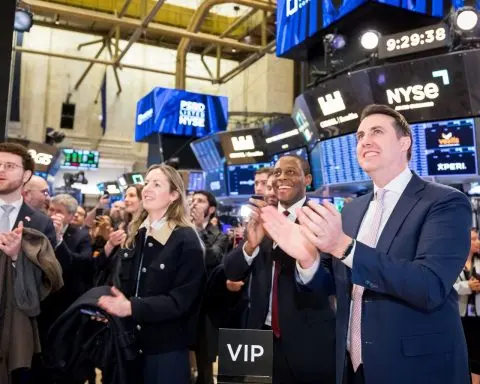
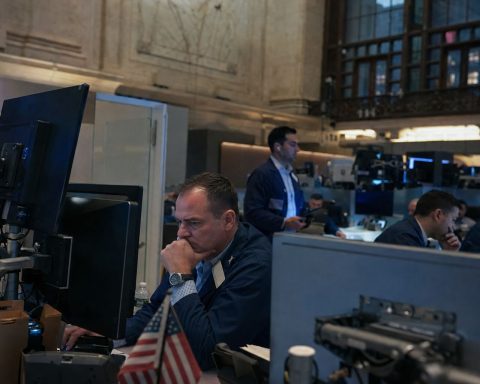
Thursday saw U.S. stocks climb, the Dow taking the lead as upbeat earnings fueled gains. Both the S&P 500 and Nasdaq are now closing in on their strongest monthly rally since 2020, brushing off renewed worries around oil and inflation.
Timing is key. Investors are wrapping up April ready to shell out for earnings growth, despite crude staying expensive due to the war in Iran and ongoing inflation concerns from the Federal Reserve. “The earnings side is winning so far,” said Angelo Kourkafas, senior global investment strategist at Edward Jones, in comments to Reuters. Reuters
Shortly after 12:30 p.m. EDT, the Dow Jones Industrial Average jumped 1.48% to 49,584.97. The S&P 500 picked up 0.55%, reaching 7,174.95, while the Nasdaq Composite inched ahead 0.24% to 24,732.91. Stocks hovered near all-time highs, though gains skewed toward industrial shares and a handful of big-cap heavyweights.
Economic signals offered a muddled picture. First-quarter GDP climbed at a 2.0% annual pace, according to the Bureau of Economic Analysis, bouncing back from the previous quarter’s sluggish 0.5%. But the Fed’s go-to inflation measure, the core PCE price index—stripped of food and energy—ran hotter, up 4.3% annualized. For investors, that means growth is back on, but bets on looser Fed policy remain out of reach.
The Federal Reserve left its target rate range unchanged at 3.50% to 3.75% on Wednesday, pointing to persistent inflation, with global energy prices playing a role. Still, three policymakers supported holding rates but pushed back against wording hinting at an “easing bias”—that is, signaling a tilt toward rate cuts over hikes. Federal Reserve
Alphabet delivered the biggest boost among tech stocks. Google Cloud notched a 63% surge in revenue to $20 billion, outpacing Wall Street’s forecasts. CEO Sundar Pichai pointed to enterprise AI offerings as the cloud division’s “primary growth driver.” That 63% jump put Google well ahead of Amazon Web Services, which posted 28% growth, and Microsoft Azure’s 40%—keeping Google firmly in the contest with the industry’s heavyweights. Reuters
Still, AI investments delivered mixed results. Meta’s stock slipped as the Facebook owner hiked its 2026 capex target to a hefty $125 billion–$145 billion, with CFO Susan Li conceding the company remains unsure about “the optimal size” needed for AI’s evolving demands. Microsoft, meanwhile, mapped out a $190 billion capital spending budget for 2026. CFO Amy Hood told investors the company’s confidence in returns hasn’t wavered. Reuters Reuters
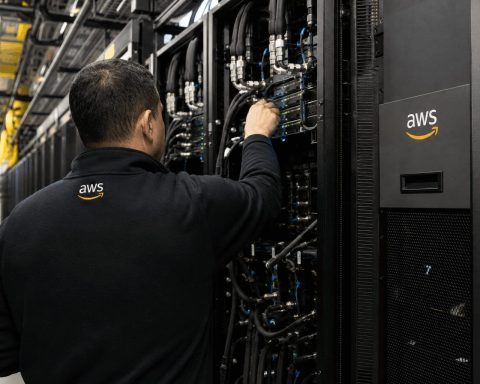
Amazon was less polarizing for investors this time. AWS pulled in $37.6 billion in revenue, up 28%—a solid beat, while CEO Andy Jassy stuck to his $200 billion AI investment target for the year. Jesse Cohen at Investing.com singled out AWS’s sales rebound as “the standout story.” Still, Amazon’s aggressive spending on AI kept investors watchful for the cost impact. Reuters
The Dow’s gains leaned on classic industrial muscle. Caterpillar posted a 22% jump in first-quarter sales and revenue, reaching $17.4 billion, with adjusted profit per share climbing to $5.54. CEO Joe Creed called it a “strong start” and pointed to a record backlog—language that set the machinery giant apart as a more straightforward gauge of industrial growth than most of the day’s tech updates. https://www.caterpillar.com/en.html
Eli Lilly gave non-tech sectors a boost, raising its 2026 earnings and sales outlook thanks to strong demand for its GLP-1 drugs targeting weight loss and diabetes. Analyst Evan Seigerman at BMO Capital Markets said the company’s first-quarter numbers “put concerns to bed.” Lilly reported both Mounjaro and Zepbound topped sales forecasts. Shares of rival Novo Nordisk climbed as well. Reuters
Labor figures gave markets fresh backing. Initial jobless claims dropped by 26,000 to 189,000 for the week ended April 25. That’s well under the 215,000 economists polled by Reuters had expected, pointing to a labor market where companies are holding off on large-scale layoffs, even as energy prices rise and geopolitical risks persist.
There’s a danger the market’s glossing over real threats. Brent crude bounced around, settling close to $110 per barrel after reaching as high as $114.70 overnight. Traders remain glued to fallout from the Iran war. Another surge in oil? That’s pressure on consumers, higher expenses for businesses, and another reason for the Fed to hold off on rate cuts.
Right now, earnings are calling the shots for investors. That puts the rally on a tight leash. Companies need to prove that AI investment, industrial orders, and prescription sales can counterbalance pricier energy and persistent inflation. If they trip up, April’s advance could end up looking overdone instead of refreshed.
Related articles: NASDAQ:AMZN