
ESTERO, Fla., April 30, 2026, 12:05 EDT
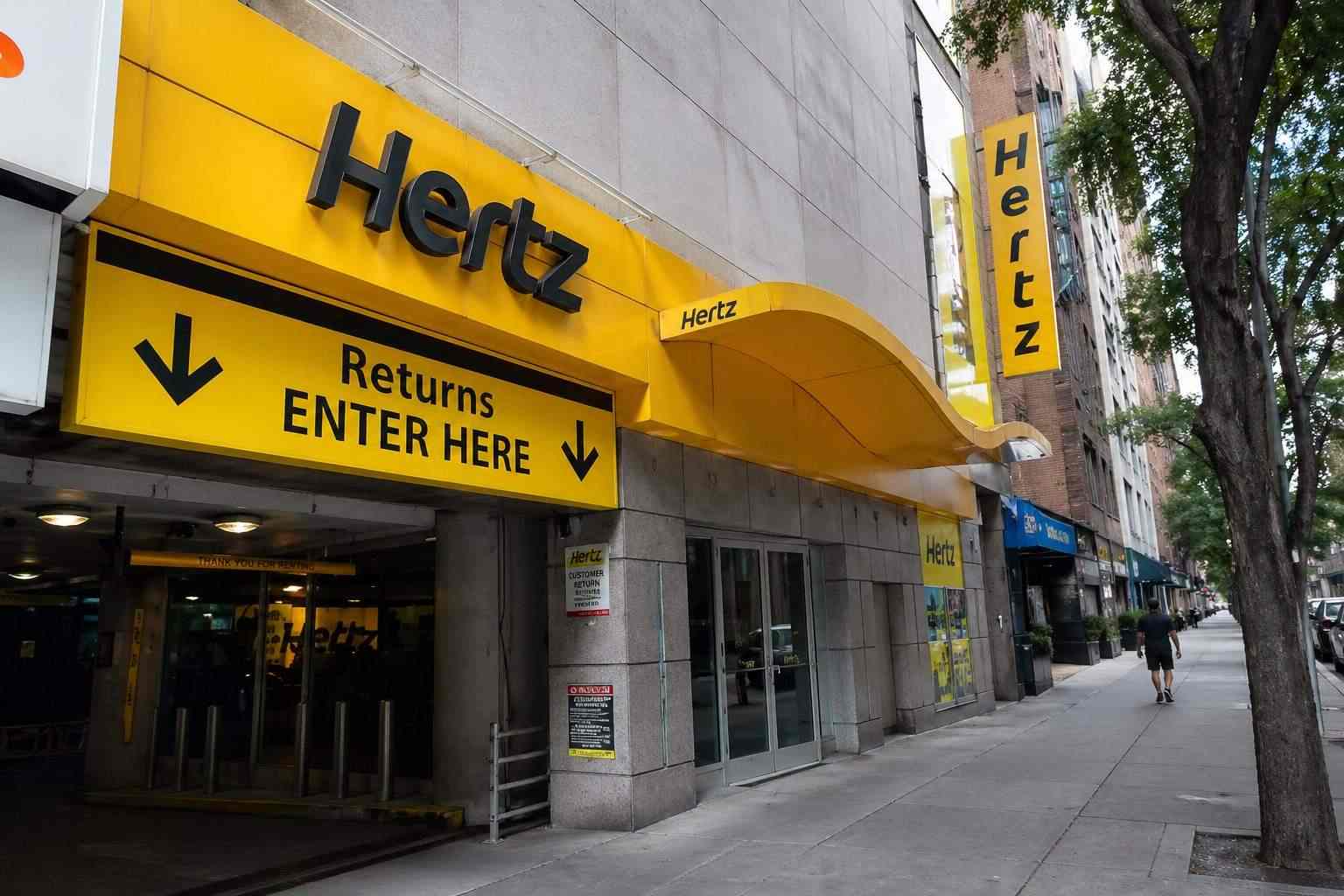
Shares of Hertz Global Holdings Inc. surged over 20% Thursday, after the rental-car giant rolled out Oro Mobility—an affiliate set to oversee both Uber Technologies Inc.’s robotaxi operations and its human-driven fleet in major U.S. cities.
This agreement lets Hertz leverage its bread-and-butter—buying, servicing, cleaning, and shuttling cars—into a spot in commercial mobility fleets, moving beyond its usual airport rental model. For Uber, it means someone else handles the unglamorous backbone of autonomy: charging, fixing, maintaining, cleaning, and staffing depots.
Crunch time for Hertz: first-quarter earnings land May 7. Investors want to see real progress after the company’s expensive fleet overhaul, with vehicle depreciation still biting—cars losing value as they sit or get sold.
Hertz announced that Oro will back Uber’s autonomous push with Lucid cars running Nuro’s self-driving tech. They’re targeting a launch in the San Francisco Bay Area before year-end, and a broader rollout is on the table for 2027.
Oro is set to run fleet services through Uber’s platform, relying on vehicles driven by its own employees. According to both companies, this driver-led approach comes after an Atlanta pilot last year. The service is already up and running in Los Angeles and San Francisco, with Northern New Jersey targeted to go live this spring.
Hertz CEO Gil West described Oro as a way to leverage the company’s fleet expertise for what he called “the next era of mobility.” On Uber’s end, President and COO Andrew Macdonald pointed to the partnership as an opportunity for Uber to “bring the best autonomous technology” onto its own platform. Hertz
Hertz shares popped, trading at $6.80 as of 11:50 a.m. EDT, up $1.20 for the session. Uber slipped 38 cents to $74.09. Avis Budget Group Inc., the nearest U.S. rental-car rival to Hertz, surged $15.88 to $197.03.
Competition in the sector isn’t balanced. On Wednesday, Reuters noted that Avis Budget shares slid again following a second consecutive quarterly loss. U.S. rental-car companies are grappling with stubbornly high costs, more expensive debt, and heavier depreciation on their fleets. Losses linked to earlier electric-vehicle investments have weighed on both Avis and Hertz.
Hertz highlighted the need for fresh revenue streams, posting 2025 revenue at $8.5 billion and a net loss of $747 million for the year. Still, the company pointed to a year-over-year profit improvement of over $2 billion, and wrapped up the fourth quarter with around $1.5 billion in liquidity.
With the announcement, that broader plan gets sharper contours. Hertz previously outlined ambitions for a platform across rental, service, fleet, and mobility. Oro slots in as the intended connector—linking vehicles, self-driving tech, and demand engines like Uber.
Still, key details remain under wraps. No word from the companies on revenue figures, fleet numbers, pricing specifics or how long the contract runs. Their statement also flagged risks, cautioning that projected gains might shift if market or financial factors don’t pan out as planned.
The May 7 earnings release carries added weight this time. Investors want to see if the core rental segment is generating enough cash to keep fueling Hertz’s new mobility plays, even as the company and rivals face stubborn vehicle costs, volatile used-car prices, and a travel sector that’s resilient but leaves little room for error.
Related articles: NASDAQ:LCID