
Detroit, May 1, 2026, 08:08 EDT
- DTE Energy fell short of first-quarter profit expectations as losses from its energy trading unit weighed on results.
- The Detroit utility stuck to its 2026 guidance, highlighting data-center partnerships with Google and Oracle as key growth levers ahead.
- Still hanging out there: a new $474.3 million electric rate request. Michigan’s attorney general isn’t on board, and that’s the key near-term risk for now.
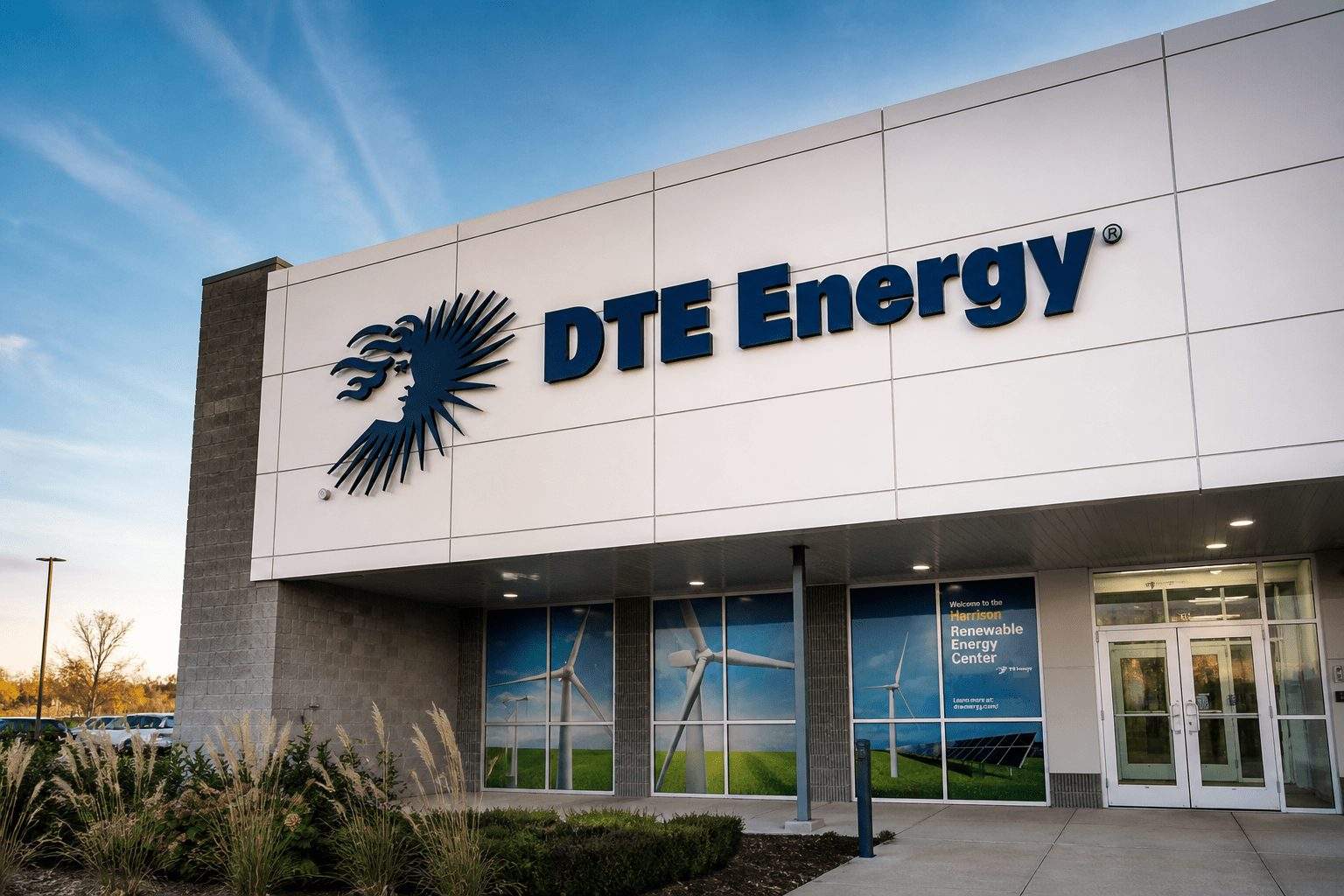
DTE Energy fell short of Wall Street’s first-quarter profit forecasts as losses from its energy trading arm outweighed gains in electric and gas, along with a fresh Google data-center deal aimed at shoring up its 2026 projections. The Detroit utility reported adjusted earnings of $1.95 a share—analysts had been looking for $2.01, based on LSEG figures.
It’s a rough patch for U.S. utilities, with investors eager for proof that surging data center power demand can be channeled into regulated growth. But there’s tension: customers and regulators are already scrutinizing whether those expansions will hike up residential bills. DTE reported over $1.2 billion invested in its utilities last quarter, staying on track for more than $6 billion in spending this year.
DTE posted net income of $247 million for the first quarter, or $1.19 per diluted share, down from $445 million, or $2.14, a year ago. The company’s operating earnings—excluding certain one-offs and mark-to-market impacts—landed at $407 million, or $1.95 per share. That’s a drop from $436 million, or $2.10, in the same quarter last year, according to the company.
The blow from trading showed up fast. DTE’s energy trading arm swung to a $25 million operating loss, after a $34 million profit the year before. DTE Electric, by contrast, saw earnings jump to $218 million from $147 million. DTE Gas nudged slightly higher—earnings ticked up to $210 million, just above last year’s $206 million.
Chief Financial Officer David Ruud pointed to “expected timing” issues in the power portfolio as the reason for trading weakness, but told investors DTE was still “highly confident” about reaching the top end of its full-year guidance for the segment once contracted and hedged positions flip later this year. The company stuck with its 2026 operating earnings forecast of $7.59 to $7.73 a share. The Motley Fool
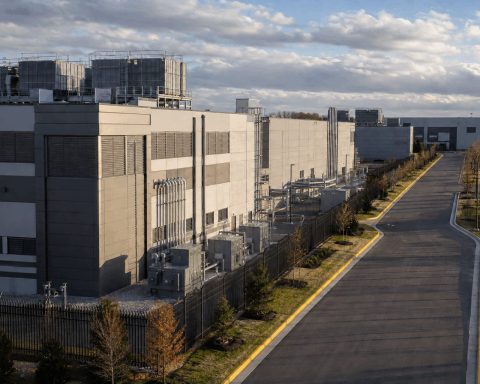
Load growth is the real headline here. DTE has an agreement in place to supply Google’s upcoming 1-gigawatt data center in Van Buren Township, and contracts are now awaiting sign-off from the Michigan Public Service Commission. A gigawatt is no small thing—Reuters, citing utility data, puts it at enough juice for roughly 750,000 homes.
DTE said Google’s deal will have the tech giant covering all costs tied to its energy use—generation, storage, transmission, distribution. On top of that, DTE estimates the arrangement could deliver almost $1.7 billion in affordability benefits for current customers across the contract’s lifespan. The utility also holds approval for a 1.4-gigawatt Oracle data-center project that’s already in the construction phase.
President and Chief Executive Joi Harris told investors that data-center expansion is bringing “real affordability benefits,” since big new customers help distribute fixed grid costs across more users. Harris pointed to the Google project, along with other data-center deals, as providing potential upside to DTE’s long-term outlook. The Motley Fool
The company presentation flagged the Google load to hit full ramp by late 2028, potentially spurring up to $5 billion in extra generation and storage investment through 2032. DTE, for its part, mentioned it’s already deep in talks with other hyperscale customers for around 2 gigawatts of additional demand, and it’s eyeing another 3 to 4 gigawatts in the queue.
DTE finds itself lining up with peers like Entergy, which this week boosted its four-year capital spending plan roughly 33% to $57 billion—mostly for energy infrastructure tied to Meta’s data centers. Reuters noted that U.S. power demand reached records in 2025, with more growth expected this year as tech firms ramp up large-scale data center construction.
DTE wants regulators to sign off on more funding. The company says its electric division just filed a $474.3 million rate hike proposal, citing investments in grid and generation projects. That kicks off a review process expected to stretch about 10 months, with the Michigan Public Service Commission looking to rule by late February 2027.
Michigan Attorney General Dana Nessel plans to step in, describing the proposed 9.7% hike for residential customers as coming just two months after a $242.4 million rate increase secured approval. She criticized DTE’s conditional pledge to hold off on more rate requests, calling it “a ransom note.” Nessel also argued consumer advocates still hadn’t seen evidence that data-center contracts would actually benefit customers. Michigan
DTE insists its current rate filing excludes costs tied to data centers, adding that those users won’t see their bills shifted to other ratepayers. The company noted it plans to hold off on submitting another electric rate request until at least 2028—if its first data-center project is up and running by the close of 2027 and it secures additional approvals.
Regulatory hurdles and execution risks are front and center. Google’s contract hasn’t cleared all approvals yet, and hitting the capital buildout timeline is essential. For DTE, the earnings outlook leans on a rebound in trading, tax credits, and getting customers to buy into the idea that higher usage might actually bring bills down, not up. In its own SEC filings, DTE lists a mix of regulatory decisions, cost recovery, swings in commodity markets, and possible delays in construction as variables that could throw its forecasts off track.
Related articles: Data Centers