
TORONTO, April 27, 2026, 17:04 (EDT)
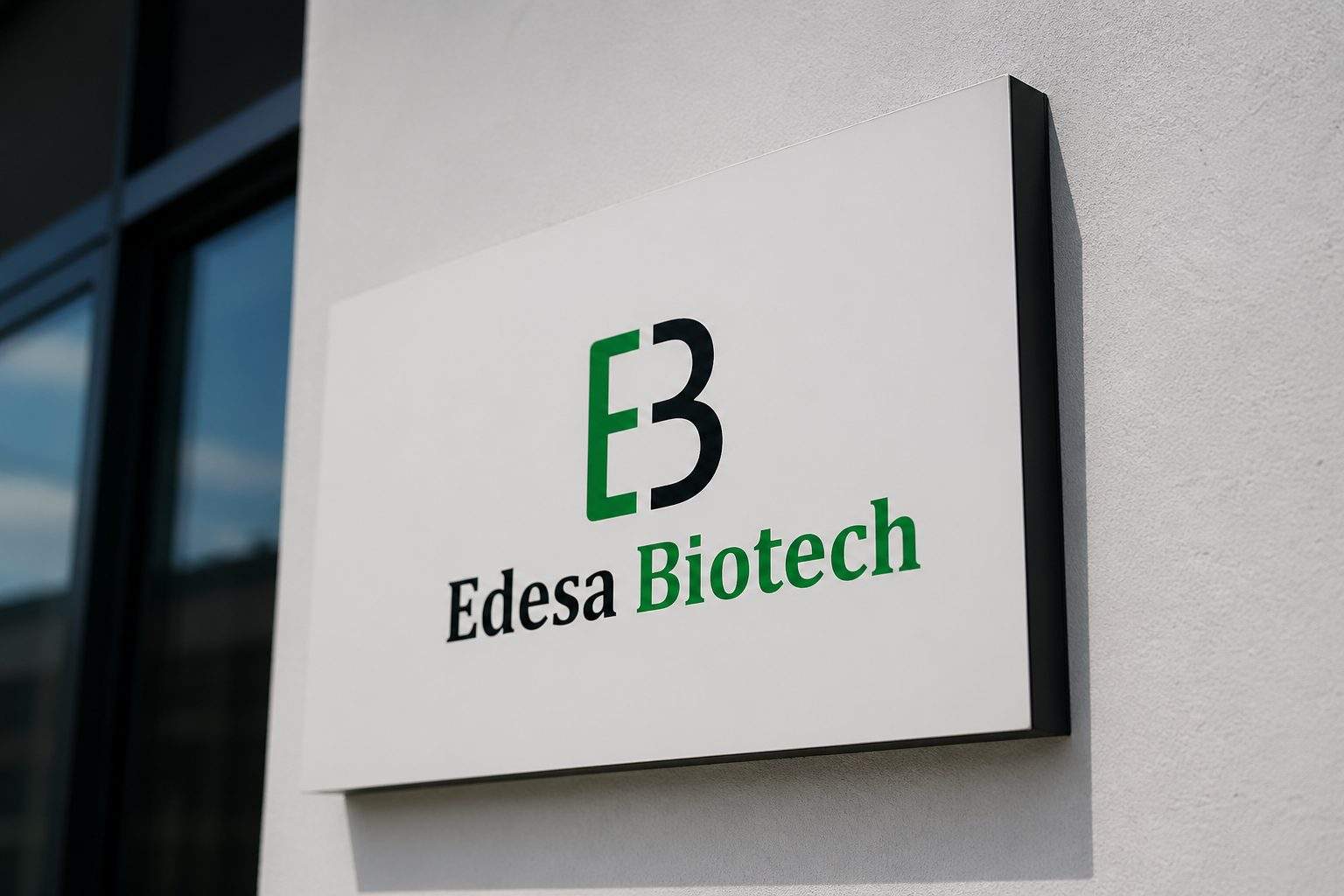
Edesa Biotech Inc. (EDSA) surged 53.9% to finish Monday at $11.17 on Nasdaq, after opening the day at $7.38 and reaching as high as $11.87. Trading volume spiked close to 9.0 million shares—a notable swing for the small clinical-stage biotech, especially considering its most recent company news release was nearly a month old.
This shift is drawing attention as traders revisit Edesa’s respiratory data from February, just ahead of a pair of May presentations set for the American Thoracic Society meetings. On its news page, Edesa highlights a March 31 respiratory conference update and a March 26 release on vitiligo, with the Phase 3 paridiprubart announcement still marked as Feb. 24.
Chief Executive Par Nijhawan has been tapped to give an oral showcase presentation on May 15 at the ATS 2026 Respiratory Innovation Summit, the company said. Separately, Ted Steiner—principal investigator for the Phase 3 trial—is set to present the study’s results on May 20 at the ATS International Conference. Nijhawan described the invitation as an “important validation” of the dataset. GlobeNewswire
Paridiprubart, or EB05, targets acute respiratory distress syndrome—ARDS—a critical respiratory failure. Edesa says the therapy is an antibody that blocks TLR4, an immune-signaling protein linked to inflammation triggered by infection, injury or trauma.
February’s figures still drive sentiment. Edesa reported that paridiprubart cut adjusted 28-day mortality in 278 randomized patients to 24% versus 33% for those on standard care plus placebo—a relative risk reduction of 27%. Adverse-event rates stayed low and consistent across both groups.
When it comes to a company this size, those figures do the talking. Edesa, based in Markham, Ontario, reported an accumulated deficit of $68.2 million as of Dec. 31 in its latest quarterly filing, with $12.1 million left in cash and cash equivalents after burning through $2.1 million in operating cash for the quarter.
Edesa’s second program is edging closer to the clinic. On March 26, the company tapped JSS Medical Research as its clinical research organization for a planned Phase 2 study testing EB06 in people with moderate-to-severe nonsegmental vitiligo. Edesa stuck with its target for site activations and patient recruitment to kick off by mid-2026. Trial design, Nijhawan noted, took cues from feedback by both patients and physicians.
Edesa isn’t in the vitiligo space just yet, but it’s now close to it. For context, investors have Opzelura from Incyte—a ruxolitinib cream approved in the U.S. for nonsegmental vitiligo in patients 12 and up—as a commercial benchmark to watch for Edesa’s skin-disorder portfolio.
There’s a clear disconnect in the data: Monday’s price didn’t line up with where analysts say Edesa should land. According to MarketBeat, Edesa carries a “Hold” consensus from two analysts, and their 12-month average target sits at $5. The breakdown: H.C. Wainwright’s Yi Chen is on Buy at $5, while Weiss Ratings sticks with Sell. MarketBeat
The surge doesn’t offer much buffer against clinical or funding hiccups. Edesa has warned: its drug prospects might not secure approval or deliver results, and affordable capital could be out of reach. The company disclosed in a recent filing it raised roughly $3.4 million, net, by selling 1.18 million shares via its at-the-market program in the December quarter.
The bigger question now: does the stock keep its gains? And beyond that, will ATS presentations, regulatory discussions, and potential partners be enough to turn this standout ARDS dataset into a late-stage program that actually attracts funding?