
Calgary, Alberta, April 25, 2026, 12:05 MDT
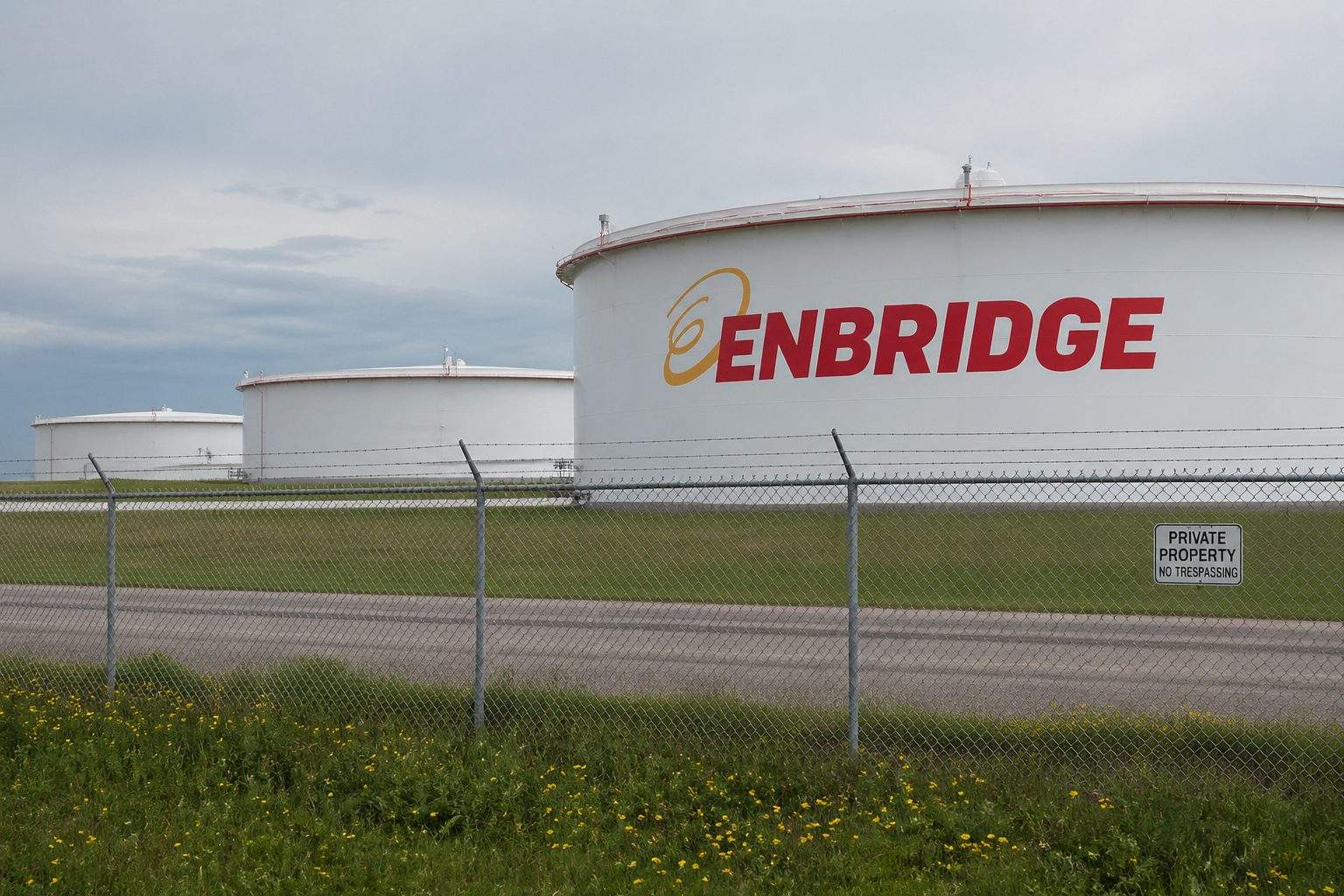
Enbridge Inc. secured a green light from Canada for its C$4 billion Sunrise Expansion in British Columbia, marking a significant boost for the Calgary pipeline operator and the first major pipeline signoff by Prime Minister Mark Carney’s government. The expansion adds capacity to Enbridge’s Westcoast natural gas system, which channels gas from the province’s northeast down to southern destinations.
Timing is key here, as Ottawa wants to prove it can move big resource projects along more quickly, especially with Canada seeking energy export options outside the U.S. The expansion also connects to growing industrial and LNG demand in British Columbia—LNG meaning liquefied natural gas, shipped in liquid form by tanker—covering projects like Woodfibre LNG, where Enbridge holds a 30% stake.
The Sunrise project tacks on 300 million cubic feet a day of transport capacity—essentially, a boost in daily gas flow through the pipeline. Right now, Enbridge’s Westcoast system moves roughly 3.6 billion cubic feet per day, channeling gas from fields in northeastern B.C. and northwestern Alberta down to the Canada-U.S. border.
Enbridge plans to add new pipeline stretches, boost gas compression, and upgrade older facilities as part of the build. Construction is slated to kick off in July 2026, aiming for service by late 2028. Chief Executive Greg Ebel described Sunrise as “shovel-ready,” and said the project lines up with Canada’s push to grow energy exports. Enbridge
Enbridge’s head of gas transmission and midstream, Matthew Akman, called the approval timeline quicker than what’s happened with other Canadian projects, but said it still dragged on too long. “A stronger sense of purpose” is coming from Ottawa, Akman told reporters, yet after close to four years of work, Enbridge is still waiting to break ground. CityNews Halifax
Enbridge shares edged up 1.3% Friday, a muted reaction against the S&P/TSX energy sector’s 1.4% slide. Oil prices slipped 1.5% to $94.40 a barrel. With Canadian markets shuttered on Saturday, those figures stand as the most recent snapshot.
The federal government estimates the project may boost Canada’s GDP by over C$3 billion, bring in upwards of C$700 million in tax revenues at both federal and provincial levels, and support around 2,500 jobs at construction’s height. Natural Resources Minister Tim Hodgson called the approval evidence Ottawa is able to get projects “approved and built.” Canada
Indigenous groups still hold a stake here. Right now, about 12.5% of the existing Westcoast system sits with the Stonlasec8 Indigenous Alliance—38 groups in B.C. represented in that partnership. According to the government, Enbridge’s Sunrise project has pulled in over C$52 million in contracts and hiring with Indigenous businesses.
Enbridge now finds itself up against plenty of competition in western Canada’s gas sector. TC Energy’s Coastal GasLink, for instance, has locked in commercial agreements with LNG Canada to push ahead with a second phase—though that’s awaiting a final investment decision. Pembina Pipeline, on the other hand, reports that Cedar LNG is tracking to plan, both on budget and timing, with a late-2028 startup still in sight.
Risks remain. The Canada Energy Regulator signed off on the project, but only with 47 binding conditions related to safety, Indigenous engagement, and environmental safeguards. Alex Walker at Environmental Defence Canada slammed the move as a “disastrous climate decision.” Any snag—whether delays, cost overruns, or soft LNG demand—would undercut what Enbridge and Ottawa hope to achieve. Canada Energy Regulator
Enbridge flags the usual headaches—labour, materials, unpredictable weather, supply chains, courtrooms, regulators, and customer backing. All of them threaten project timelines and budgets. So Sunrise isn’t wrapped up; it’s a question mark on whether Canada’s quick-permit ambitions will actually get anything built.
Enbridge is set to release first-quarter numbers before the bell on May 8, marking the next big update for investors. For 2026, the company maintains its adjusted EBITDA outlook in the C$20.2 billion to C$20.8 billion range. It also plans to put roughly C$10 billion of growth capital to work this year, not counting funds allocated for maintenance.