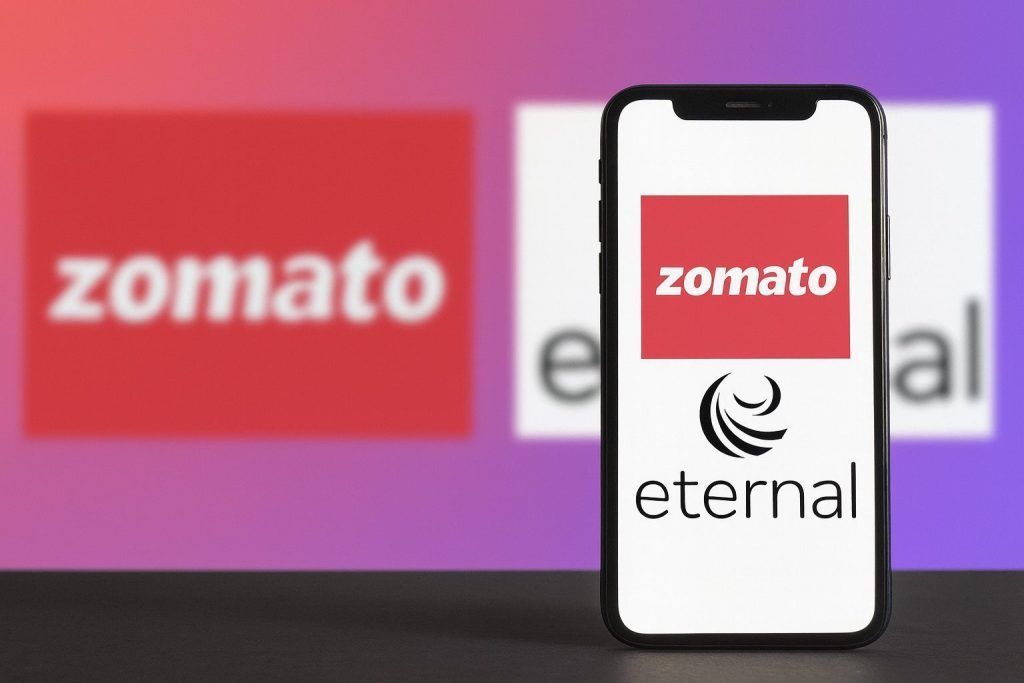

Dec. 13, 2025 (Saturday) — Eternal Limited (formerly Zomato Limited) is back in the spotlight this weekend as investors digest a fresh headline around one of its portfolio bets while also tracking the stock’s post-October cooling phase. With Indian markets closed today, the most recent reference price is Friday’s close: ₹298.05, putting the stock about 19% below its 52-week high of ₹368.45 (set on Oct. 16, 2025).
The headline grabbing attention on Dec. 13 is not an earnings release from Eternal itself, but an IPO filing update from Shiprocket, an e-commerce enablement platform backed by Eternal and other marquee investors. That development lands at a moment when Eternal’s shareholders are already laser-focused on two things: (1) how quickly its quick-commerce engine can scale without permanently torching margins, and (2) whether recent heavy institutional trading is “distribution” or simply liquidity in a widely held megacap internet name.
Below is what’s new today, what analysts are forecasting, and the key debate framing Eternal’s stock narrative right now.
What’s new today: Shiprocket files updated DRHP — Eternal is a key backer, but not selling
Multiple business outlets reported on Dec. 13 that Shiprocket has filed an updated draft red herring prospectus (DRHP/UDRHP) with SEBI for a proposed IPO sized at about ₹2,342 crore, comprising a fresh issue of up to ₹1,100 crore and an offer-for-sale (OFS) of up to ₹1,242 crore.
Why Eternal investors care: Eternal holds a reported ~6.85% stake in Shiprocket, and notably, coverage indicates Eternal is not participating in the OFS. In plain English: Eternal isn’t using the IPO to cash out immediately (at least via the OFS portion), which can be read as either (a) a vote of confidence in longer-term upside, or (b) simply a portfolio/lock-up/strategic choice that preserves optionality.
Business Today’s coverage also listed the book-running lead managers as Axis Capital, BofA Securities India, JM Financial, and Kotak Mahindra Capital, and noted Shiprocket’s shares are proposed to be listed on the NSE and BSE.
How this can matter to Eternal’s stock (and how it might not)
- Potential sentiment lift: A high-profile IPO process can remind the market that Eternal has venture-style optionality beyond its core Zomato/Blinkit engines (though Shiprocket is not the core driver of Eternal’s consolidated financials).
- Valuation optics, not immediate cash: Because Eternal isn’t flagged as an OFS seller in these reports, the near-term impact is more about mark-to-market perception than a direct capital inflow.
- Risk reminder: IPO cycles can slip. Regulatory timelines, market windows, and pricing are uncertain—and investors should treat “IPO filed” as “process started,” not “value unlocked tomorrow.” The Economic Times
Eternal share price check: where the stock stands heading into the new week
With markets shut on Saturday, the latest close remains ₹298.05 (Dec. 12). Key reference points from widely tracked market data:
- 52-week range:₹194.80 (Apr. 7, 2025) to ₹368.45 (Oct. 16, 2025) FT Markets
- Distance from peak: roughly -19% vs. the 52-week high FT Markets
- Market cap: data providers cluster around the ₹2.6 trillion range (about ₹2.6 lakh crore) at current prices FT Markets
That “down from highs” framing matters because Eternal’s stock has been trading in a story-driven zone: fast growth, expanding quick commerce, and a market still deciding what long-term profitability should look like once the land-grab phase cools.
The institutional flow story: December’s ₹1,535 crore block deal and what it signaled
One of the most important near-term market structure events for Eternal was the block deal on Dec. 8, when 5.3 crore shares (about 0.54% of equity) changed hands at roughly ₹290.4 per share, implying a deal value around ₹1,535 crore based on exchange data cited by market coverage.
Coverage noted the deal was executed at a small discount to the prior close, and that the stock slipped after early gains on the day.
This matters for investors because big block prints often function like a pressure-release valve: they can either (a) clear an overhang and stabilize price discovery, or (b) confirm that large holders are taking chips off the table. The stock’s behavior after the block deal—and whether further large supply appears—often influences short-term momentum more than fundamentals do.
“Why did the stock bounce this week?” ESG rating update and subsidiary clean-up
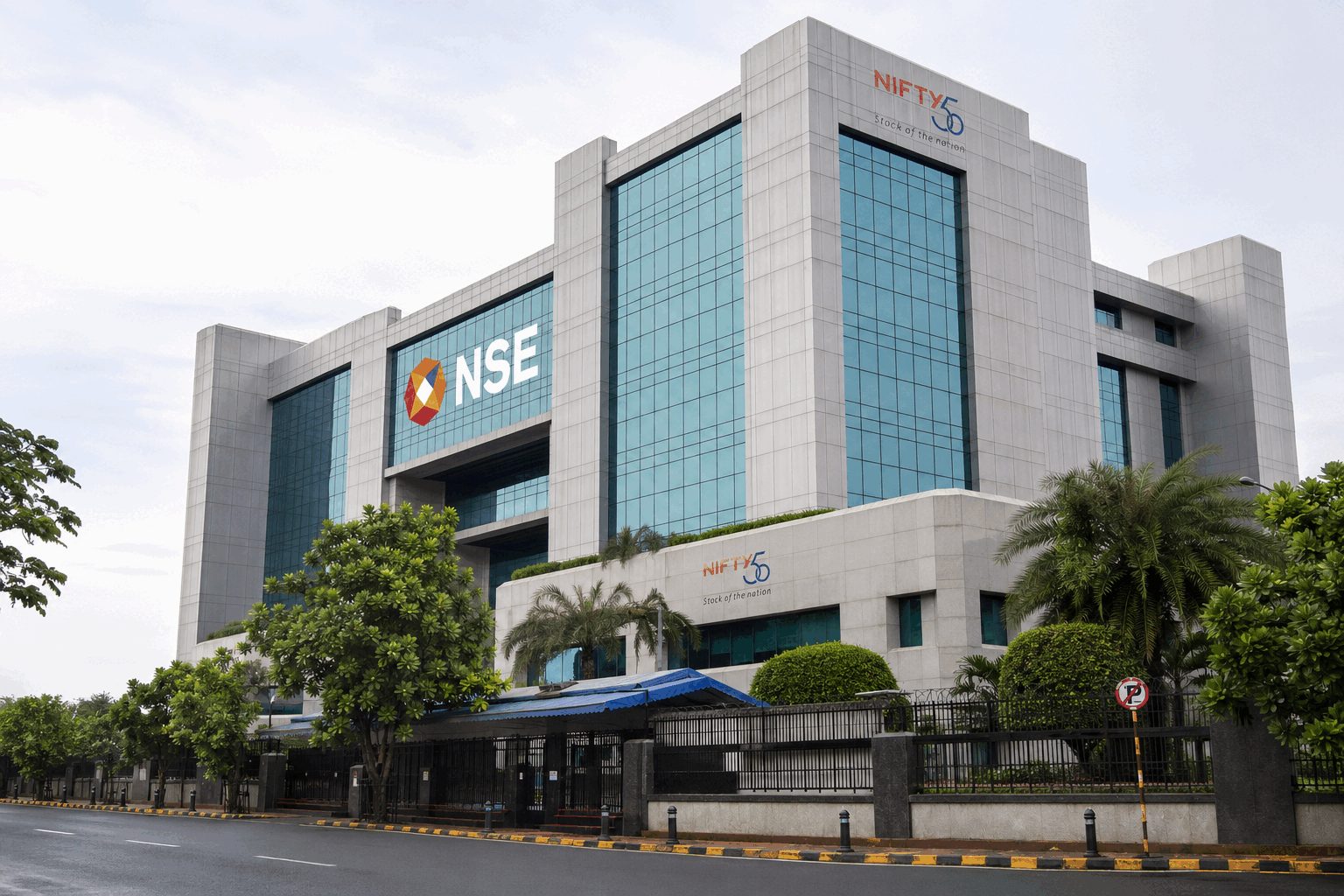
A separate mid-week catalyst came on Dec. 11, when Business Standard reported Eternal moved higher after the company disclosed updates including an ESG rating assignment. According to the report, NSE Sustainability Ratings & Analytics Limited assigned Eternal an ESG Rating of “77” (category: “Leader”) for FY2025, as communicated to the company via email dated Dec. 9, 2025. Business Standard
The same report also referenced corporate housekeeping: dissolution/liquidation steps involving smaller overseas entities (Sri Lanka and Turkey), described as not material subsidiaries and not expected to affect turnover/revenue.
This isn’t the kind of news that rewrites a growth thesis, but it can matter at the margin for institutional positioning—especially as more global pools apply formal ESG screens.
Forecasts and price targets: what analysts are projecting as of Dec. 13, 2025
Forecasting for Eternal remains notably bullish on the direction of travel, but with wide dispersion on how much upside is left after a strong multi-year run and a still-evolving profit profile.
Aggregated “consensus” targets
- Investing.com’s consensus estimates show an average 12‑month target near ₹382.97, with a high estimate around ₹483 and a low estimate around ₹200 (based on a larger analyst set tracked by the platform).
- Trendlyne also surfaces a consensus-style view indicating targets in the high-₹300s range relative to the current price area.
These are not guarantees—they’re snapshots of broker models, typically updated around earnings and major channel-check cycles. But the overall message is clear: the Street largely sees Eternal as a structural winner in India’s online consumption stack, even if the stock can be volatile.
High-profile brokerage takes still framing the bull case
Two widely circulated global-broker narratives from late 2025 continue to shape investor expectations:
- Morgan Stanley (Nov. 18, 2025): Economic Times reported the firm raised its target price to ₹427 and reiterated an Overweight view, arguing the post-correction window looked attractive. The same report referenced a stress-case downside zone around ₹280–₹285.
- J.P. Morgan (Sep. 11, 2025): Economic Times reported the bank raised its target price to ₹390 from ₹310, maintaining an Overweight stance, driven primarily by Blinkit’s growth trajectory, service levels, and footprint expansion—explicitly favoring TAM (total addressable market) expansion over near-term profit maximization.
You don’t need to agree with these targets to notice the shared logic: quick commerce leadership + execution strength = long-duration growth runway, with profitability treated as a “timing and slope” problem rather than a binary yes/no.
The correction narrative: down from October highs, and traders watching key zones
Eternal’s post-October price action has fueled a steady stream of “is this the dip?” commentary.
Economic Times framed it this way in a piece updated Dec. 12: Eternal had slipped materially from its Oct. 16 peak, with selling pressure persisting across a large number of sessions after Q2 results, even as some observers argued the long-term growth story remained intact.
On the technical side, platform indicators vary (because timeframes and calculation methods differ), but Moneycontrol’s technical page shows the stock’s recent session range (₹288.60–₹299.00) and publishes indicator snapshots such as RSI and moving averages.
If you’re watching this like a market mechanic rather than a novelist:
- Round-number psychology tends to cluster around ₹300.
- Prior coverage has highlighted ₹280–₹285 as a downside reference zone in “stress” language from at least one major brokerage note. The Economic Times
Technical levels don’t predict the future—but they do influence how real traders place real orders, which can become self-reinforcing in the short run.
The fundamentals in one paragraph: what Eternal actually is (and why it’s hard to value cleanly)
Eternal Limited (formerly Zomato Limited) operates multiple consumer and B2B verticals anchored by its food delivery and quick-commerce businesses. Reuters’ company profile describes four major businesses: Zomato, Blinkit, District, and Hyperpure, spanning food ordering/delivery, quick commerce, going-out, and restaurant supply.
That mix matters because it’s not a single-engine company anymore. Investors are effectively pricing a portfolio where Blinkit (quick commerce) has become the center of gravity for growth expectations, while the market debates how quickly losses can normalize as the network matures.
The bull vs. bear case investors are actually trading
The bullish argument
- Category leadership in quick commerce: Broker notes cited in Economic Times have emphasized Blinkit’s footprint expansion, service levels, and ability to compete without “infinite discounts,” with the thesis that market leadership today can convert into profit pool access later. The Economic Times
- Optionality beyond the core: The Shiprocket IPO process is a reminder that Eternal has stakes and adjacency plays that can periodically surface value or narrative momentum.
- Institutional relevance: Mega liquidity, index presence, and recurring analyst coverage keep Eternal in the “must-own / must-track” set for many India-focused portfolios—even when sentiment wobbles.
The cautious / bearish argument
- Valuation and profit optics: Even optimistic coverage acknowledges that downside fears have been linked to stretched valuations and quick-commerce losses.
- The quick-commerce arms race is expensive: Market coverage around the stock has repeatedly tied near-term pressure to the reality that expansion (dark stores, service levels, selection breadth) costs money before it prints profits.
- Big supply can appear without warning: December’s large block trade shows that meaningful selling can hit the tape fast—creating air pockets or whipsaws that fundamentals don’t explain in real time.
What to watch next (the practical checklist for the coming weeks)
- Shiprocket IPO timeline and terms
Filing updated papers is a step, not a finish line. Watch for SEBI observations, timing, and (eventually) pricing—because IPO comps can impact how investors “mentally mark” Eternal’s stake value. The Economic Times+1 - Any further large trades / stake movements
The Dec. 8 block deal confirmed deep liquidity—but also that large holders can move size. Another wave of blocks could dominate near-term price action. - Signals on quick-commerce discipline
The market is hypersensitive to evidence that growth is durable and losses are containable. Notes from major brokerages have effectively framed the trade-off as “TAM now, profits later”—so anything that changes that timeline (competition intensity, discounting, unit economics) can re-rate the stock. The Economic Times+1 - Governance, filings, and ratings
ESG and corporate structure updates may not dominate headlines every week, but they can affect marginal demand from institutions operating with formal screens.
Bottom line
As of Dec. 13, 2025, the most actionable “new” development for Eternal Limited stock watchers is the Shiprocket IPO filing update, which keeps Eternal’s investment ecosystem in focus even as the stock itself consolidates below its October highs. Business Today+1
The bigger picture remains a classic growth-market paradox: Eternal is being priced as a long-duration compounder in India’s digital consumption story, but it’s also being traded day-to-day like a high-beta battleground stock—sensitive to competition, discounting intensity, and the market’s patience for profitability timelines.