
New York, May 14, 2026, 06:03 EDT
- Fervo Energy’s Class A common shares finished their Nasdaq debut at $36.54, a jump of 35.3% over the $27 IPO price. The stock then eased to $35.55 ahead of the bell.
- The geothermal developer pulled in $1.89 billion, moving 70 million shares in a larger-than-planned offering that came in above the initially marketed range.
- Fervo’s potential contracted revenue backlog clocks in around $7.2 billion, but the power developer is still young and running at a loss.
Fervo Energy’s Class A shares edged lower ahead of Thursday’s session, following a sharp rally that pushed the Houston geothermal firm’s valuation past $10 billion in its Nasdaq debut. The ticker, FRVO, has quickly become another Wall Street wager on AI-related energy demand.
Shares ended Wednesday at $36.54, a jump of 35.3% above the $27 IPO level. Early Thursday, the stock was indicated at $35.55, off 2.7%, Google Finance data showed.
Why does this matter? With investors weighing how much pressure data centers, EVs, and factories are placing on the U.S. grid, Fervo’s pitch stands out. The company is offering geothermal power designed to operate around the clock—something wind and solar can’t always manage because they’re tied to weather.
Fervo pulled in $1.89 billion from the sale, moving 70 million shares—an uptick from the original 55.6 million planned. The company expects to wrap up the offering on Thursday, pending standard closing conditions.
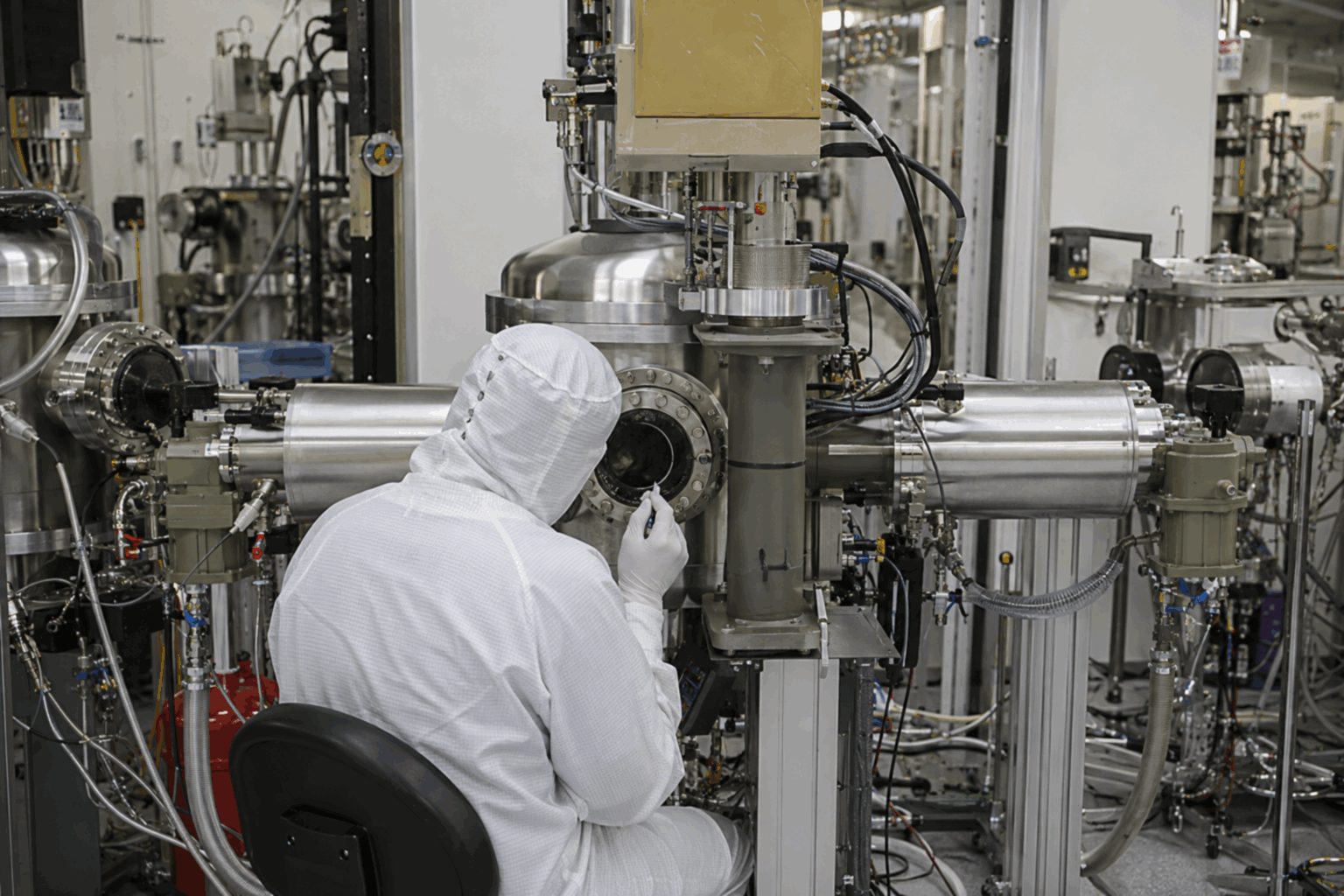
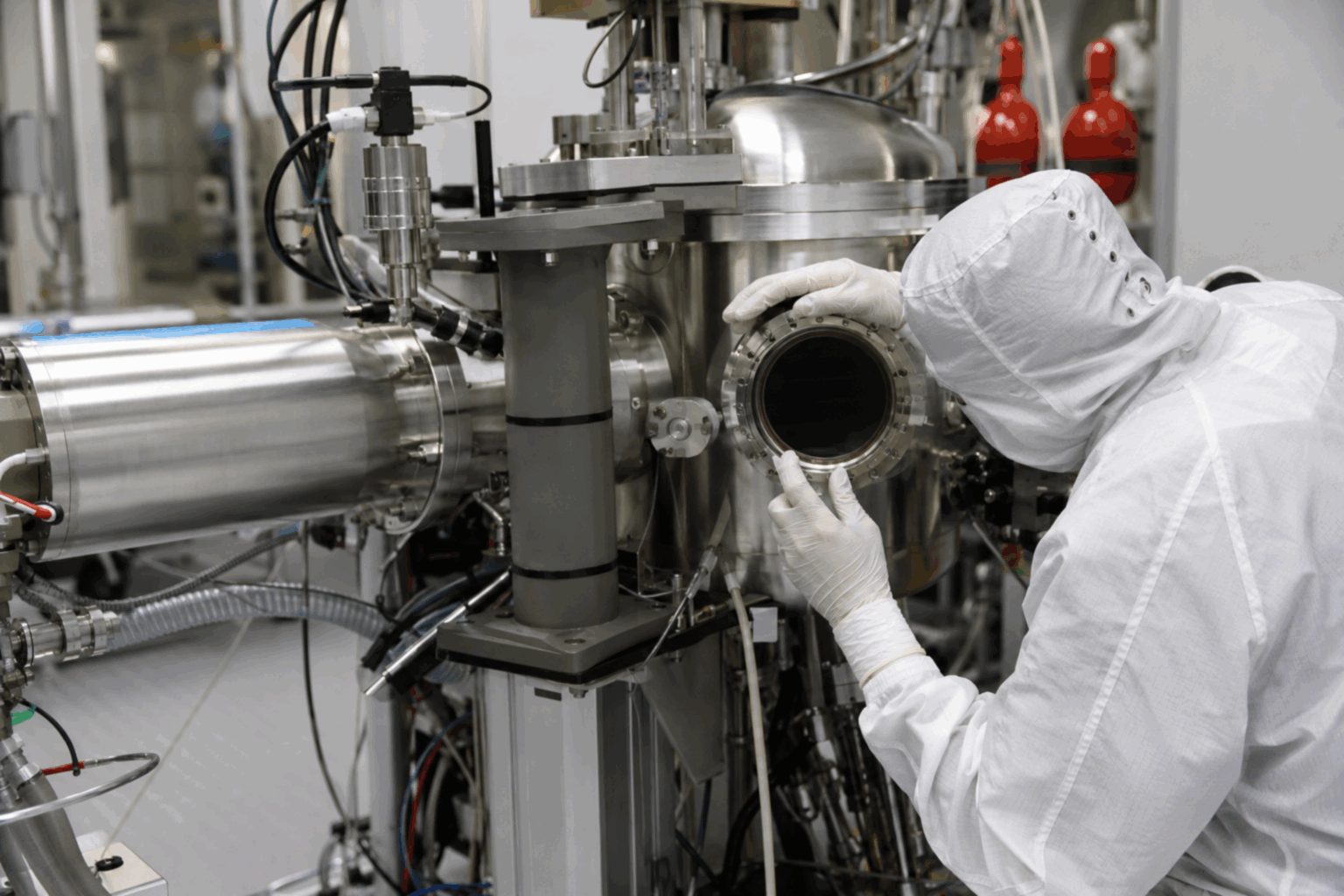
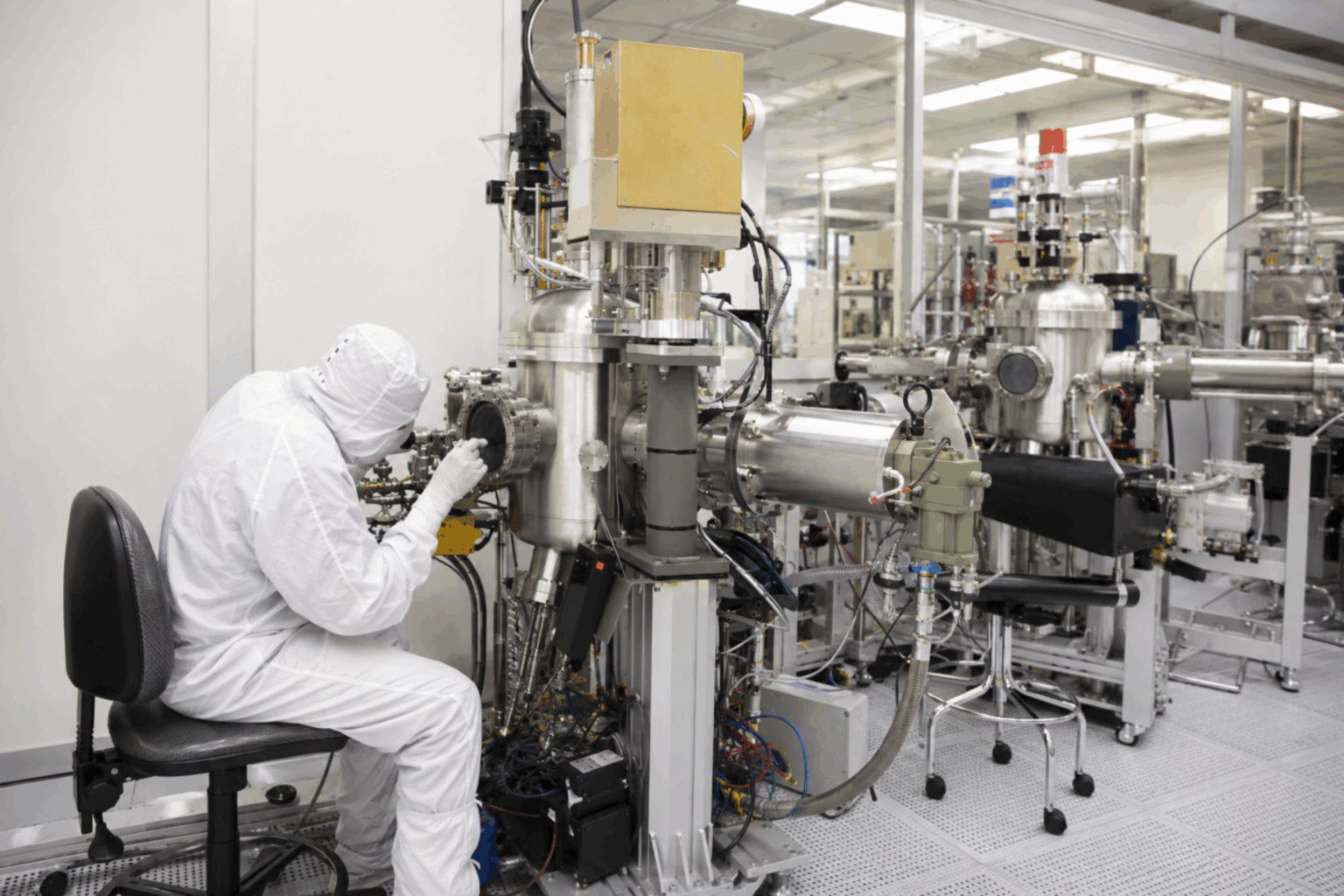
Enhanced geothermal systems (EGS) tap into heat trapped in rock formations where traditional geothermal methods fall short, relying on drilling and engineered reservoirs. Fervo’s approach borrows from shale oil and gas—horizontal drilling and multi-stage hydraulic fracturing—to turn that deep heat into electricity.
CEO Tim Latimer spoke to Reuters about a “growing awareness” in Washington regarding geothermal’s potential. Latimer pointed out that Fervo is able to “generate a lot of electricity on a small amount of land,” and said that this compact footprint has attracted interest from both sides of the aisle. Reuters
Agreements are already in place with Southern California Edison, Shell, and Alphabet. The company pointed to about $7.2 billion in potential contracted revenue backlog stemming from power-purchase deals. Its inaugural commercial facility aims to start delivering electricity before 2026 closes.
The Cape Station project in Beaver County, Utah, stands out in Fervo’s expansion plans. Back in March, Fervo announced $421 million in non-recourse funding to kick things off. The first phase should start delivering power in 2026, ramping up to around 100 megawatts by early 2027. Longer term, the company aims to scale the site up to 500 MW.
“Non-recourse financing has historically been considered out of reach for first-of-a-kind projects,” Fervo Chief Financial Officer David Ulrey said. RBC Capital Markets’ Sean Pollock called EGS “a core energy asset class” for infrastructure lenders. Business Wire
Competition is shifting. Back in February, Ormat Technologies—an established geothermal player—announced a long-term geothermal power-purchase deal with NV Energy for up to 150 MW to help power Google’s Nevada facilities. CEO Doron Blachar pointed to surging electricity demand driven by AI, arguing geothermal stands ready to provide steady, carbon-free energy.
Prediction-market traders were quick to follow. Once the market resolved, Polymarket’s contract for Fervo’s IPO closing market cap locked the “$10.0B+” result at 100%, showing $57,700 in volume, per the platform’s market page. Polymarket
Scale is the obstacle here. According to Reuters, Fervo posted a $57.8 million net loss on just $138,000 in revenue for 2025, citing figures from its IPO filing. Any future public-market value will ride on whether projects now under construction can actually start delivering steady power and generate sales. Drilling expenses, transmission hurdles, and how the reservoirs perform—all of these could determine how much of that project pipeline turns into real money.


![UK Stock Market Today 24/08/2026 [UPDATE: 07:52 BST] [FTSE Slips as Oil Drop Offsets Gold’s Safe-Haven Bid]](https://ts2.tech/wp-content/uploads/2026/08/UK-market-dashboard-2026-08-24-0752-480x384.jpg "UK Stock Market Today 24/08/2026 [UPDATE: 07:52 BST] [FTSE Slips as Oil Drop Offsets Gold’s Safe-Haven Bid]")