
NEW YORK, June 3, 2026, 15:04 (EDT)
- Grab was last at $3.395 on Nasdaq, off by 5.7% in afternoon trading. It hit $3.39 earlier in the session. About 39.9 million shares changed hands.
- Stocks lost ground on a soft U.S. session. The Nasdaq Composite shed 0.76%. The S&P 500 dropped 0.50%. Oil prices and Middle East risks weighed.
- Grab posted first-quarter revenue of $955 million, up 24%. Adjusted EBITDA came in at $154 million, up 46%. Adjusted EBITDA cuts out interest, taxes, depreciation, amortization and some other items.
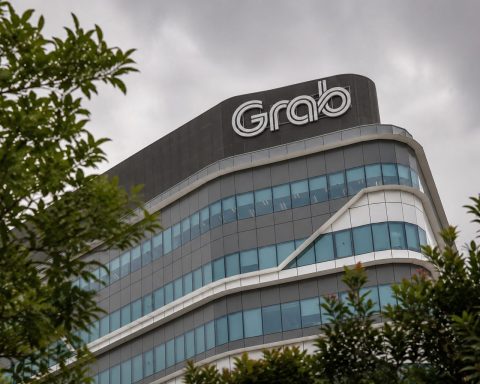
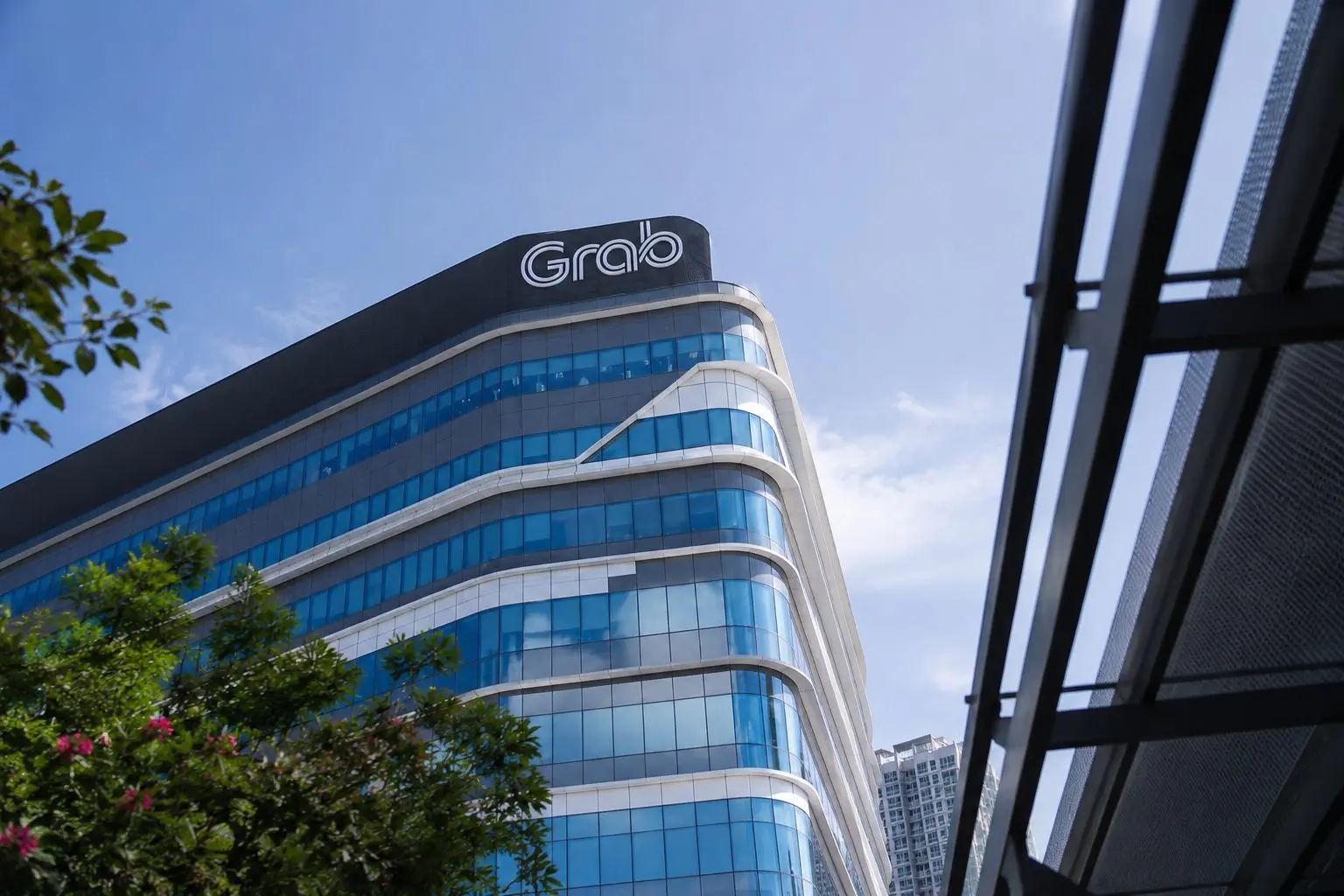
Grab Holdings shares dropped sharply on Wednesday in busy trading on the Nasdaq, hitting session lows as growth and consumer-internet stocks sold off in a wider market slump.
That shift comes less than a month after the Singapore ride-hailing and delivery company posted faster revenue growth and record adjusted earnings. But the market is looking at a different angle for now—whether the revenue gains hold if fuel prices keep climbing, consumers stick to cheaper options, and regulators in Indonesia get tougher.
Wall Street didn’t help. Reuters said big U.S. indexes dropped, weighed by inflation fears after crude prices climbed and Middle East tensions stayed high. Tech and financial stocks were among the worst hit. Oil is a key factor for Grab since drivers and couriers pay for fuel up front, and the platform is left to figure out what part of the jump to take on.
Grab’s first-quarter revenue rose 24% year-on-year to $955 million. On-demand GMV, which measures the total value of rides, food orders and other platform activity before deductions, also grew 24% to $6.1 billion. Profit climbed to $120 million, up from $10 million a year ago.
Grab CFO Peter Oey said the first quarter kept the company “firmly on track” for its 2026 revenue goal of $4.04 billion to $4.10 billion and adjusted EBITDA of $700 million to $720 million. Grab also cited its $500 million share buyback plan, which includes March agreements to repurchase $250 million and up to $150 million more of Class A shares. Grab
Grab keeps spending to hold onto growth. The company reported $650 million in total incentives for the quarter. On-demand incentives made up 10.5% of GMV, 46 basis points higher than last year. A basis point equals one-hundredth of a percent. Grab said the jump came from more partner support during festive demand and higher fuel prices.
The company relied on cheaper offerings to keep users coming back. CFO Oey told Reuters about 35% of users were on its “Saver” programme, which has lower-priced delivery options. Deliveries revenue was up 23% to $510 million. Mobility revenue rose 19% to $337 million. Reuters
Grab is still facing competition. The company said in March it would buy Delivery Hero’s Foodpanda delivery unit in Taiwan for $600 million, marking its first push beyond Southeast Asia. Closing is expected in the second half of 2026 if regulators sign off on the deal. Delivery Hero CEO Niklas Oestberg said the sale was the beginning of their strategic review. Aspex Management, an investor, said further steps are needed.
Indonesia could move the market more. President Prabowo Subianto said in May the government plans to lower the top commission ride-hailing firms can charge drivers to 8% from 20%. Reuters said the move would hit both Grab and GoTo. The president didn’t give a timeline for when the change would start.
Grab is betting on scale, AI and lower-cost shared rides. CEO Anthony Tan told Reuters in April that “fuel costs were real for everyone,” and said the company would keep “doubling down” in Indonesia. Grab launched new AI-driven products, including a group-ride option that it said could cut customer fares by as much as 40%. Reuters
Financial services added to growth for the quarter, with revenue up 43% to $107 million. Lending from GrabFin and digital banks helped drive it, as total loans disbursed climbed 67% to $1.1 billion. Adjusted EBITDA loss in the segment was $17 million, a smaller loss than the $30 million a year ago.
The risks are clear for Grab. If oil stays expensive, Grab might have to keep up incentives for drivers and keep fares low to stay competitive. Fast action on Indonesia’s commission cap could squeeze margins in a key market. Delays on the Foodpanda Taiwan acquisition would push back one of Grab’s clearer expansion plays.
Shares aren’t getting the usual bump you’d expect from an earnings beat. Results got better, but the stock didn’t move up.
Related articles: NASDAQ:GRAB