Detroit, Jan 21, 2026, 10:27 EST — Regular session
- Ford shares climbed roughly 2% in morning trading, recouping some losses from Tuesday’s slide
- JPMorgan boosted its price target on Ford to $15, maintaining an Overweight rating
- U.S. regulators announced Ford will recall roughly 119,000 vehicles due to a fire risk linked to the engine block heater
Ford Motor shares climbed roughly 2% Wednesday, hitting $13.54 late morning. The boost came after JPMorgan raised its price target on the automaker, despite a new recall announced by U.S. safety regulators over a possible fire risk.
This shift is significant as Ford’s stock remains trapped between conflicting narratives: Wall Street’s push for cost cuts and margin gains versus ongoing quality issues that weigh down profits with warranty and repair expenses.
Wednesday delivered a double dose of news. A leading auto analyst offered a bullish take on 2026 fundamentals, while a fresh reminder surfaced that fixes in the sector still demand both time and cash.
JPMorgan’s Ryan Brinkman bumped Ford’s price target to $15 from $14, maintaining an Overweight rating. He cited robust global production and “billion dollar tailwinds” thanks to lower emissions-compliance costs. The note also mentioned General Motors, which JPMorgan sees gaining from similar factors. TipRanks
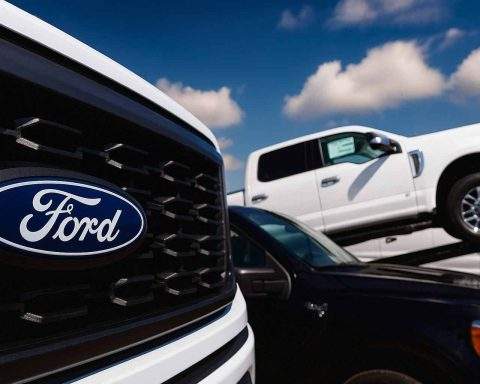
The National Highway Traffic Safety Administration announced that Ford is recalling 119,075 vehicles in the U.S. due to a potential engine block heater defect. The heater might crack and leak coolant, which could cause a short circuit and fire risk when plugged in. The recall affects select Focus, Escape, Explorer, and Lincoln MKC models, the agency said. Reuters
Ford revealed in regulatory filings that overheating can occur in the engine block heater on certain 2.0L engine models. This overheating may cause a coolant leak and a resistive short while the vehicle is parked and plugged in. The risk rises if the heater operates without a working circuit breaker or a GFCI outlet—a device meant to rapidly cut power during faults. The company said it hasn’t received any accident or injury reports linked to this issue. Interim owner letters are planned for February, with full remedy notifications expected in April.
An engine block heater warms engine coolant to ease starting and cut strain in cold weather. The defect mainly affects drivers who regularly plug in during winter, yet it still leads to service visits and extra work for dealers.
The wider auto sector saw gains. General Motors shares climbed roughly 3.5%, Stellantis added around 3.1%, and Tesla edged up about 1.6%, lending support to Ford’s rally and preventing it from standing alone.
Recalls remain a persistent concern for Ford investors, who want to see tighter execution and smaller warranty expenses to bolster the earnings case. The automaker’s steady stream of recalls and rising warranty costs have drawn ongoing scrutiny from buy-side analysts, even though individual recalls haven’t shifted short-term estimates significantly. Barron’s
Bulls face the danger that recall-related expenses or parts shortages could escalate, further squeezing margins. New developments might also strengthen the view that Ford’s quality improvements are dragging on longer than expected. A drop in U.S. demand would only ramp up pressure, especially in price-sensitive segments where incentives shift fast.
Traders are now turning their attention to fresh analyst revisions as companies revise their 2026 forecasts. Ford’s next quarterly earnings and outlook update, set for Feb. 10 after the bell, will also be closely monitored. wallstreethorizon.com