NEW YORK, January 3, 2026, 04:14 ET
London’s FTSE 100 rose above 10,000 points for the first time on Friday, hitting an intraday high of 10,046.3 as markets reopened after the New Year holiday, a PA Media/dpa report carried by Bernama said. The index gained 21.5% in 2025, its best annual rise since 2009, helped by defence, mining and financial stocks.
The milestone lands as investors try to gauge whether the rally that carried through 2025 can broaden in 2026, or whether price gains are running ahead of the economy.
The timing matters because early-year positioning often sets the tone for risk appetite, especially when investors are weighing the path of interest rates against rapid spending on artificial intelligence.
In the United States, the Dow and S&P 500 ended Friday higher, snapping four-session losing streaks, while the Nasdaq edged down and extended its slide to five sessions, Investopedia reported. Boeing, Caterpillar and Goldman Sachs led Dow gains, and Baidu rose after its AI chip unit filed to go public in Hong Kong, the report said.
Portfolio manager Jed Ellerbroek at Argent Capital said “AI infrastructure is up” as the year opens, with utilities and industrials among the sectors benefiting from investment tied to the buildout. Reuters reported investors are also focusing on U.S. monetary policy as Jerome Powell nears the end of his tenure as Federal Reserve chair and delayed U.S. economic data returns after the government shutdown.
In a Weekend Essay published Saturday, Financial Times columnist John Plender wrote that the current AI-fuelled market euphoria echoes the familiar arc of past bubbles that eventually burst, even if the final phase can run longer than many expect.
Economist Henrik Zeberg has also warned that markets are in a late-stage blow-off top — a sharp, emotion-driven surge that can precede a steep reversal — arguing that years of ultra-low rates and quantitative easing have inflated asset prices across markets. His comments, from a Dec. 29 Substack post, were highlighted in reports by Finbold and Futu’s news service.
Quantitative easing, often shortened to QE, is when central banks buy bonds to pump money into the financial system and keep borrowing costs low.
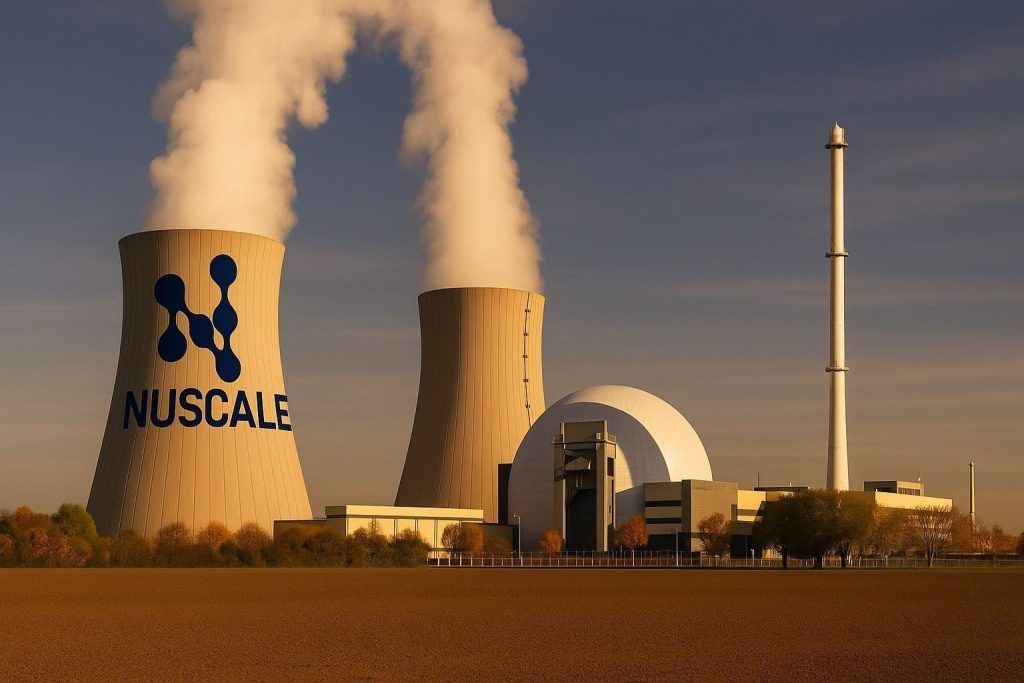
AI infrastructure is Wall Street shorthand for the physical buildout behind the technology, including data centres, electricity supply, networking gear and advanced chips.
For investors, the immediate question is whether the spending boom translates into sustained earnings growth, or whether the market is simply repricing future gains faster than companies can deliver them.
At the same time, rate expectations can shift quickly when fresh inflation and jobs data resumes a normal rhythm, leaving highly valued sectors exposed when discount rates move higher.