
London, April 28, 2026, 09:45 BST
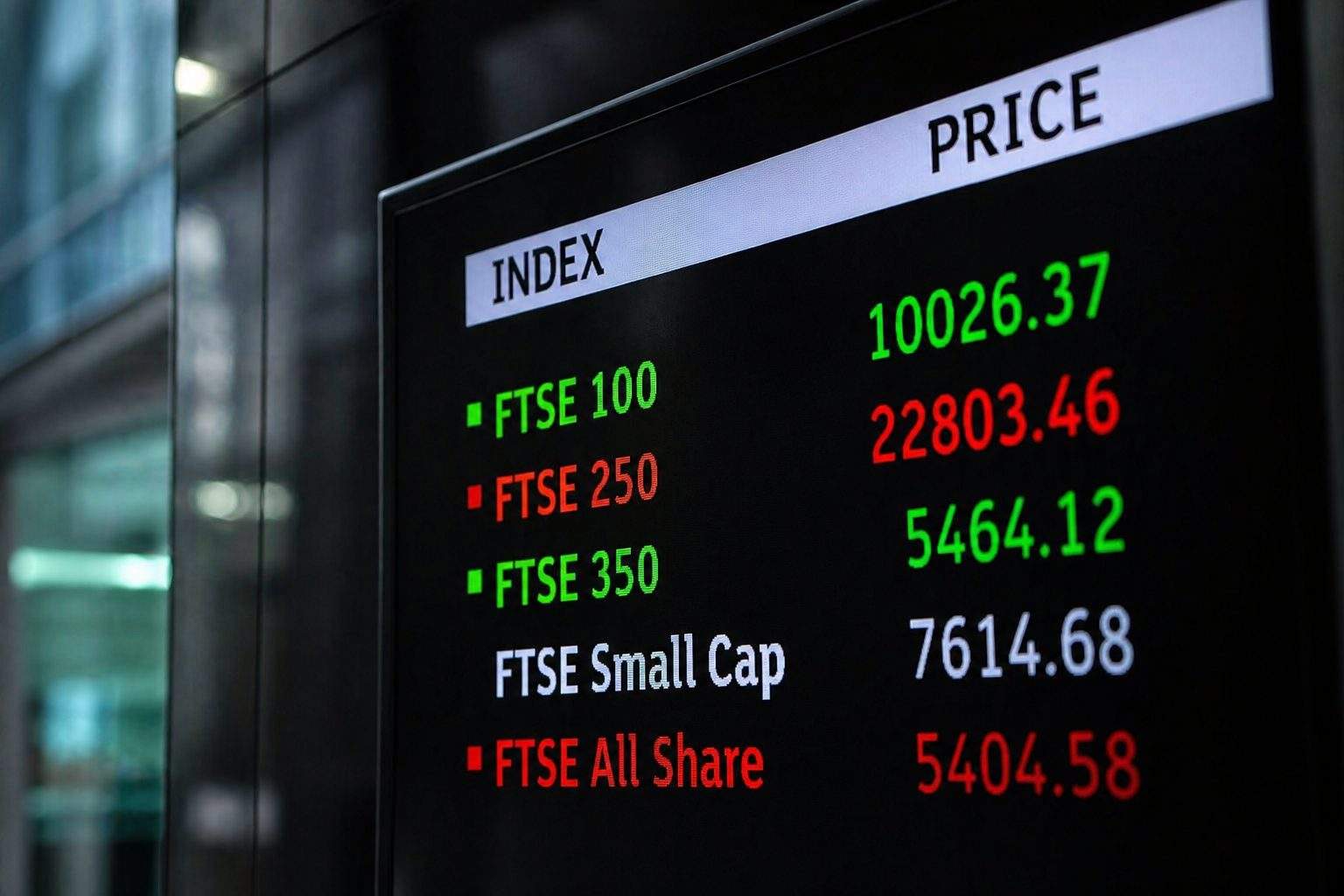
UK equities ticked up early Tuesday, the FTSE 100 hovering near 10,340 for a gain of about 0.2% after a higher open. BP and Shell nudged the index upward as crude stayed north of $110 a barrel. But Barclays slipped, weighed by earnings, and Taylor Wimpey lost ground on cost pressures. BP featured among top risers; Barclays sat near the bottom of the pile.
London is looking to snap a six-day losing streak—something the market hasn’t seen in over a year. The FTSE 100, tracking the city’s top listed firms, dropped 0.6% to close at 10,321.09 on Monday. Waning optimism over Iran-U.S. peace talks weighed on sentiment.
Not a sweeping rally—oil names led while plenty lagged. Energy stocks found buyers, lifted by Brent crude trading close to its highest level in three weeks. Elsewhere, builders, banks, and UK-centric companies remained weighed down by rising costs, credit jitters, and tepid local demand.
BP shares climbed after the firm posted a first-quarter profit of $3.2 billion, topping its results from a year ago by more than double and hitting a two-and-a-half-year high. The company’s “underlying replacement cost profit,” which excludes certain inventory swings and is BP’s favored net income metric, landed above the $2.67 billion average in the company’s own analyst survey. Reuters
BP’s customers and products division—which covers trading—posted $3.2 billion in pre-tax earnings, lifted by robust oil trading as the Iran conflict pushed up energy prices. Chief Executive Meg O’Neill commented BP was “heading in the right direction.” Still, the company cautioned that fuel margins and output are vulnerable to instability in the Middle East. Reuters
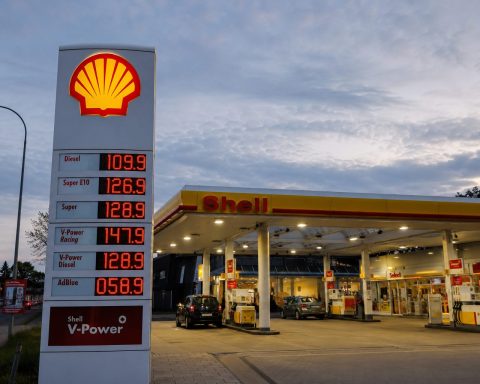
Shell and Centrica pushed higher, with London’s early uptick looking more like a play on energy than a broad shift into risk. Saxo’s Neil Wilson pointed to gains in crude, noting investors see “no viable way to reopen the Strait of Hormuz,” a vital artery for oil shipments. Proactiveinvestors NA
Barclays headed in the opposite direction. First-quarter pretax profit edged up to 2.8 billion pounds from 2.7 billion pounds last year, with the bank rolling out a 500 million pound share buyback. Still, a 228 million pound provision linked to the collapse of Market Financial Solutions cast a shadow, dragging shares down more than 3% at the open.
The MFS charge sharpened concerns around lending risk, particularly in private credit—where deals happen outside the usual public bond circuit and details can be murky. “This is very serious,” Barclays CEO C.S. Venkatakrishnan said to reporters, noting the bank has to figure out what it means not just for Barclays, but for the wider sector. Reuters
Taylor Wimpey slid to the bottom of the housebuilder pack after the company bumped its 2026 build-cost inflation outlook, now expecting low-to-mid single digits rather than sticking with low single digits. Management pointed to fresh pressure from supply-chain surcharges and rising energy bills. As of April 26, the order book pricing was already down 1% year over year.
Shares dropped 4.3%, landing at their lowest point in almost 13 years and deepening a slump that’s now erased nearly a third of value in the past year. Quilter analyst Oli Creasey pointed out that Taylor Wimpey’s earlier profit guidance could come under heavier scrutiny if market pressures stick around; Barratt Redrow, meanwhile, showed up among rivals dialing back on land buying as the broader sector retreats.
The FTSE 100’s oil boost is a double-edged sword. Should Middle East tensions intensify, energy stocks might keep attracting inflows, yet rising inflation would likely squeeze margins for builders and retailers—making life trickier for central bankers. A breakthrough at Hormuz and lower crude prices could flip the script in short order, with the BP trade fading and focus snapping back to credit risk in the banking sector and sluggish demand at home.
FTSE 250 stocks slipped at the open, in contrast to a rising FTSE 100. Tuesday’s moves summed up the mood—London’s heavyweight oil players lifted the benchmark, but UK-focused shares struggled.