NEW YORK, March 30, 2026, 16:05 EDT
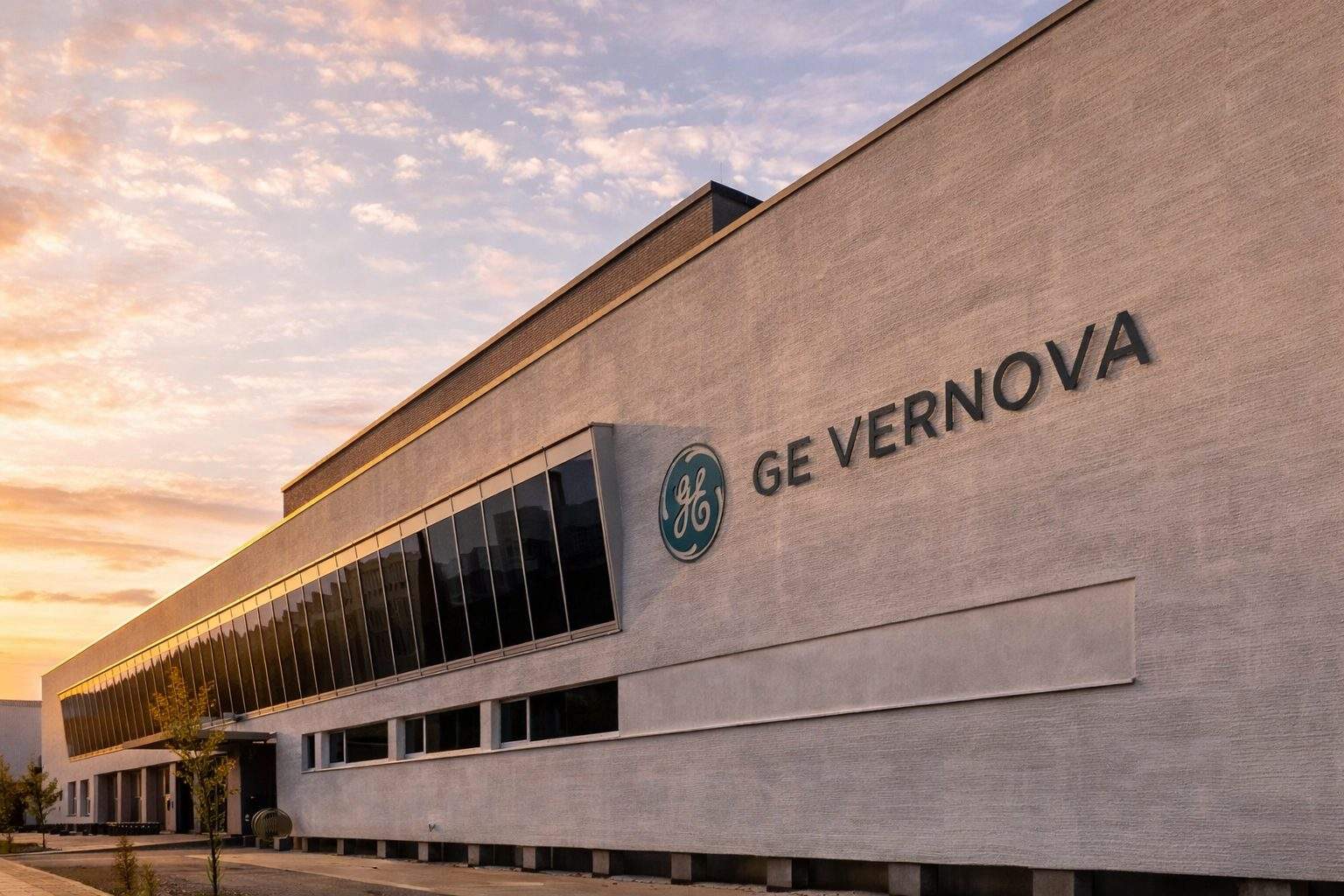
Shares of GE Vernova slipped roughly 4% Monday. Investors digested company talk about firmer gas orders expected for 2026, plus a U.S.-Japan energy agreement featuring GE Vernova Hitachi reactor work. The stock traded at $818.46 as of 3:49 p.m. EDT. GE Vernova
Timing’s critical here, with supply still tight. GE Vernova CEO Scott Strazik pointed out that anyone ordering a new heavy-duty gas turbine now faces a wait: no shipments before 2029, and commissioning could stretch to 2031. The company is set to hold its first-quarter earnings webcast on April 22, offering investors a look at backlog, pricing, and how the factories are performing in the near term.
During a Bank of America conference on March 18, according to a company transcript, Strazik projected first-quarter gas contracts—orders and slot reservations combined—would hit “somewhere between 12 and 24 gigawatts.” That’s a jump from 8 gigawatts in the first quarter of 2025. Demand, he noted, stayed “very strong.” GE Vernova
He highlighted demand overseas, too. Just last week, Strazik said, GE Vernova landed contracts for another three 1.6-gigawatt LNG-to-power projects in Vietnam. The company is also chasing deals in Taiwan, where, according to him, gas-fired generation will be crucial for TSMC’s chip expansion.
Strazik noted that while data centers currently account for just 10% to 15% of GE Vernova’s gas backlog, they represent about one-third of the slot reservation agreements expected to convert to orders within the next 6 to 18 months. Customers are putting down deposits of 20% to 25% to secure turbine production slots before committing to a specific site. GE Vernova
Action is picking up on the grid front, too. GE Vernova CEO Scott Strazik told investors the company’s electrification backlog is projected to jump to $60 billion by 2028—twice the current $30 billion. He pointed to surging demand for high-voltage direct current (HVDC) transmission lines, a market he put at $100 billion to $150 billion. Those lines are used to carry electricity across long stretches. Last year alone, data centers pulled in over $2 billion in direct electrification orders, he said. GE Vernova
Nuclear’s in the mix as well. Reuters, following the March 19 U.S.-Japan summit, said the two countries lined up backing for as much as $73 billion in energy deals—of that, up to $40 billion could go to GE Vernova Hitachi’s small modular reactor (SMR) projects in Tennessee and Alabama. Days earlier, on March 14, GE Vernova Chief Corporate Officer Roger Martella described the company’s SMR tech as “a powerful tool” for nations prioritizing energy security, according to a release focused on Southeast Asia. Reuters
Competition in the sector is only getting fiercer. This month, Reuters Events flagged that Siemens Energy, Mitsubishi, and GE Vernova are all pushing to boost gas-turbine output, with developers scrambling to secure machines for data centers and new gas plants. U.S. manufacturing could hit 70 to 80 gigawatts by 2030, Wood Mackenzie’s Ben Boucher said, but a chunk of that will ship abroad and supply chains are still wrestling with parts and labor shortages. Reuters
It hasn’t been smooth sailing. Back in January, Reuters flagged that GE Vernova’s wind business faces an estimated $250 million revenue shortfall in 2026 tied to Vineyard Wind project delays—11 turbines weren’t installed at that point, dragging about $400 million in losses into the mix. In the same Reuters Events report highlighting turbine shortages, RMI’s Tyler Fitch noted capital costs for gas plants have more than doubled over the past one to two years, cautioning that ramping up capacity “will take longer than we might expect.” Reuters
Monday offered little in the way of relief. The S&P 500 slipped, Nasdaq too, as traders tried to sort out the fallout from the Middle East crisis and jumpy oil prices. Stock-driven narratives were forced to jostle for attention against a tougher market tape. Reuters