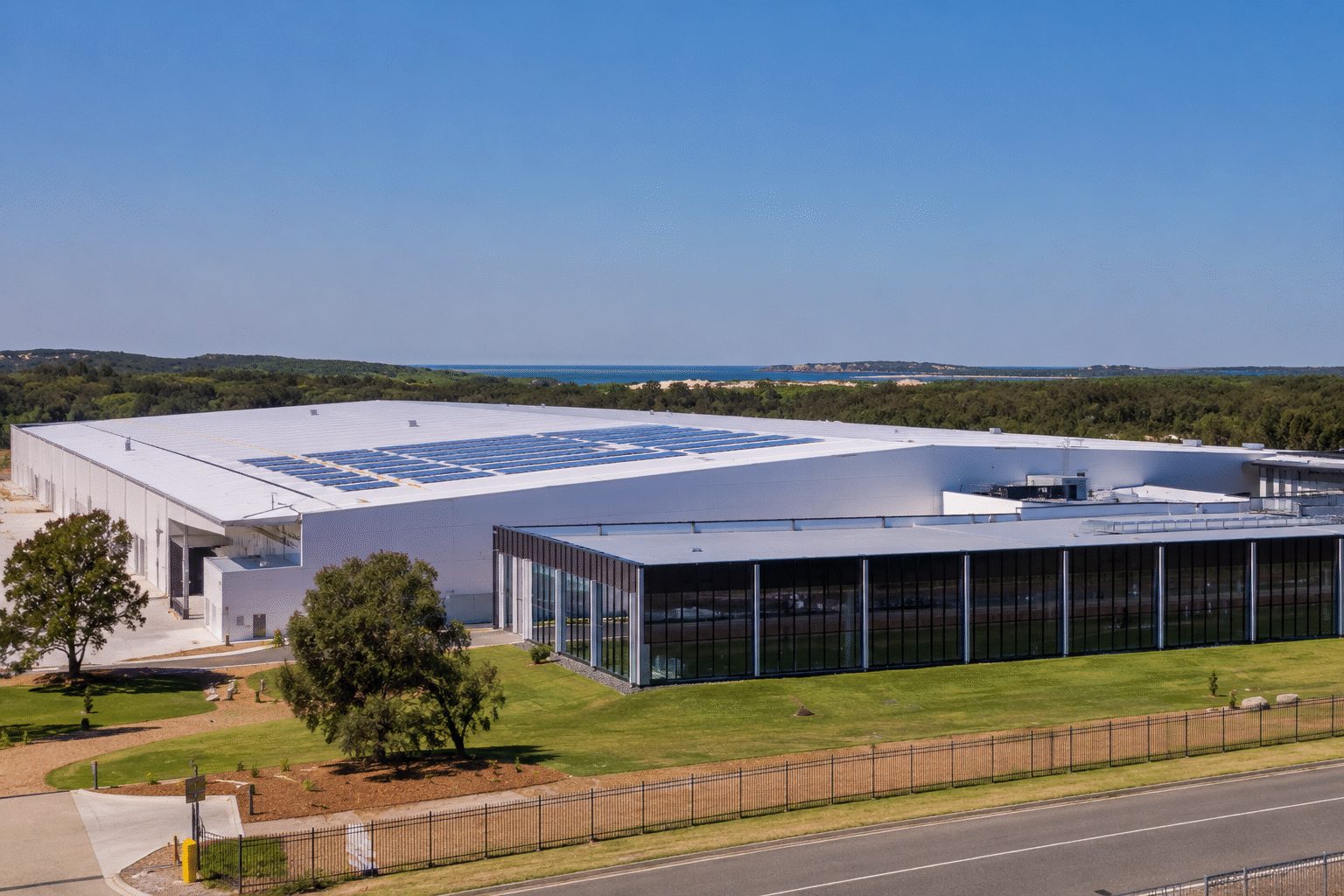

GE Vernova Inc. (NYSE: GEV) enters the final full trading week of 2025 with momentum—and volatility. Shares recently closed at $658.28, up about 3% on the session, leaving the stock near the upper end of its 52-week range ($314.11–$743.50) and up roughly ~100% year-to-date depending on the measurement date.
For investors preparing for the U.S. market open on Monday, December 22, 2025, the setup is unusually news-heavy: GE Vernova has raised its multi-year outlook, doubled its dividend, expanded buybacks, landed major grid contracts, and attracted a wave of analyst target increases—all while trading gets whipsawed by shifts in the “AI data center power demand” narrative. TipRanks+4Reuters+4GE Vernova+4
Below is what matters most right now for GEV stock—what’s driving sentiment, where forecasts are clustering, and what risks could surprise markets next.
GEV stock snapshot: where shares stand heading into Dec. 22
- Last close: $658.28 MarketScreener
- 52-week range: $314.11–$743.50
- Market cap: about $182B
- 2025 performance: roughly ~+100% YTD (varies by reference date and calculation) MarketScreener+1
That range matters because it captures the core debate around GE Vernova right now:
- Is this an “energy infrastructure supercycle” winner benefiting from surging demand for gas generation, grid equipment, and electrification?
- Or is expectations risk now the bigger story after a very large run?
Both views have credible support in recent research and price action.
Why GE Vernova shares have been swinging: the AI power-demand narrative meets efficiency fears
GE Vernova has become a high-profile proxy for the thesis that AI and data centers will drive a step-change in electricity demand, supporting orders for gas turbines, grid equipment, and related services.
But that same positioning cuts both ways: the stock can also react sharply to any headline implying AI might need less power than expected.
That dynamic was on display mid-December, when GE Vernova suffered an outsized single-day drop amid market jitters tied to an AI-chip efficiency storyline (with comparisons made to earlier-year “efficiency shock” concerns). Even without company-specific negative news, sentiment around the AI ecosystem pressured GEV and other “power for AI” names. Barron’s+1
One catalyst behind the discussion was AI hardware company Mythic’s $125 million raise and claims of dramatically improved energy efficiency, which fed the broader “what if power demand isn’t as big as we think?” question. Mythic+1
At the same time, longer-range forecasts still point to very large load growth needs. BloombergNEF, cited by Utility Dive, projected U.S. data-center power demand could reach 106 GW by 2035, underscoring why electrification and generation suppliers remain in focus.
Takeaway for Monday’s open: GEV’s fundamentals are getting stronger in many areas—but the stock is trading like a “story stock” at times, meaning headlines (especially around AI capex and AI power intensity) can move it quickly.
The company catalysts powering the bull case: raised outlook, backlog visibility, and new contracts
GE Vernova is a “purpose-built” energy company with Power, Wind, and Electrification segments. GE Vernova
The near-term narrative is being driven mostly by Power + Electrification.
1) GE Vernova’s raised multi-year financial targets
At its December investor update, GE Vernova lifted key targets and emphasized shareholder returns:
- 2025 outlook (updated): revenue $36–$37B, adjusted EBITDA margin 8%–9%, free cash flow $3.5–$4.0B GE Vernova+1
- 2026 outlook: revenue $41–$42B, adjusted EBITDA margin 11%–13%, free cash flow $4.5–$5.0B GE Vernova+1
- 2028 outlook (raised): revenue $52B, adjusted EBITDA margin 20%, with commentary pointing to materially higher scale and profitability than prior long-range expectations Barron’s+1
Reuters highlighted that the 2026 strength was tied to strong power demand, alongside a buyback boost.
2) Gas turbine demand and backlog signals
A major support for the bull case is gas turbine demand plus services visibility. Reuters reported GE Vernova expected 80 gigawatts of signed combined-cycle gas turbine contracts by year-end as data-center-driven electricity needs ramp up.
This “visibility” theme is also central to recent analyst commentary, including Jefferies’ view that turbine pricing and services provide confidence extending deeper into the next decade. TipRanks
3) Electrification wins: major TenneT HVDC contract in Germany
GE Vernova’s Electrification Systems business also landed high-profile wins. On December 11, the company announced a consortium with Seatrium was awarded a TenneT contract for BalWin5, a 2.2-gigawatt HVDC offshore grid connection designed to move North Sea wind power into Germany’s onshore network—expected to supply electricity for about 2.75 million households once operational.
This matters for investors because HVDC projects tend to be large, complex, multi-year programs that can reinforce backlog and showcase high-value grid capabilities.
4) A strategic transformer move: full ownership of Prolec GE (pending)
In October, GE Vernova announced it would acquire the remaining 50% stake of Prolec GE for $5.275 billion, funded roughly 50% cash and 50% debt, with an expected close by mid-2026 pending approvals.
With North American grid constraints and transformer shortages a persistent theme, this deal is widely viewed as a strategic “capacity and control” move to serve utilities, industrial demand, and data centers.
Capital returns: dividend doubled and buyback expanded (and the dates investors should note)
GE Vernova’s board declared a quarterly dividend of $0.50 per share, doubling from $0.25, payable February 2, 2026, to shareholders of record January 5, 2026.
At the same time, the company increased its share repurchase authorization to $10B, up from $6B.
For short-term traders, capital-return headlines can influence sentiment into year-end. For longer-term investors, the bigger point is that management is signaling confidence in cash generation—and inviting the market to underwrite its multi-year margin story.
Analyst forecasts and targets: upgrades are rising, but valuation concerns haven’t disappeared
The bullish side: price targets keep moving up
Recent analyst actions have been notably active:
- Jefferies upgraded GE Vernova to Buy, raising its price target to $815 from $736, citing better visibility in Power and Electrification and continued positive surprises in gas turbine pricing and services.
- Wells Fargo raised its price target to $831 (from $717) and kept an Overweight rating, pointing to higher revenue and margin expectations in Power and Electrification, and raising its long-range EBITDA and EPS estimates.
- UBS raised its price target to $835 (from $760) and maintained a Buy rating, arguing GE Vernova’s long-term guidance could prove conservative—particularly if incremental margins in Power exceed what guidance implies.
Across the Street, MarketScreener data showed a mean consensus “BUY”, with an average target price around $754.85 from 32 analysts (about +14.7% above the last close shown there). MarketScreener
The cautious side: “fair value” calls after a huge run
Not everyone is chasing the rally. Seaport Global Securities downgraded GE Vernova to Neutral from Buy in mid-December, arguing that after a sharp run, the risk/reward looked more balanced—even after management raised long-term targets.
This split is important: it suggests the next leg higher may require execution proof (deliveries, margins, cash flow) rather than just “theme” exposure.
Credit upgrades add another tailwind: S&P and Fitch both turned more positive
Credit rating actions can matter for industrial companies with large project backlogs because they influence financing costs, customer confidence, and financial flexibility.
Two notable actions hit the tape in December:
- S&P Global Ratings upgraded GE Vernova to ‘BBB’, citing improved profitability and market position, and projected about $43B revenue and over $5B EBITDA by 2026 (per a report summarizing S&P’s action).
- Fitch upgraded GE Vernova to ‘BBB+’ from ‘BBB’ with a Positive outlook, citing operational execution and expanding margins; Fitch also discussed the Prolec GE acquisition and said leverage should remain low even with the deal.
For equity investors, the signal here is straightforward: rating agencies are increasingly treating GE Vernova as a company with strengthening fundamentals and improving resilience—though the wind segment remains a watch item.
The biggest risks to monitor before the open (and into early 2026)
Even with upgraded guidance and stronger credit views, GE Vernova’s risk profile is not “set and forget.” Here are the themes that can move GEV stock quickly.
1) Wind remains the weak spot, and management says 2026 won’t be painless
GE Vernova’s Wind segment has been improving, but it is still expected to be a drag near-term. Management’s investor update materials highlighted ongoing headwinds, including market and policy uncertainty, and signaled continued losses in Wind in 2025 and 2026.
If Wind losses persist longer than expected—or if orders soften further—investors could reassess how quickly consolidated margins can climb.
2) Rare earth supply chain: yttrium constraints are now a headline risk
In a Reuters report, GE Vernova CEO Scott Strazik said the company is working with the U.S. government to bolster stockpiles of yttrium, a rare earth used in some turbine coatings, amid shortages linked to export restrictions. Reuters also reported yttrium prices outside China rose sharply in 2025.
Supply constraints can impact production schedules, costs, and delivery timing—especially in a backlog-heavy environment.
3) AI-driven demand is supportive—but sentiment can flip fast
The “AI power” theme still supports the long-term bull case, reinforced by projections of large load growth and grid investment needs. Utility Dive+1
But as recent price action shows, narratives about AI efficiency or AI capex tightening can pressure the stock in the short run. Barron’s+1
4) High expectations and valuation sensitivity
Several analyst notes explicitly referenced high valuation metrics and “priced in” optimism. UBS, for example, discussed the stock trading at a high P/E and argued upside depends on execution and incremental margin potential. Investing.com
Seaport’s downgrade likewise framed the valuation as a reason to step back despite better targets. Investing.com
5) Execution and delivery cadence
With long-cycle equipment, a lot comes down to whether GE Vernova can:
- ramp production and deliveries on schedule,
- maintain pricing discipline, and
- translate backlog into cash flow without surprises.
That’s why the next few earnings updates and segment margin trends matter as much as new contract headlines.
Key dates and “what to watch next” for GE Vernova stock
Earnings timing: late January (watch for confirmation)
Market calendars commonly project GE Vernova’s next earnings release in late January 2026 (often cited around Jan. 27–28, 2026, before open), but investors should watch for the company to confirm details.
Dividend timeline to know
- Record date: January 5, 2026
- Payable date: February 2, 2026
- Dividend amount: $0.50 per share quarterly GE Vernova+1
Near-term news catalysts that can hit any morning
- Additional analyst target changes (the tape has been very active in December) MarketScreener+2Investing.com+2
- New grid awards similar to the BalWin5 win GE Vernova
- Updates on supply chain mitigation (rare earths) Reuters
Bottom line for the Dec. 22 market open: what GEV investors should focus on
GE Vernova heads into Monday’s session with a rare combination of strong fundamental momentum (raised outlook, major electrification wins, more aggressive capital returns) and headline-driven volatility (AI power-demand sentiment swings).
If you’re watching GEV stock before the open, the most practical checklist is:
- Does the market keep rewarding “AI power infrastructure” names—or fade them again on efficiency/capex headlines? Barron’s+1
- Do analysts keep lifting targets faster than the stock rises, or does valuation anxiety spread? MarketScreener+1
- Do execution risks (wind losses, supply constraints like yttrium, and delivery cadence) start to show up in forward expectations? GE Vernova+1
GE Vernova’s story has shifted from “turnaround and spin-off optimism” to a more demanding phase: prove the margin and cash-flow ramp implied by the new 2026–2028 targets—while navigating a market that can reprice AI-related narratives overnight. GE Vernova+2Investing.com+2

![UK Stock Market Today 29/08/2026 [UPDATE: 08:49 BST] [Weekly Recap + Week Ahead: Midcaps Lead Before Bailey and Gilt Auction]](https://ts2.tech/wp-content/uploads/2026/08/UK-market-dashboard-2026-08-29-0843-480x384.jpg "UK Stock Market Today 29/08/2026 [UPDATE: 08:49 BST] [Weekly Recap + Week Ahead: Midcaps Lead Before Bailey and Gilt Auction]")