
HANGZHOU, China, April 27, 2026, 22:02 CST
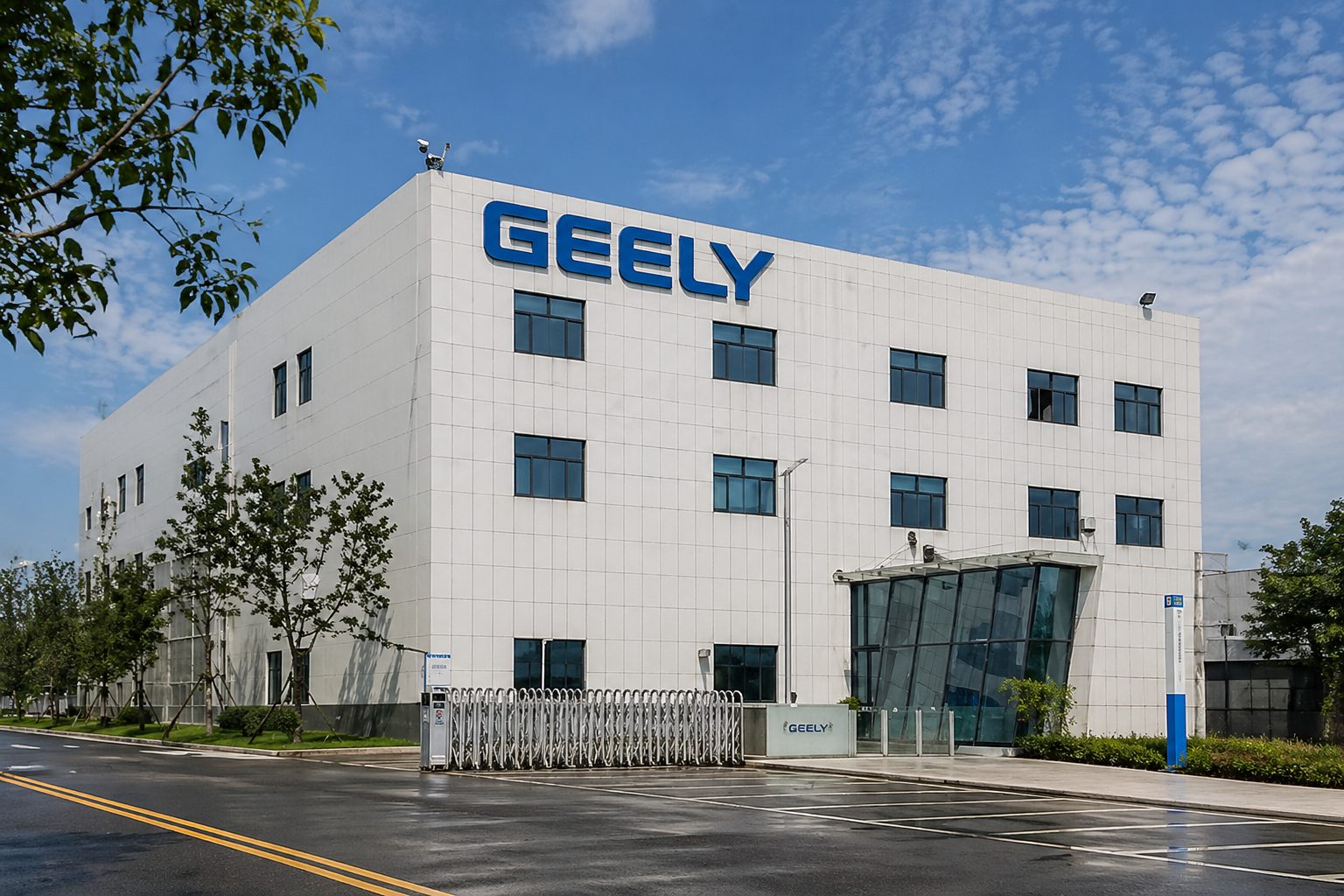
Geely Holding’s target of pushing annual sales past 6.5 million vehicles by 2030 is sharpening the spotlight on China’s auto export engine. The Hangzhou-based player is going head-to-head with BYD both domestically and overseas, while surging fuel costs and the war in Iran shake up how buyers approach electric cars.
Timing proved critical. In March, Chinese clean-tech exports surged to a record $26 billion, as disruptions in oil and gas from the Iran war and the Strait of Hormuz closure unleashed fresh demand for batteries, solar gear and electric vehicles, data from Ember cited by Reuters show. For the first quarter, China’s EV export value landed just over $21 billion—well above the $12 billion seen a year ago.
Geely isn’t just pitching future expansion. The company’s portfolio—Geely Auto, Lynk & Co, Zeekr, Volvo Cars, and Proton—moved 4.116 million vehicles in 2025, reflecting a 26% jump. New energy vehicles, China’s shorthand for both battery-electric and plug-in hybrids, accounted for 56% of that total. By 2030, Geely is aiming for NEVs to make up close to three-quarters of its sales.
Recent figures highlight what’s drawing attention from investors and competitors alike. Geely Automobile moved 709,358 vehicles in the first quarter—a record for that stretch. Exports surged 126% year-on-year to 203,024. For March, export numbers alone reached 81,639, more than twice last year’s tally.
Europe is just part of the equation. Back in March, Geely Auto announced it had launched the Geely E5 and Starray EM-i in Spain, Germany, the Netherlands, Belgium, and Luxembourg, all in a 48-hour sprint—bringing its reach close to 20 major European markets. Reuters also noted Geely’s European tech hub is eyeing twice as many vehicle projects by next year and wants to shrink the lag between launches in China and abroad to under six months.
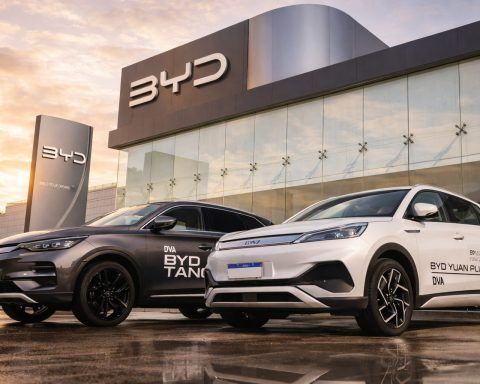
BYD is still the heavyweight in China’s EV race, but the company’s feeling the heat. Domestic sales have dropped for seven months running, Reuters noted, as competitors like Geely and Leapmotor tighten the field. Executive Vice President Stella Li argues the new “flash charging” tech “solves the last barrier for EV adoption.” Her take: “This means we now can compete with the gas market.” Reuters
Geely’s push upmarket is shifting the competition away from budget EVs, putting the spotlight on tech and branding instead. Speaking at the launch of Zeekr’s 8X plug-in hybrid SUV, Geely Automobile CEO Gan Jiayue didn’t hold back, dubbing it “the new king of the road.” Bo Yu of JATO Dynamics summed up the broader industry mood: “The price war has turned into a value-for-money war.” Reuters
Older international names are taking note. Kia CEO Song Ho-sung pointed out that the South Korean carmaker has closed its price difference with Chinese competitors in Europe to 15%-20%, down from 20%-25%. Meanwhile, BYD’s registrations in Europe jumped almost 150% in March. “Chinese companies launched an aggressive push with low-priced EV models,” Kia said during its earnings call. Reuters
Crowded conditions raise the stakes. Changan is gunning for 5 million vehicles sold worldwide by 2030. Dongfeng’s got its eye on 4 million, while Jetour—Chery’s unit—wants to hit 2 million, with half expected to come from international buyers. “The international market will provide more opportunity,” Jetour International President Ke Chuandeng said. But he didn’t sugarcoat the risks: “Every year some of the brands will disappear.” Reuters
But the risks are piling up. Tariffs in the EU, a tangle of U.S. political obstacles, shifting subsidies, and China’s own fierce pricing battles all threaten to hobble exports. Reuters reported a steep drop in Chinese EV sales to the Middle East in March, trade snarled by war—evidence that the same global energy jolt fueling EV demand can also choke off shipments.
Geely’s push now is all about locking in lasting overseas share before things tighten up at home. BYD’s already got the volume edge, is leaning hard into charging, and wants half of its new-car sales abroad by 2030. Geely counters with a broader brand lineup, brisker exports, and a 6.5 million-car goal. Where these tactics diverge is exactly where China’s next battle for auto dominance is shaping up.