
BENGALURU, March 2, 2026, 20:09 IST
- Spot gold jumped nearly 2% as investors moved to safety following U.S. and Israeli strikes on Iran.
- Oil and gas prices shot higher while global stocks dropped, as traders tried to gauge the potential duration of the conflict.
- This week, eyes are on U.S. jobs numbers as investors search for signs on where the Fed might take rates next.
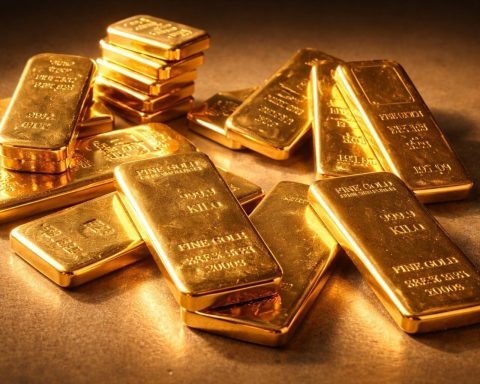
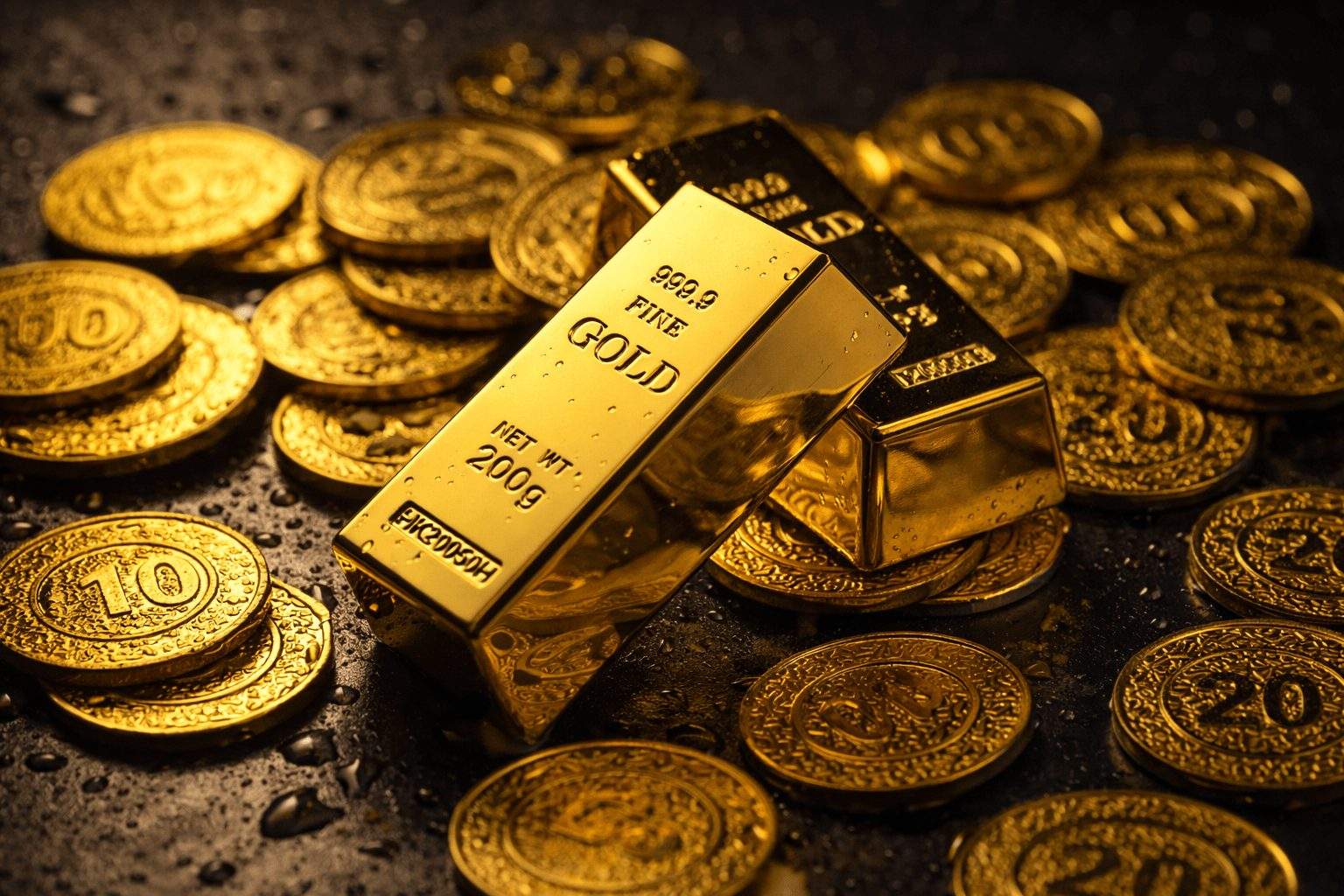
Gold surged Monday, with investors snapping up the metal as a shelter after U.S. and Israeli strikes on Iran pushed tensions higher. Spot prices advanced 2% to $5,384.41 an ounce by 1406 GMT, just shy of the recent record after touching $5,418.50. U.S. gold futures jumped 2.9% to $5,397.40.
The timing of the jump—right out of the gate this week—threw fresh uncertainty at markets, which are busy weighing whether these most recent attacks signal a broader conflict that could threaten energy flows and pull in more players. Gold’s usually the first refuge when headlines start to unravel, but whether that run sticks around usually hinges on if the turmoil breaks out of the war zone.
Inflation risk hasn’t left the picture, either. When crude surges, what starts as a geopolitical shock can morph fast into central bank territory. Rate hike bets climb, and sectors banking on low borrowing costs start to feel the pinch.
Oil and gas prices jumped, the dollar climbed, and equities slipped as the U.S.-Israeli air offensive against Iran escalated. Brent crude surged nearly 9% to $78.90 per barrel, briefly exceeding $82 earlier in the day. Europe’s STOXX 600 dropped 1.6%, with U.S. S&P 500 futures down 1.1%. U.S. President Donald Trump indicated the strikes could stretch on for up to four weeks. “For now, the market will be trying to ascertain how long the conflict will be likely to last and whether it will draw in other nations,” said Michael Field, chief European equity strategist at Morningstar. Reuters
Bullion’s latest moves had more to do with uncertainty than with specific numbers or headlines. “Right now, the market is attempting to figure out whether these attacks are going to be followed up over the next several weeks,” said David Meger, director of metals trading at High Ridge Futures. “I think it’s that uncertainty that is more than likely to support prices.” Reuters
Iran has stepped up its involvement, launching missiles and drones targeting Israel and Gulf states, as Israel hit Lebanon following Hezbollah’s attacks, according to Reuters.
Other precious metals lagged. Spot silver lost 0.6% at $93.23 an ounce. Platinum shed 1.7% to $2,324.40, while palladium dropped 1.1% to $1,767.00.
SP Angel analysts point to geopolitical fragmentation as the driver behind BRIC central banks — Brazil, Russia, India, and China — cutting back on dollar-based assets and leaning into gold instead. They don’t see that trend letting up.
BNP Paribas flagged physical investment demand as the main force for 2026. Physically backed gold ETFs — those funds holding actual bullion — have pulled in roughly 2 million ounces since January. The bank also sees Chinese bar and coin buyers stepping up their purchases compared to 2025.
With Indian commodity markets closed over the weekend, a number of traders turned to nonstop proxies, NDTV said. The gold-backed crypto token Tether Gold surged close to 4% in that stretch.
Gold bulls face a sharp turnaround risk—a surprise diplomatic deal, minimal disruption to energy, or even just exhaustion could change the trade in a flash. But if the conflict drags on, fresh headaches appear: a drawn-out oil shock stokes inflation, pressuring the Federal Reserve to hold rates higher for longer. That’s a tough setup for bonds and metals alike.
The next hurdle lands fast. Investors are bracing for a wave of U.S. jobs data this week, with ADP, jobless claims, and Friday’s non-farm payrolls all in focus as they look for any hint that growth is shifting—or not.
Related articles: Gold