MUMBAI, February 2, 2026, 12:50 IST
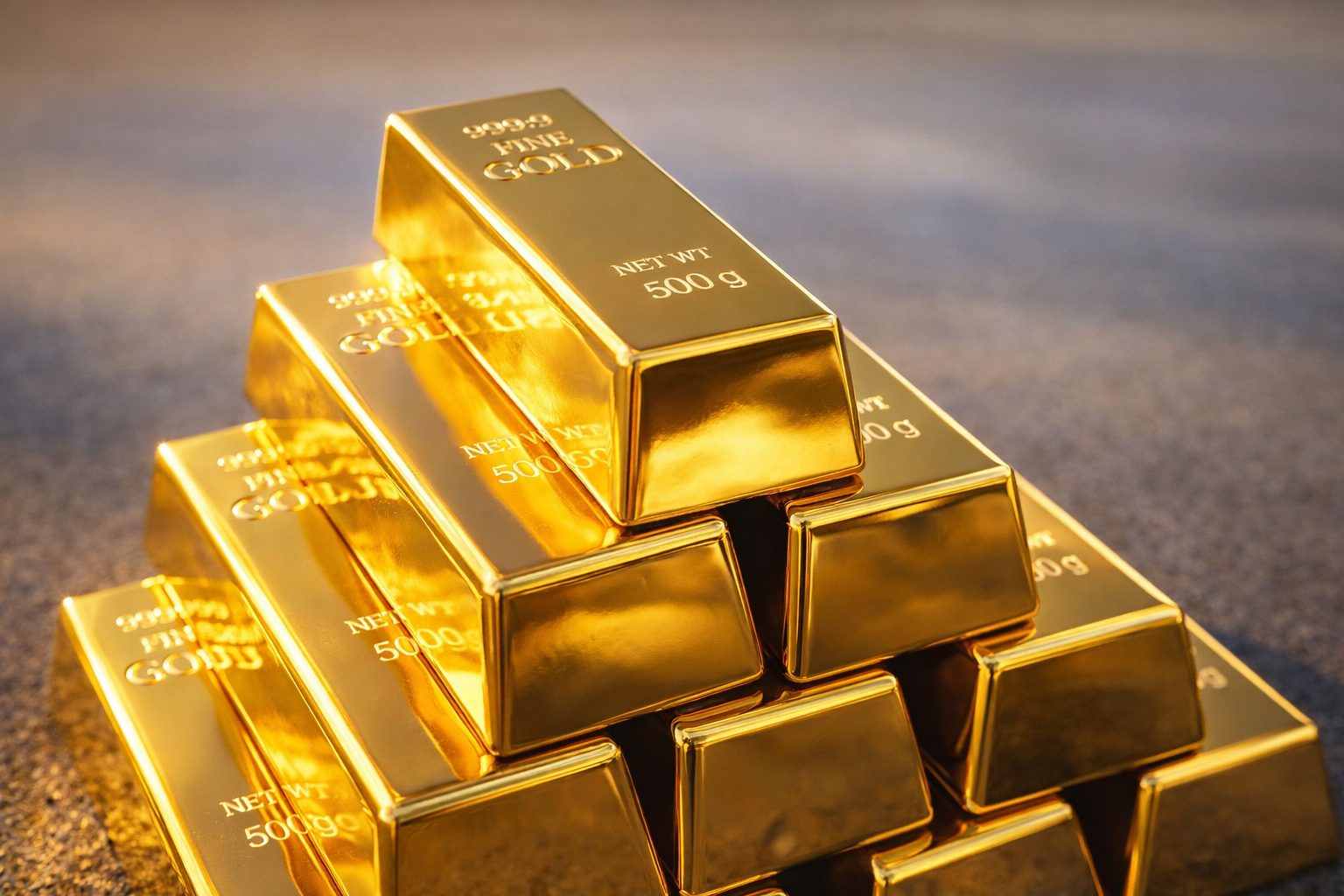
- In India, 24-carat gold slipped by Rs 9,050, settling at Rs 151,530 per 10 grams, while silver plunged Rs 20,000 to Rs 300,000 per kg.
- Gold tumbles around 9%, silver plunges over 13% amid global selloff; CME responds by raising trading margins as volatility surges.
- India’s Economic Survey continues to highlight strong gold demand through 2026; JP Morgan warns that central-bank purchases could drive prices up.
Gold and silver prices in India tumbled sharply on Monday, marking a fourth consecutive day of declines that rattled the bullion market. Ten grams of 24-carat gold dropped Rs 9,050, settling at Rs 151,530. Silver also plunged, down Rs 20,000 to Rs 300,000 per kilogram. Meanwhile, 22-carat gold was priced at Rs 138,900 per 10 grams. Pragativadi News
Prices slid following a broad pullback in precious metals and commodities after a wild January surge. Gold dropped roughly 9%, silver tumbled over 13% in early Asian trading. CME Group responded to Friday’s steep selloff by hiking margin requirements—the cash needed to hold futures positions, according to Reuters. Vivek Dhar, strategist at Commonwealth Bank of Australia, described it as “more hawkish” talk on U.S. policy and labeled the dip a “correction and a buying opportunity.”
The timing is critical for India as policy makers warn the gold surge is spilling into the real economy. The Economic Survey 2025-26 pointed to global uncertainty, a weak dollar, and safe-haven demand as drivers behind gold’s rise. It forecast strong demand would persist into 2026 despite price swings. Gold climbed from around $2,607 an ounce in 2025 to above $4,300 by year-end, hitting over $5,100 in late January. Meanwhile, prices on the Multi Commodity Exchange (MCX), India’s main bullion futures market, more than doubled over the year. Chief Economic Advisor V Anantha Nageswaran cited low “real” interest rates and geopolitical risks, but also flagged concerns over inflation and the trade balance due to higher import costs. The Bridge Chronicle
Banks are already trying to distinguish the crash from the broader trend. JP Morgan expects central-bank and investor demand to push gold to $6,300 an ounce by year-end, despite spot gold falling to $4,677 on Monday. The bank projects central banks will purchase 800 tonnes of gold in 2026 and remains “firmly bullishly convicted” on gold, but has grown more cautious on silver following its recent spike. Reuters
Physical markets showed signs of strain well before the recent crash. In late January, premiums—extra charges above global spot prices—hit as much as $121 an ounce in India, while China’s premium reached $32, Reuters reported. Mumbai wholesaler Ashok Jain noted investors were “paying a premium,” and Hong Kong dealer Peter Fung said “small investors still want to buy,” even as India’s domestic prices climbed to a record 180,779 rupees per 10 grams. The World Gold Council, meanwhile, warned India’s gold demand could decline in 2026 following an 11% drop last year. Reuters
Jewellers and small investors find the whipsaw tricky. Dropping headline prices attract bargain hunters, yet sudden intraday swings frequently give buyers reason to hold back.
The downside risk remains in play. If leveraged traders are forced to unwind, higher margins could sap liquidity. Plus, a stronger dollar or rising real yields usually pressure bullion prices.
Traders are sizing up if the selloff will morph into a slow correction or a quick bounce—the kind you see when a crowded trade reverses sharply. Either way, the metal’s dual role as a haven asset and a key factor in India’s import costs has returned to the spotlight.