
NEW YORK, March 31, 2026, 10:11 a.m. EDT
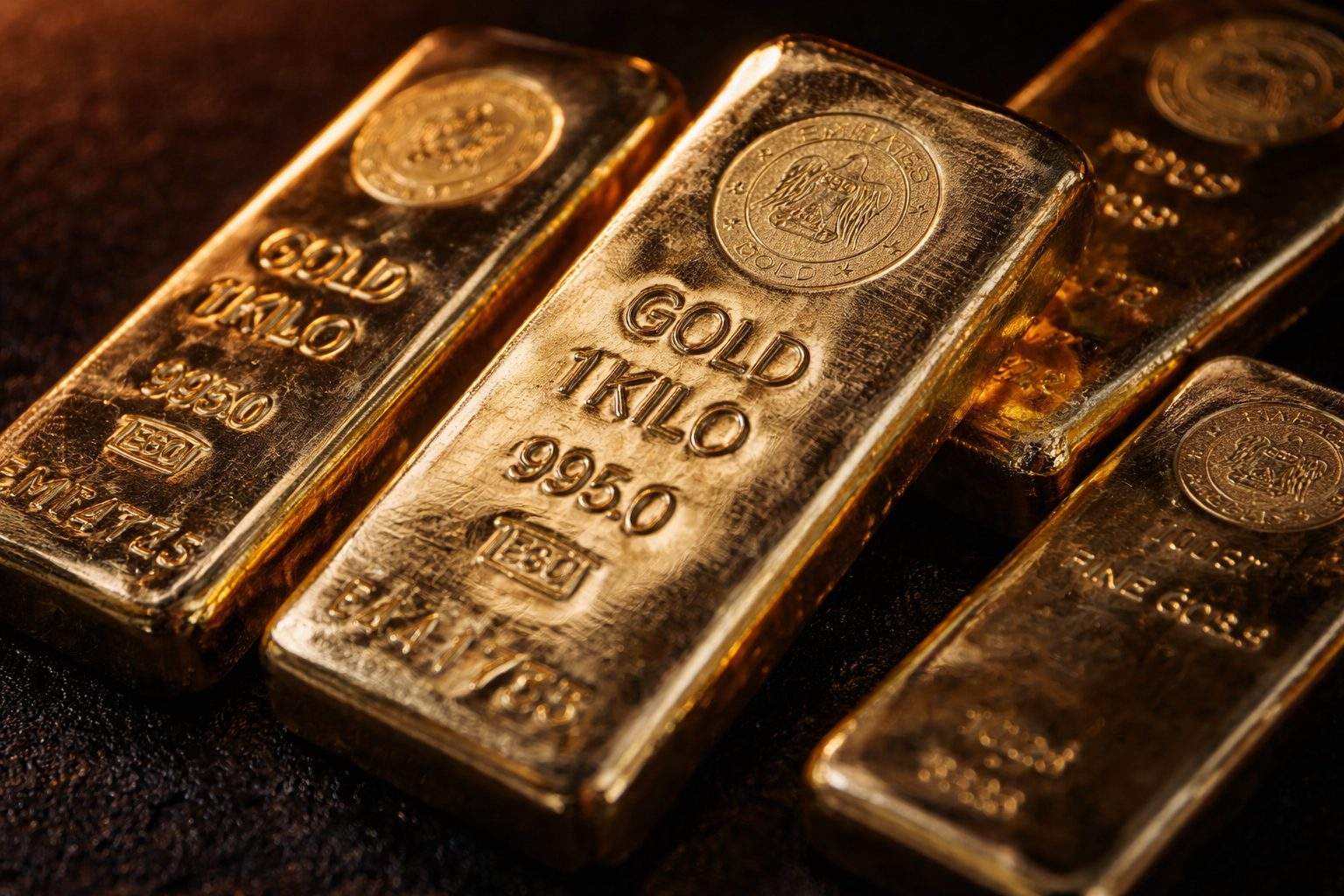
Gold picked up in early New York trading Tuesday, though bullion remained headed for its sharpest monthly decline since October 2008. Spot gold—the immediate-delivery price—stood at $4,572.89 an ounce by 8:50 a.m. EDT, having earlier climbed to its highest mark since March 20.
Gold is supposed to be the classic refuge when worries about both war and inflation rise. But that’s not what we’ve seen this month. Oil has jumped on the Iran conflict, inflation expectations have ticked up, and traders are dialing back bets on rate cuts—a tough backdrop for gold, which doesn’t offer any yield.
Gold traded at $4,578 an ounce as of 9 a.m. ET, according to a daily Fortune tracker—an $11 gain since Monday, yet the metal remains 12.4% under its level one month ago. The recent uptick hasn’t been enough to deliver the protection buyers were counting on during a geopolitical shock.
Energy is taking the hit. Brent crude climbed 2.4%, reaching $115.50 a barrel Tuesday. Analysts surveyed by Reuters have bumped their 2026 Brent outlook up by 30%. The trigger: the war has closed the Strait of Hormuz, a chokepoint handling roughly 20% of global oil and LNG shipments.
Peter Grant, vice president and senior metals strategist at Zaner Metals, described the rally as “encouraging,” but said he’s holding out for more upside before calling it a real shift. He cautioned that any factor raising the chances of a Federal Reserve rate hike could drag prices down, despite ongoing de-dollarization and steady central-bank buying supporting the longer-term picture. BMI left its 2026 gold forecast unchanged at $4,600 on average, while Goldman Sachs still sees bullion hitting $5,400 by year-end 2026. Reuters
Jim Wyckoff at Kitco Metals isn’t seeing any letup in the conflict, noting traders have their eyes just as much on crude prices, bond yields, and the dollar as on battlefield headlines. Over at City Index and FOREX.com, Fawad Razaqzada points to $4,700 through $4,750 as the key patch for gold’s next possible bounce.
The recent selloff has dragged gold back into an uncomfortable spotlight. According to The Economist, gold prices have slid roughly 15% since the conflict erupted on Feb. 28, pressured by higher inflation-adjusted bond yields, central banks offloading reserves, and speculators pulling money from gold-backed funds. Turkey offloaded $8 billion worth of gold in just two weeks through March 20. ETF holdings, which had surged 25% over the year to around 4,200 tonnes, have begun to shrink as investors pull back.
It’s not just gold feeling the pinch. Silver picked up 4.1% to $72.82 on Tuesday—still staring at a 22.4% slump for March. Platinum and palladium also climbed for the session but look on track for losses this month. BNP Paribas expects silver to hold within a $65 to $75 band through 2026.
But that rebound isn’t a sure thing. Ole Hansen at Saxo Bank cautioned that if disruptions drag on for just a few more weeks, crude could edge into “demand destruction territory”—inflation stays hot, rates don’t budge. Flip it around: any real sign of a truce in the conflict might sap some of the safe-haven flows that have helped gold hold steady this week. Reuters
Related articles: NYSE:GS