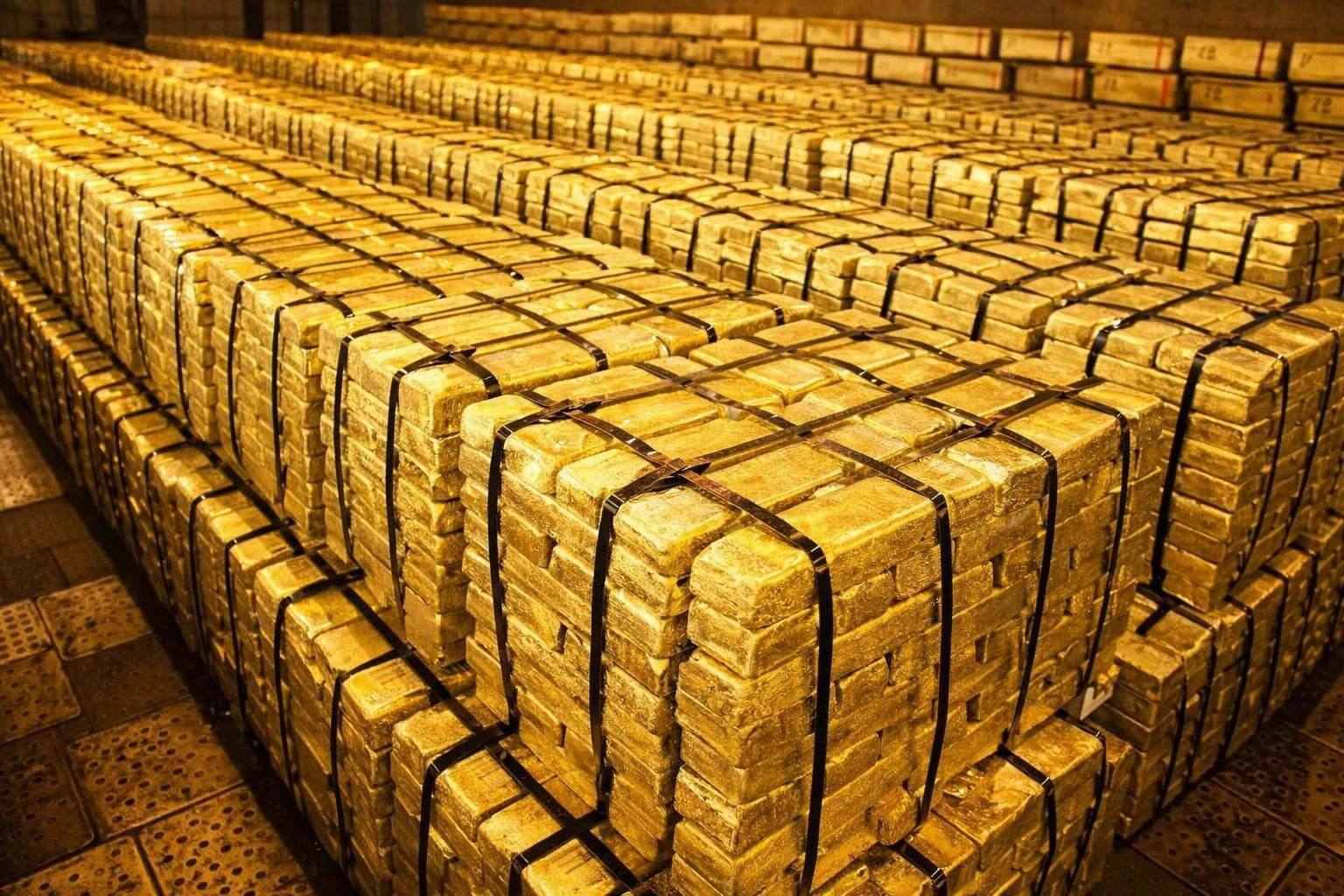
New York, Jan 22, 2026, 06:09 EST — Premarket
- After hitting a record $4,887.82 the previous day, spot gold dipped roughly 0.3%.
- Risk appetite surged once U.S. President Donald Trump dialed down threats of tariffs linked to Greenland.
- Traders eye U.S. PCE inflation and weekly jobless claims for hints on future rate moves.
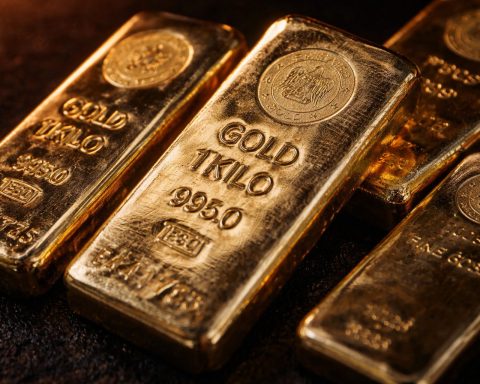
Gold prices pulled back on Thursday after climbing to record highs over three sessions, as easing tensions around Greenland pushed investors toward riskier bets and the dollar found some footing. Spot gold slipped 0.3% to $4,824.18 an ounce by 1017 GMT, dipping nearly 1% earlier in the session. Meanwhile, U.S. gold futures for February edged down 0.2% to $4,826. ActivTrades’ Ricardo Evangelista pointed to a “return of risk appetite” denting demand for the safe haven. Still, Henrik Marx of Heraeus Precious Metals sees the bigger picture as bullish, suggesting $5,000 to $5,200 could be within reach soon. Reuters
The drop is significant given how quickly and erratically the rally unfolded, fueled not just by interest rates but politics too. Investors have leaned on gold as a catch-all hedge—against trade disruptions, policy shifts, and the ongoing uncertainty about leadership at the U.S. central bank.
Attention shifts back to the data. Investors await the Personal Consumption Expenditures (PCE) price index — the inflation measure the Federal Reserve prioritizes — alongside weekly jobless claims, offering a fast glimpse at the labour market’s pulse.
That marked a change from Tuesday, when fear took the lead and questions followed. Gold surged past $4,700 for the first time amid new tariff threats fueling trade-war concerns. Fawad Razaqzada, an analyst at City Index and FOREX.com, noted investors were seeking protection against “rising political risk” as the dollar weakened. Reuters
By early Wednesday, gold had cracked the next milestone. Spot prices topped $4,800 for the first time, driven by steady safe-haven buying.
Goldman Sachs has revised its year-end 2026 gold price forecast upward, now expecting $5,400 an ounce, up from $4,900. The bank cites increased private-sector diversification buying as a key factor supporting the metal’s floor. It also points to emerging-market central banks, which are likely to continue adding reserves, with purchases averaging around 60 tonnes this year.
Rates remain a key tool, but traders are cautious about overcommitting in either direction. According to a Reuters poll from this month, most economists now predict the Fed will keep its policy rate steady at 3.50%-3.75% through Q1 — and potentially hold steady until Chair Jerome Powell’s term ends in May. This marks a shift from earlier bets on rapid rate cuts.
The setup remains fragile. Since gold doesn’t pay interest, a sudden spike in yields or a fresh surge in the dollar could trigger losses, especially after the recent rally has drawn in many late buyers.
The downside is straightforward: should PCE come in hotter than expected, or the labor market prove too resilient to ease inflation, bets on rate cuts could retreat once more. This would probably boost the dollar and weigh on bullion prices.
Thursday brings U.S. PCE and jobless-claims figures, followed by the Fed’s two-day policy meeting on Jan. 27-28. Investors will be watching closely for signs that the central bank’s rate trajectory—and its autonomy—are back in the spotlight.