
London, May 12, 2026, 13:58 BST
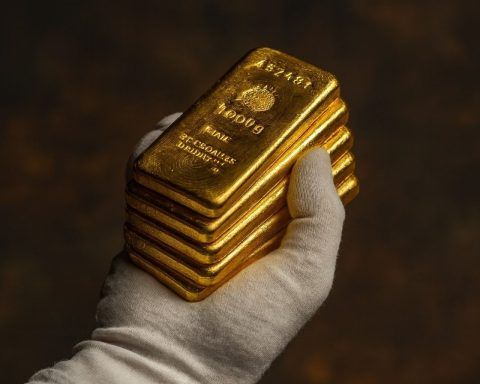
Gold dropped off a three-week peak Tuesday, easing to about $4,700 an ounce. The dollar strengthened, oil prices climbed, and a stronger-than-expected U.S. inflation report dented appetite for bullion. Earlier in the session, prices had benefited from uncertainty over the shaky U.S.-Iran ceasefire, but the rally fizzled as traders held onto bets that the Federal Reserve could keep policy tight.
That’s where the tension sits right now. Gold tends to attract buyers when inflation and geopolitical risk flare up, but climbing Treasury yields make holding an asset with zero yield less appealing. The U.S. Consumer Price Index — tracking household costs — climbed 0.6% in April and 3.8% year-on-year, according to the Bureau of Labor Statistics. That’s the steepest annual jump since May 2023.
Spot gold slipped 0.8% to $4,696.07 an ounce by 1117 GMT, pulling back after hitting its strongest level since April 21. U.S. gold futures for June delivery shed 0.5%, settling at $4,703.20.
President Donald Trump described the Iran ceasefire as being on “life support” following Tehran’s dismissal of a U.S. peace offer. According to Bloomberg, spot gold hovered close to $4,700, slipping from previous highs as traders tracked both the standoff in the Middle East and a firmer dollar. Bloomberg
Ole Hansen, who leads commodity strategy at Saxo Bank, put gold’s drop down to “rising energy prices once again lifting U.S. bond yields.” The stronger dollar isn’t helping either, he said; it pushes up the cost of dollar-priced commodities for anyone buying in another currency. Reuters
Oil took center stage. Brent crude jumped nearly 4%, Reuters said, hovering just below $108 per barrel as chances for restoring regular shipping through the Strait of Hormuz dwindled. That shift rattled equities, propped up the dollar, and drove U.S. 10-year Treasury yields higher.
The CPI print hit right as markets were already on edge. According to Reuters, traders now see the Fed holding its benchmark overnight rate steady—no changes through 2027—after policymakers kept it at 3.50%-3.75% last month. Core CPI, which excludes food and energy prices, came in at a 0.4% gain for April, up 2.8% from the same month last year.
Pressure hit more than just gold. Spot silver slid 3% to $83.50 an ounce. Platinum was down 2.7% at $2,077.44, while palladium gave up 1.9% to $1,479.91.
Monday’s action captured the lopsided mood in the market. Gold clawed back to finish a bit higher—even after tumbling over 1% earlier in the day. Jim Wyckoff at American Gold Exchange pointed to “bargain hunting” and traders jockeying ahead of inflation figures. Analysts at ING flagged that the peace process deadlock was keeping inflation nerves alive and feeding the narrative that rates might stay elevated, which remains a drag on gold. Reuters
Long-term demand remains intact. According to the World Gold Council, total gold demand for the first quarter—including over-the-counter trades—came in at 1,231 tonnes, up 2% from last year. The value of that demand surged 74%, hitting a record $193 billion. Central banks added a net 244 tonnes during the quarter.
Near-term risks aren’t one-sided. If the U.S. and Iran make progress on a deal, oil prices could slip and safe-haven demand would probably follow. But a prolonged disruption in Hormuz might keep both inflation and yields elevated, pressuring gold just the same. Hansen pegged support just above $4,500, with resistance set close to the 50-day moving average at about $4,757.
Trump heads to China for a two-day trip starting Wednesday, with a meeting on the books with President Xi Jinping. Reuters says the Middle East will probably come up, though few in the market are betting on major breakthroughs.
Related articles: Precious Metals

![US Stock Market Today 08/24/2026 [UPDATE: 01:05 EDT] [Nasdaq Futures Slip as Overnight Chip Weakness Holds]](https://ts2.tech/wp-content/uploads/2026/08/US-market-dashboard-2026-08-24-0102-480x384.jpg "US Stock Market Today 08/24/2026 [UPDATE: 01:05 EDT] [Nasdaq Futures Slip as Overnight Chip Weakness Holds]")