
SAN MATEO, Calif., May 12, 2026, 05:06 (PDT)
- GoPro’s board opened a strategic review after unsolicited M&A interest tied to its defense and aerospace push, turning the stock into a possible-sale trade.
- The same release cycle showed why the company may need options: revenue fell 26%, gross margin collapsed, and cash remained tight.
- Bulls see value in GoPro’s brand, IP, subscriptions and new MISSION 1 cameras; bears see weak demand, debt pressure and a going-concern warning.
GoPro has stopped trading like a simple action-camera turnaround. The more important story now is that its board has put the company in play, with strategic alternatives that may include a sale or merger. Reuters reported the news sent shares up more than 27% in after-hours trading Monday, even though the latest available market quote before Tuesday’s open still showed the stock near $1.32.
That price action makes sense. A strategic review is Wall Street code for “something may change hands,” and in GoPro’s case it arrived after the company said it had received several unsolicited strategic inquiries. With a market value of about $224 million at Monday’s close, even a modest takeover premium can look large on the chart. Reuters
The problem is why buyers are circling now. GoPro’s own board said it will work with financial and legal advisers, and CEO Nicholas Woodman framed the company around “significant technology, IP, and brand assets.” That is the bull script: the camera business may be weak, but the assets could be worth more inside a larger hardware, defense, imaging or creator-tools platform. GoPro Investor Relations
The earnings release was the other side of the trade. First-quarter revenue was $99.1 million, down 26.2% from a year earlier. Camera sell-through fell 29%, retail-channel revenue dropped 35%, and subscription and service revenue was flat at $27 million while subscriber count declined 8% to 2.26 million. Gross margin, the share of sales left after product costs, fell to 4.3% from 32.1%.
Management did not try to dress that up much. CFO Brian Tratt said “cash used in operations improved $21 million” year over year, but he also pointed to rising memory costs, supply constraints and tariffs. The blunt detail was memory pricing: GoPro said it rose 80% to 115% in the last week of the quarter, forcing a $24.5 million component-purchase charge and pushing adjusted EBITDA — profit before interest, taxes, depreciation and amortization, with company adjustments — to negative $50 million. Q4 North America
Liquidity is now central. In its 10-Q, GoPro said it had $40.7 million of cash and $99.9 million of aggregate debt at quarter-end, had used $36.6 million of cash in operations, and did not expect to have enough liquidity to meet obligations within one year under current projections. That is what “going concern” means here: management sees real doubt about the company’s ability to keep operating without fixes such as financing, waivers, asset sales or a transaction. SEC
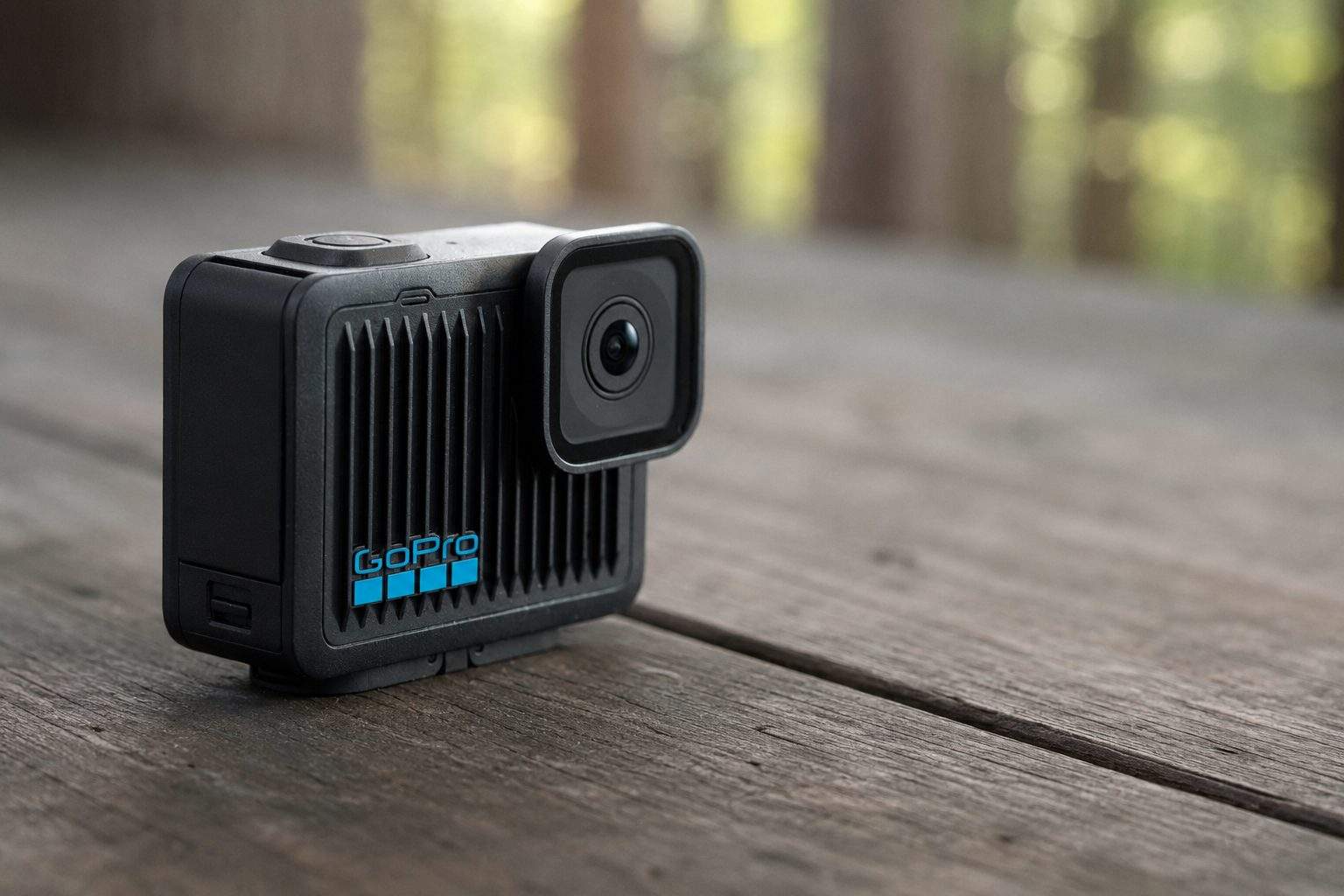
Bulls can still make a case. GoPro is not a no-name gadget maker. It has a known brand, patents, rugged-camera know-how, a subscription base, and a new MISSION 1 line aimed at professional and prosumer imaging. Woodman said the defense and aerospace work with Oliver Wyman brought inbound M&A interest, and he called that evidence of unrealized value in the brand and technology.
Bears answer with one line: optionality is not cash. GoPro withdrew full-year guidance, said it would not provide forward-looking guidance during the strategic process, and is cutting about 23% of its workforce after already leaning on cost controls. A sale review can lift a stock for a few hours; weak demand and covenant pressure can still set the floor.
The competitive read is also narrow. This is not a broad camera-sector rally. GoPro had already closed Monday down 3.65% while Nikon’s ADR rose, and the real pressure in action and 360 cameras has come from DJI and Insta360, which have chipped away at the category where GoPro once looked almost alone.
The stock is therefore split between two clocks. One clock is the M&A clock: advisers, inbound interest, buyer speculation, and whether a larger player wants the brand, IP or defense/aerospace angle. The other is the operating clock: falling units, weak retail sales, memory-cost shock, and cash burn.
For now, the market is paying more attention to the first clock. It should not ignore the second. GoPro’s board may have opened the door to a value-unlocking deal, but the same disclosures explain why that door needed to open in the first place.
Related articles: Technology







![Asia Stock Market Today 26/08/2026 [UPDATE: 07:03 SGT] [Korea Opens Block Trading After Asia’s Broad Rebound]](https://ts2.tech/wp-content/uploads/2026/08/Asia-market-dashboard-2026-08-26-0703-480x384.jpg "Asia Stock Market Today 26/08/2026 [UPDATE: 07:03 SGT] [Korea Opens Block Trading After Asia’s Broad Rebound]")