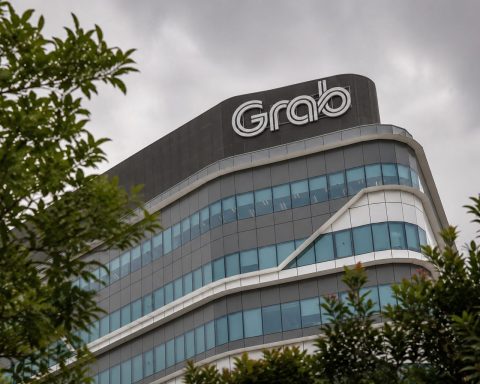

NEW YORK, Feb 6, 2026, 08:27 EST — Premarket
- Grab shares rose around 0.7% in premarket, bouncing back from a near 1% decline in the previous session
- Hesai appointed Grab as its exclusive lidar sensor distributor in Southeast Asia
- Grab Finance announced it has rolled out automated credit decisioning via FICO’s platform in six countries
Grab Holdings Ltd shares edged up roughly 0.7% to $4.18 in premarket trading Friday. On Thursday, the stock slipped around 1% to close at $4.15.
Investors are weighing new partnerships in two key areas Grab has been focusing on: autonomous technology and financial services. These sectors lie beyond its main ride-hailing and food delivery operations, yet they have the potential to impact both costs and growth prospects.
For Grab, even minor updates carry weight as it gears up to report earnings next week. The focus won’t be on flashy new launches but on the tough realities of margins, incentives, and what it takes to keep users spending.
On Feb. 4, Hesai Technology named Grab its exclusive distributor for lidar products in Southeast Asia. Grab will take charge of sales, customer support, and marketing. Lidar, short for light detection and ranging, uses laser light to gauge distances and help vehicles or robots navigate their environment. Grab CEO Anthony Tan called the partnership crucial for giving robotics the “essential ‘eyes’” to see and move safely. Hesai CEO David Li emphasized lidar as a key technology behind autonomous perception. Hesai
On the same day, Grab Finance announced it deployed 22 automated credit decision workflows across six Southeast Asian countries in less than eight months, powered by FICO’s platform. The move boosted credit-offer eligibility by nearly 50%. Andre Tan, regional head of lending risk platforms at Grab Finance, said the technology enables “contextual, real-time credit offers” directly within the Grab app. FICO
Growth stocks have faced a rough patch, with the Nasdaq dropping roughly 1.6% on Thursday amid a wider selloff in U.S. markets, tech shares taking the brunt of the decline.
Neither deal offers Grab shareholders a clear dollar amount to work with just yet. Revenue from distribution agreements tends to roll in slowly, and lending growth raises a tougher issue down the line — credit quality — particularly if consumers and small merchants start to struggle.
Grab has been leveraging the pre-results period to promote new offerings built on its network and app data. Investors, however, keep circling back to one question: can it scale without costs climbing faster than sales?
Grab announced it will publish unaudited Q4 and full-year 2025 results after U.S. markets close on Feb. 11. Management is set to discuss the numbers during a 7:00 p.m. Eastern conference call the same day.
The next clear catalyst is that call. Traders will be keyed in on any specifics about how fast these newer initiatives can shift from “strategic” to tangible — and what impact they might have on margins along the way.
Related articles: NASDAQ:GRAB