
Singapore—May 11, 2026, 04:03 SGT
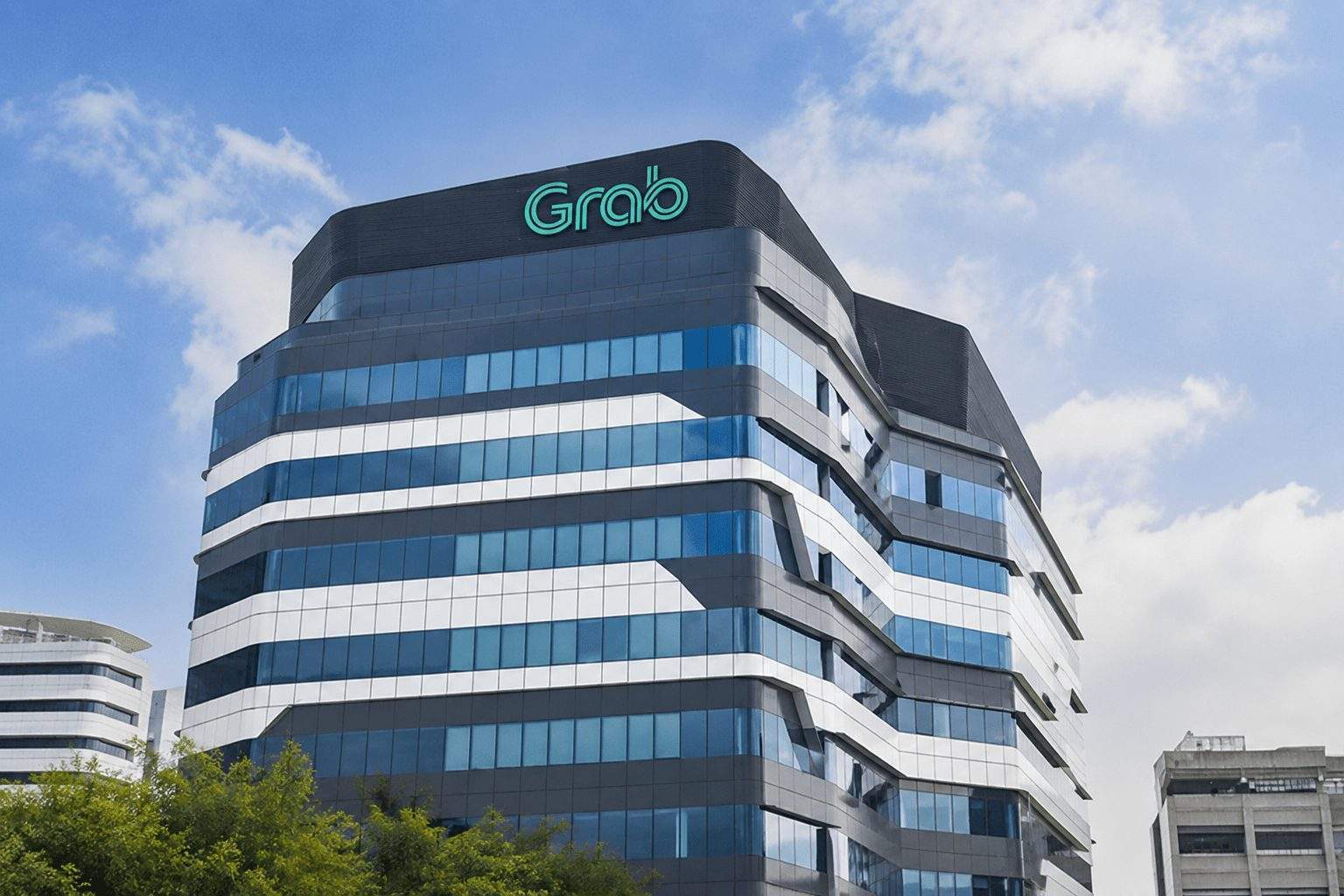
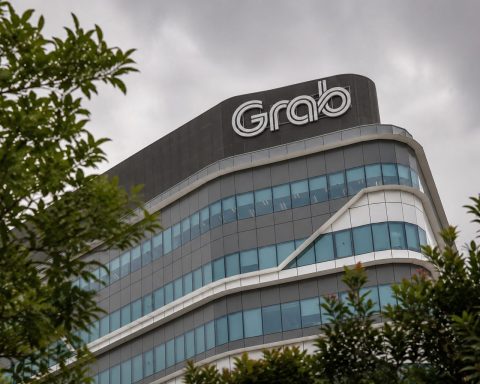
Grab Holdings slipped 1.85% to finish at $3.72 on Friday, snapping a three-day rally despite a first-quarter revenue beat. Investors took in upbeat demand across rides and food delivery, but higher fuel costs and stricter Indonesian regulations seemed to dent sentiment. Trading volume reached 52.45 million shares.
The retreat is notable. Grab’s under pressure to show its pivot from chasing growth at any price to turning a profit can stick, even as costs rise in Southeast Asia. Yet the company continues to shell out for incentives and driver perks, all while trying to keep its platform cheap enough for users to stay.
Grab’s first-quarter revenue climbed 24% year-on-year to $955 million, topping the $921.1 million analysts had forecast, thanks in part to gains in its mobility and deliveries units. On-demand gross merchandise value—the sum of orders and rides before Grab takes its share—also jumped 24%, reaching $6.1 billion.
Chief Executive Anthony Tan described it as a “strong start to 2026.” Chief Financial Officer Peter Oey added that the latest quarter “keeps us firmly on track” for full-year revenue between $4.04 billion and $4.10 billion, with adjusted EBITDA ranging from $700 million to $720 million. Adjusted EBITDA, which excludes interest, tax, depreciation, amortisation and certain other costs, remains the company’s preferred profit metric. Grab
Profit shot up to $120 million over the period, a big jump from $10 million a year ago. Adjusted EBITDA reached $154 million, up 46%. Adjusted EBITDA margin moved to 16.2% of revenue, compared with last year’s 13.7%.
Even so, market reaction hasn’t been consistent. Morgan Stanley lowered its price target on Grab to $5.90, down from $6.40, but kept an Overweight rating. The firm said the first quarter “demonstrated that growth, margins and capital returns can compound together.” TipRanks
Several others pared their price targets following the results, but bullish ratings largely held. J.P. Morgan’s Ranjan Sharma kept a Buy, trimming his target to $5.80 from $5.90; Wei Fang at Mizuho Securities stayed at Buy, cutting the target to $6 from $7; Bank of America Securities’ Sachin Salgaonkar also maintained Buy, lowering to $5.20 from $6.20, according to TipRanks data.
Deliveries at Grab brought in $510 million, up 23%. Mobility revenue landed at $337 million, climbing 19%. Financial services posted a sharper 43% increase to $107 million, as lending from GrabFin and its digital banks picked up—total loans disbursed hit $1.1 billion, a 67% surge.
Affordability is still front and center. About 35% of Grab users are on its “saver” program, which provides lower-cost choices, Oey told Reuters. He added that this mix brings a “very good balance” between price-sensitive riders and everyone else. Reuters
Competition and regulatory pressure are coming to the fore. Indonesia plans to slash the cap on commissions that ride-hailing platforms collect from drivers, dropping it to 8% from the current 20%. The change impacts Grab, along with local competitor GoTo, in what remains a crucial Southeast Asian market.
Grab is looking to push into new territory beyond Southeast Asia. The company announced plans to buy Delivery Hero’s Foodpanda delivery business in Taiwan—its first move outside its core markets. Pending regulatory signoff and other hurdles, Grab is aiming to close the deal in the second half of 2026.
There’s a catch: higher growth comes at a price. Grab booked $650 million in total incentives for the quarter, a figure pushed up by festive demand and the need to offset rising fuel costs for drivers. Operating cash burned: $59 million, with lending receivables on the rise.
So Grab heads into the new week facing the same puzzle: can a jump in order volume, gains from lending, and AI improvements outpace the drag of discounts, rising fuel costs, and regulatory friction? The company posted stronger numbers for the first quarter, but Friday’s stock reaction made clear investors aren’t fully convinced yet.
Related articles: NASDAQ:GRAB



![Asia Stock Market Today 26/08/2026 [UPDATE: 07:03 SGT] [Korea Opens Block Trading After Asia’s Broad Rebound]](https://ts2.tech/wp-content/uploads/2026/08/Asia-market-dashboard-2026-08-26-0703-480x384.jpg "Asia Stock Market Today 26/08/2026 [UPDATE: 07:03 SGT] [Korea Opens Block Trading After Asia’s Broad Rebound]")