
PALO ALTO, California, August 26, 2026, 17:03 (EDT) — HP Inc’s stock dropped 9.0%, erasing $2.5 billion in market value, after the company reported a 16% decline in its PC unit shipments.
- At 5:02 p.m. EDT, HP shares dropped 9.03% to $27.77 in after-hours trading.
- The drop wiped out approximately $2.5 billion from HP’s market capitalization at the close.
- Fiscal third-quarter revenue surpassed analyst expectations by 8.6%, and adjusted EPS came in 25.8% higher than consensus.
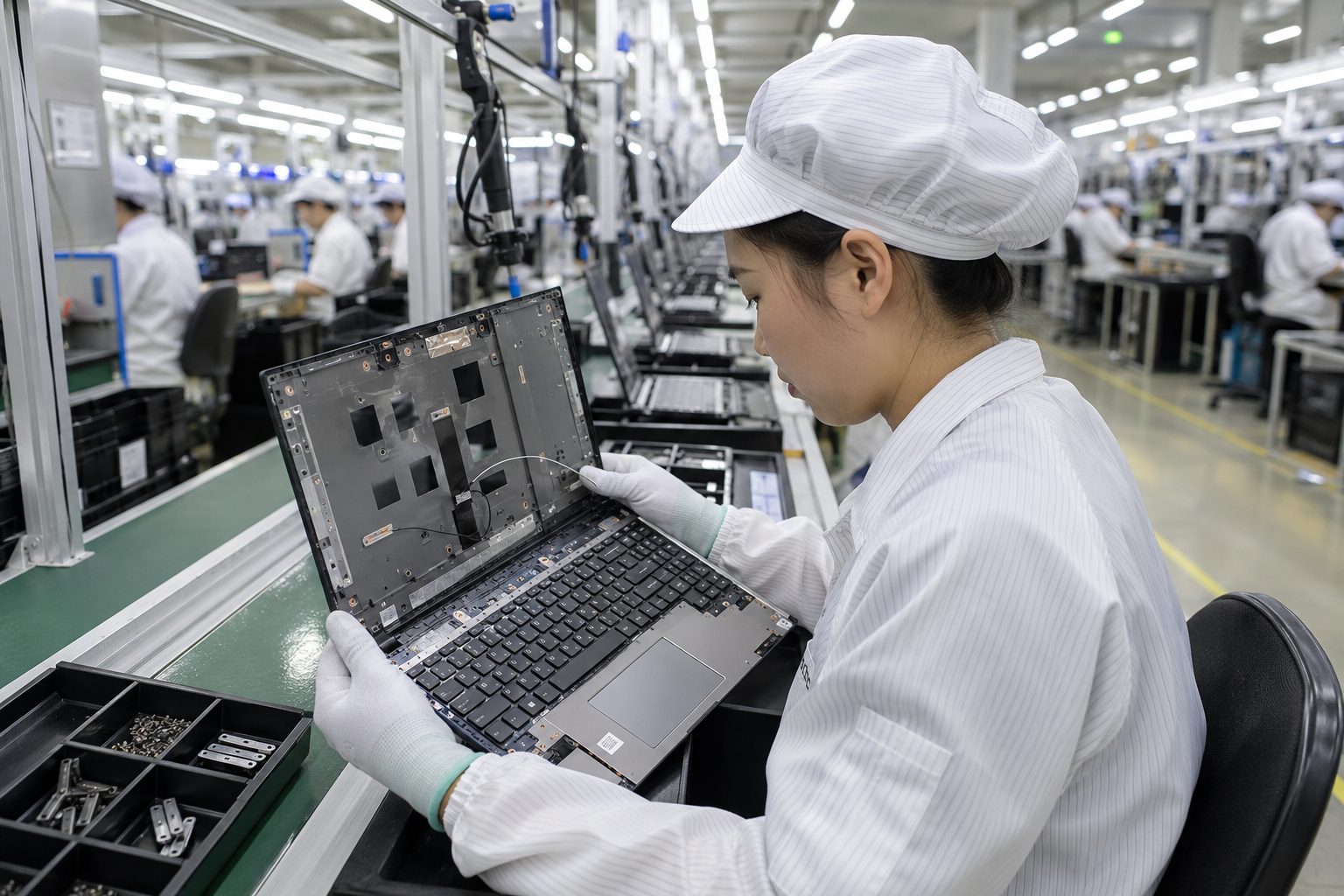
- Personal Systems revenue climbed 18%, despite a 16% drop in PC units.
HP Inc. (NYSE:HPQ) shares declined 9.03% in after-hours trade on Wednesday, after a quarter in which pricing and product mix offset a significant drop in unit volume.
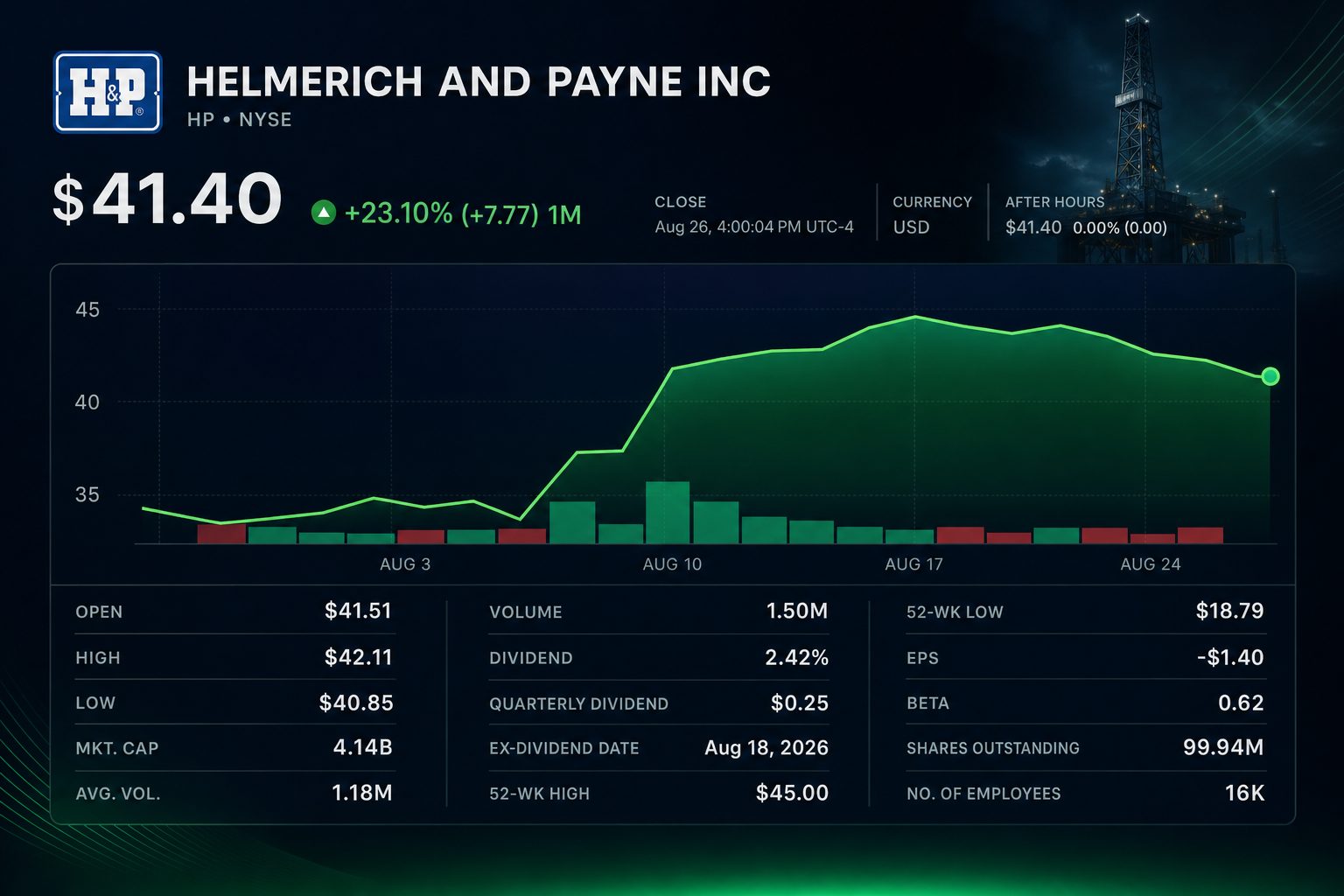
Shares changed hands at $27.77 at 5:02 p.m. EDT, erasing a 3.39% rise during the regular session. The after-hours drop reduced HP’s market capitalization by about $2.5 billion from its $28.2 billion close Yahoo Finance quote.
Revenue totaled $15.68 billion, marking a 13% increase year-on-year. Analysts had forecast $14.44 billion. Adjusted earnings came in at $0.83 per share, topping the $0.66 consensus estimate Wall Street Journal.
| Metric | Fiscal Q3 2026 | Comparator | Gap |
|---|---|---|---|
| Revenue | $15.68 billion | $14.44 billion consensus | up 8.6% |
| Adjusted EPS | $0.83 | $0.66 consensus | up 25.8% |
| PC units | Not disclosed | Year earlier | down 16% |
| Personal Systems revenue | $11.77 billion | Year earlier | increased 18% |
| Printing revenue | $3.91 billion | Year earlier | fell 2% |
| Net income | $661 million | $763 million | down 13.4% |
| Tariff-refund EPS benefit | $0.11 | Included in adjusted EPS | 13.3% of result |
The unit gap serves as the primary test for investors. Calculating revenue per unit suggests Personal Systems brings in roughly 40% additional revenue for each unit. This is driven by both improved pricing strategies and a higher-value product mix, rather than solely by increased end demand.
Interim Chief Executive Bruce Broussard cited demand for premium products, memory availability and order processing. HP and other companies in the sector have increased PC prices amid a worldwide memory shortfall Reuters.
Personal Systems accounted for 75% of revenue in the quarter. Printing contributed the other 25%, but this business has traditionally posted stronger margins. For fiscal Q2, Personal Systems’ segment margin was 5.2%, while Printing delivered a segment margin of 18.3% HP fiscal Q2 results.
The composition accounts for the market’s hesitancy. Rapid growth in PC revenue does not entirely offset the decline in high-margin print sales. Net income dropped 13.4%, even as revenue climbed.
HP increased its full-year adjusted EPS outlook to a range of $3.19–$3.29, up from the previous $2.90–$3.10 forecast. The revised midpoint factors in $0.19 from tariff refunds, representing 5.9% of the midpoint value.
Free-cash-flow guidance increased by $200 million to a range of $3.0–$3.2 billion. The company’s fourth-quarter adjusted EPS outlook is $0.69–$0.79, surpassing the $0.67 consensus at the midpoint. This guidance factors in an anticipated $0.08 benefit from tariff refunds.
Trading volumes also increased, with 22.79 million shares changing hands—around 33% higher than the three-month average. At the close, HP’s indicated annual dividend yield stood at 4.07%.
Analysts set a one-year target of $23.41, landing 15.7% under the after-hours price. The difference indicates that current estimates may still factor in softer earnings quality or a more challenging hardware environment.
Risks: Rising memory costs could pressure margins ahead of corresponding price hikes. Increased prices may dampen unit sales. Printing continues to fall, and tariff refunds are one-time events.
HP’s earnings call is set for 5:30 p.m. EDT. Investors are watching for unit outlooks, memory-cost sensitivity, and the extent to which revenue growth was driven by sustainable mix improvements HP webcast notice.
Related articles: Earnings