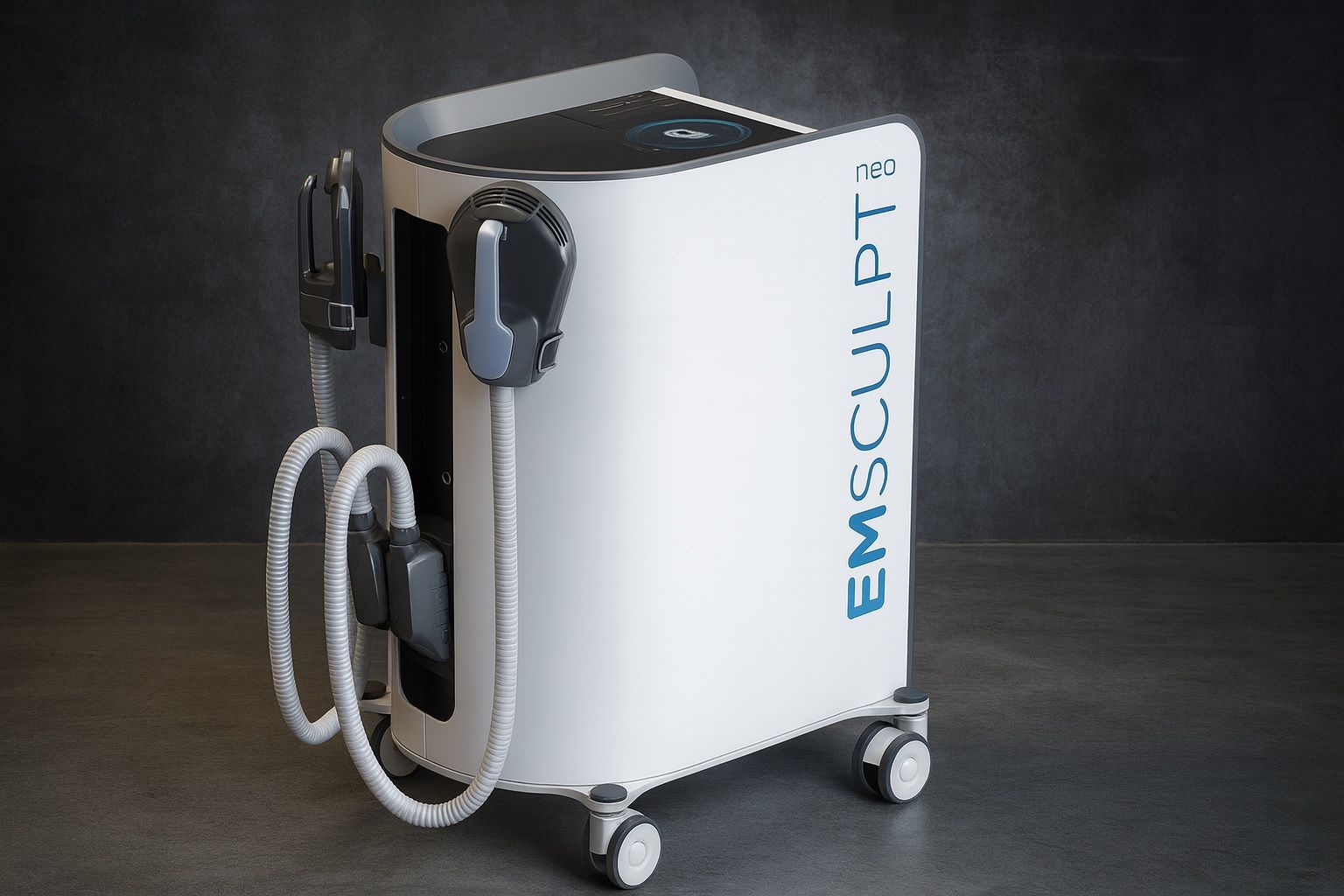

- High-Tech Training: Hungary’s new research astronaut, Tibor Kapu, incorporated BTL’s EMSCULPT NEO body-sculpting device into his pre-flight regimen to prepare for an International Space Station (ISS) mission prnewswire.com.
- Combating Muscle Loss: In microgravity, crews can lose up to 30% of muscle mass in weeks prnewswire.com universetoday.com. EMSCULPT NEO (which uses radiofrequency and muscle-stimulating pulses) “gave us results beyond traditional training,” producing muscle hypertrophy, improved body composition and greater cardio fitness in tests prnewswire.com.
- Historic Spaceflight: Kapu’s flight (Axiom Mission 4 in June 2025) made him Hungary’s first astronaut in 45 years english.news.cn ts2.tech. The mission carried over 60 experiments for 31 nations, and had a four-person crew from the USA (Peggy Whitson), India (first ISS astronaut), Poland (first ISS visitor) and Hungary (Kapu) ts2.tech.
- NASA’s Commercial Vision: Experts note Axiom’s private missions help pave the way for the ISS’s future as a commercial space station. NASA’s commercial space director Phil McAlister emphasizes that private flights are “helping to pave the way” for NASA buying time on commercial LEO platforms ts2.tech.
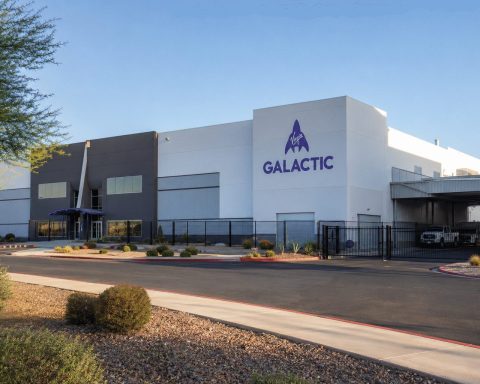
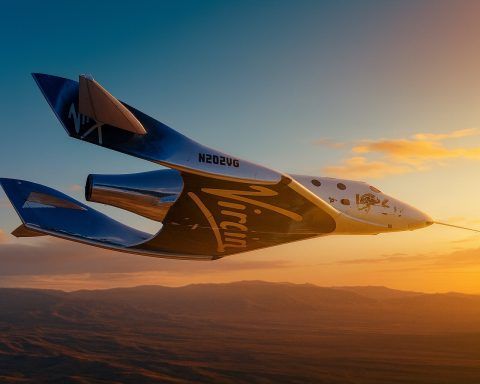
- Space Economy & Stocks: Space-tourism stocks remain volatile. Virgin Galactic NYSE:SPCE trades around $4 per share (−33% YTD) benzinga.com. Analysts forecast modest gains: SPCE’s consensus price target is ~$6.67 (an ~60% premium) benzinga.com. The space tourism market itself is booming – projected at about a 45% annual growth rate through 2030 benzinga.com.
Inside the Space-Ready Workout
Astronauts face rapid muscle and bone loss in zero gravity, so Hungary’s new space traveler Kapu built an astronaut-specific fitness program. As BTL’s press release explains, EMSCULPT NEO was added to Kapu’s intensive training to counteract the muscle atrophy of orbit prnewswire.com. “Studies show astronauts lose up to 30% of muscle mass in orbit,” notes Dr. Nóra Sydó of Budapest’s Semmelweis University, who led Kapu’s training prnewswire.com. Dr. Sydó – also doctor to Hungary’s Olympic swim team – reports that with EMSCULPT NEO, medical tests showed “muscle hypertrophy, improved body composition and increased cardiopulmonary fitness” beyond what standard workouts achieved prnewswire.com. In effect, the device delivered a simulated high-rep workout: pulsed electromagnetic and RF energy cause muscles to contract reflexively, giving an extra “boost” to strength and endurance without extra time on the treadmill.
This cutting-edge device is already popular in aesthetic and sports-medicine clinics. BTL CEO Tomas Schwarz says it’s a proud milestone that their technology “supported humans on their way to space,” highlighting EMSCULPT NEO’s broad benefits prnewswire.com. Indeed, Dr. Sydó adds that EMSCULPT NEO isn’t just for astronauts: “Whether it’s an astronaut, an Olympic champion, or a patient facing muscle loss, EMSCULPT NEO can be an effective, safe, and non-invasive…solution to preserve and enhance muscle function” prnewswire.com. This suggests potential uses from elite athlete conditioning to rehabilitation for sarcopenia (age-related muscle decline) or injury recovery on Earth.
Independent researchers have long warned of space-induced muscle atrophy. As Universe Today notes, astronauts can lose roughly 20% of muscle in just 5–11 days, and up to 30% on longer missions universetoday.com. NASA already runs daily exercise regimes on the ISS (treadmill, resistance machines, etc.) to fight this loss universetoday.com nasa.gov. Now technologies like EMSCULPT may complement those workouts. (NASA itself is testing electrical muscle stimulation on orbit to boost crew fitness nasa.gov.) In any case, Kapu’s Hungarian trainers believe this high-tech modality gave him a measurable edge in strength and recovery prnewswire.com.
Hungary’s Space Milestone and the Commercial Era
Tibor Kapu’s flight marked a historic moment for Hungary. Returning in August 2025 to a hero’s welcome english.news.cn, he became the first Hungarian in space since 1980 english.news.cn. Part of Hungary’s HUNOR (Hungarian to Orbit) program launched in 2021, Kapu conducted experiments for Hungary on Ax-4, including microgravity studies by Hungarian universities ts2.tech ts2.tech. His mission symbolized a resurgence of Hungary’s space science after 45 years without a cosmonaut english.news.cn.
This flight was arranged by Houston’s Axiom Space and SpaceX, under a new model of commercial ISS visits. As TS2 Tech reports, Axiom Mission 4 was a two-week private mission that is “more than a spectacular rocket ride” – it was a “geopolitical milestone” for India, Poland and Hungary ts2.tech. Each of those countries sent its first crew member to the ISS on Ax-4, at about $65 million per seat (paid by governments) ts2.tech. These government-chartered seats are now seen as an “affordable alternative” to old Soyuz/Shuttle buys, and analysts note Ax-4 was Axiom’s first break-even flight after earlier losses ts2.tech.
NASA officials and analysts are watching closely. NASA’s Phil McAlister (Commercial Space Director) comments that flights like Ax-4 “help pave the way” for transitioning the ISS into a truly commercial platform ts2.tech. In TS2’s analysis, the mission compresses all big trends in human spaceflight – reusable rockets, private crews, sovereign partners, and the shift toward privately owned stations ts2.tech. In short, Kapu’s training story fits into a larger narrative: the space station era is opening to private enterprise, and new tech (like EMSCULPT) is part of that revolution.
Markets & Forecasts
The emerging space-tourism sector is volatile. Virgin Galactic NYSE:SPCE – a pioneer in private suborbital flights – trades around $4 per share as of October 2025 (off ~33% year-to-date) benzinga.com. Investor sentiment is mixed: analysts have an average “Hold” rating with a $6.67 2030 price target (implying modest upside) benzinga.com. Some bulls remain hopeful: research firm Grand View projects the space tourism market growing at about a 45% annual rate to 2030 benzinga.com. In the near term, however, even if firms like Virgin Galactic win NASA contracts or finally start commercial service (slated for 2026), analysts warn sales are speculative until routine flights begin benzinga.com benzinga.com.
Elsewhere in tech markets, investors are eyeing all things aerospace and AI. (TS2.Tech’s financial column notes that the Wall Street launchpad is shifting: for example, Axiom’s CEO called Ax-4 “the first break-even mission” and proof that “space is opening up” thanks to private firms ts2.tech.) Sector indices and stocks from builders (like SpaceX supplier companies or traditional players) could respond in coming days to these developments. For now, the story underscores that “space” is no longer just a government domain – it’s a business proposition, and new technologies (from rockets to EMSCULPT) are fueling investor interest.
Sources: Hungarian media and PR reports on the EMSCULPT NEO program prnewswire.com prnewswire.com; spaceflight analyses by TS2.tech and NASA ts2.tech ts2.tech; international press on Tibor Kapu’s ISS mission english.news.cn ts2.tech; financial data on space-tech stocks benzinga.com benzinga.com