
Hut 8 Corp. (NASDAQ: HUT; TSX: HUT) grabbed investors’ attention on December 17, 2025 after announcing a landmark AI-infrastructure transaction anchored by a 15-year, 245-megawatt (MW) data center lease at its River Bend campus in Louisiana—a deal the company says carries $7.0 billion in base-term contract value and is financially backstopped by Google.
The announcement immediately fueled a sharp rally in HUT stock, highlighting a broader market theme: former (or hybrid) Bitcoin miners with power-heavy assets are increasingly repositioning toward AI data centers and high-performance compute (HPC)—where contracted revenue can look very different from crypto’s boom-bust cycle.
HUT stock price today: how the market reacted
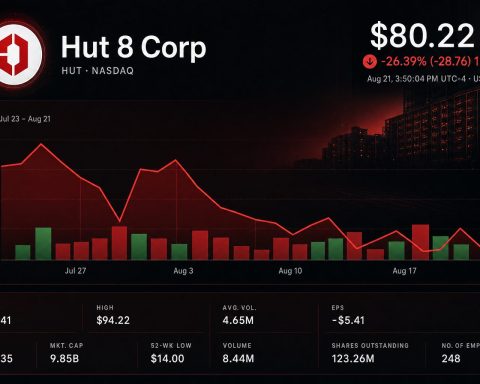
As of 15:11 UTC on Dec. 17, Hut 8 shares were trading around $43.63, up roughly 18% on the session, after swinging between about $36.72 and $46.34 intraday on heavy volume (about 25.8 million shares).
Reuters reported the stock jumped ~21% in premarket trading after the deal was disclosed, adding to gains already posted in 2025.
The two headline announcements from Dec. 17, 2025
Hut 8’s news flow on Dec. 17 was essentially a one-two punch:
- A major long-term lease at River Bend (Louisiana)
Hut 8 says it signed a 15-year lease with Fluidstack for 245 MW of IT capacity at River Bend, with Google providing a financial backstop that covers lease payment obligations during the base term. - A broader AI infrastructure partnership with Anthropic and Fluidstack
In parallel, Hut 8 announced a framework to deliver at least 245 MW and up to 2,295 MW of AI data center infrastructure for AI model developer Anthropic, leveraging clusters operated by Fluidstack.
Together, the announcements position River Bend as the flagship starting point for a potentially much larger multi-site buildout plan.
Inside the $7.0 billion River Bend lease: terms investors are focusing on
While “$7 billion lease” is the headline, the structure and risk allocation are what professional investors tend to dissect first.
A triple-net lease with escalators
Hut 8 says the River Bend agreement is structured as a triple-net (NNN) lease and includes a 3% annual base rent escalator.
Renewal options and expansion rights
The company states the lease includes three 5-year renewal options, which could increase total contract value to about $17.7 billion if exercised.
It also grants Fluidstack a Right of First Offer (ROFO) for up to an additional 1,000 MW of future IT capacity at River Bend, subject to power expansion at the site.
Project timeline: revenue is not immediate
Hut 8 expects the initial data hall to be completed and commissioned in Q2 2027, with more data halls slated to come online through the rest of 2027.
That timeline matters: much of the investment case is about execution and financing over the next ~18–30 months, not just today’s announcement pop.
Why the Google backstop is a big deal for HUT investors
The “Google backstop” is one of the most market-moving details because it can change the perceived risk profile of long-duration infrastructure cash flows.
Hut 8 says Google is providing a financial backstop covering lease payments and related pass-through obligations during the base term.
In practice, investors often interpret this kind of structure as potentially:
- improving confidence in the collectability of lease payments,
- supporting cheaper project financing,
- reducing counterparty-credit questions that might otherwise weigh on a smaller tenant or newer AI-infrastructure operator.
Expected economics: the NOI figures drawing attention
Hut 8 says the lease is expected to generate about $6.9 billion in cumulative net operating income (NOI) over the 15-year base term—about $454 million per year on average.
In the company’s River Bend transaction materials, Hut 8 also highlights upside scenarios tied to renewal options and expansion capacity.
Important context: these are company expectations and depend heavily on buildout timing, financing terms, and delivery risk—especially given the 2027 commissioning schedule.
The larger AI partnership: “245 MW now,” potentially “2,295 MW over time”
Hut 8’s partnership framework lays out a multi-tranche path to scale well beyond the initial Louisiana deployment:
- Tranche 1: 245 MW of IT capacity at River Bend, supported by 330 MW of utility capacity
- Tranche 2: ROFO for up to 1,000 MW of additional IT capacity at River Bend (subject to power expansion)
- Tranche 3: up to 1,050 MW of additional optional capacity across Hut 8’s broader U.S. development pipeline cdn.sanity.io+1
Hut 8 and partners have described the goal as bringing additional capacity online by early 2027.
Louisiana buildout and jobs: what Hut 8 and the state are saying
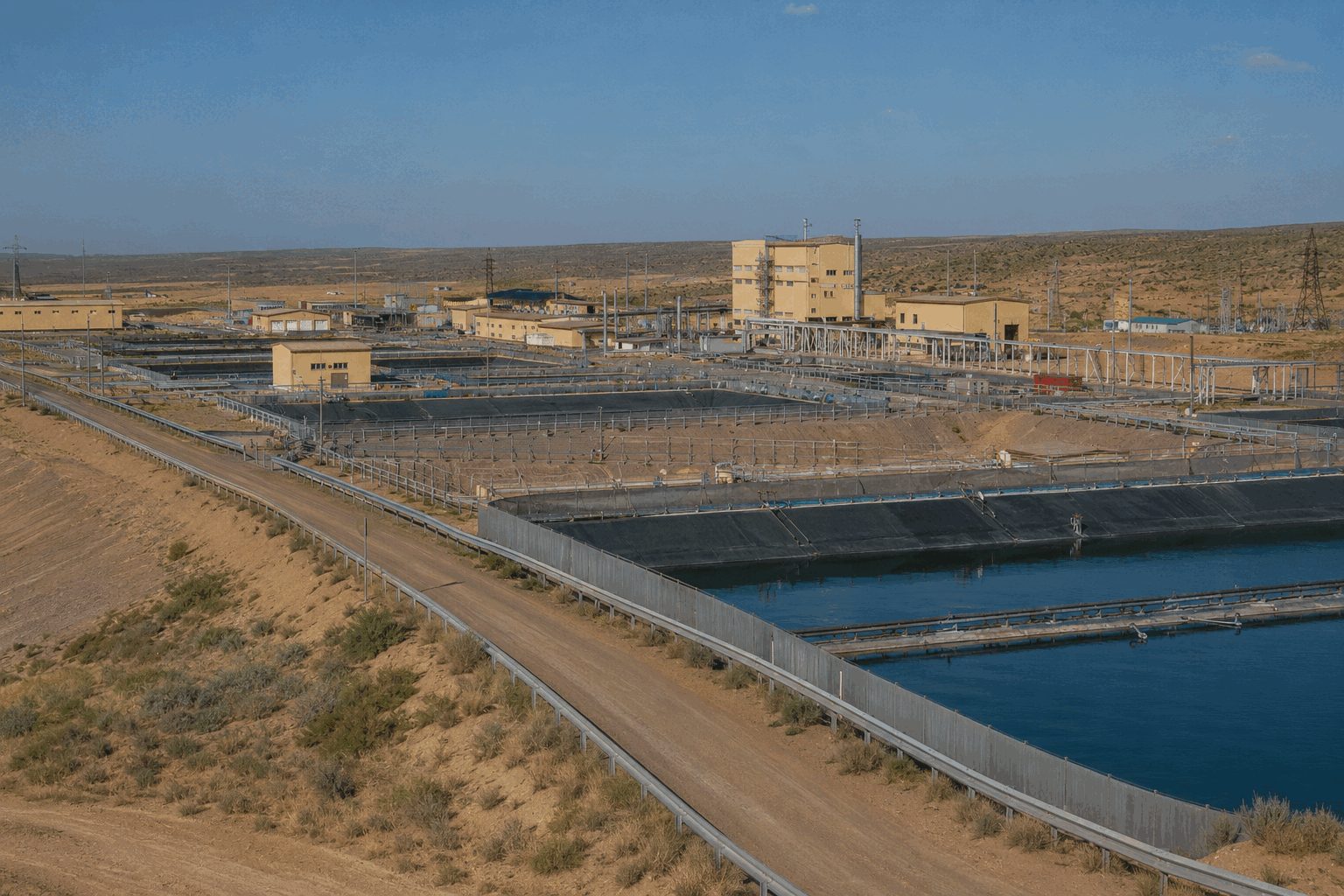
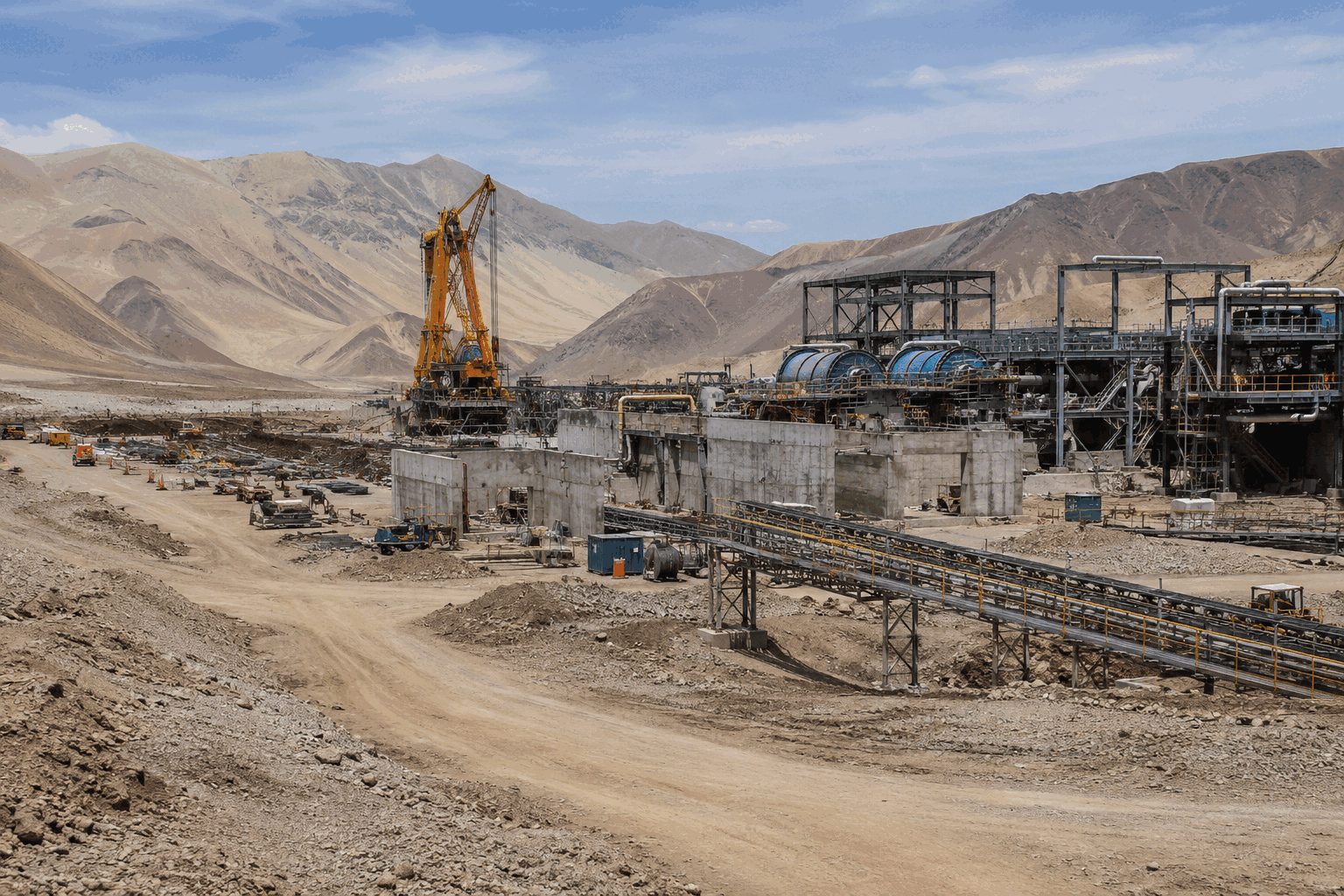
Beyond markets, River Bend is being pitched as a major state-level economic development story.
Hut 8 says that at peak construction it expects roughly 1,000 construction workers on-site. It also projects 75+ direct jobs and 190+ indirect/induced jobs (about 265 total) once operational, with potential expansion as future phases are developed.
The company says it secured 330 MW of initial utility capacity in collaboration with Entergy Louisiana, with the potential to scale by up to an additional 1,000 MW of utility capacity.
Financing plan: up to 85% loan-to-cost
For a project of this size, financing structure can be as important as the customer.
Hut 8 says project-level financing up to 85% loan-to-cost (LTC) is expected to be arranged with J.P. Morgan and Goldman Sachs (subject to final terms and customary conditions).
The company also says it expects an Operations Services Agreement for ongoing data center operations, backed by an additional Google backstop of payment obligations.
How big is Hut 8’s development pipeline?
Part of the bullish narrative is that River Bend isn’t being presented as a one-off.
Hut 8 describes itself as an energy infrastructure platform spanning 19 sites in the U.S. and Canada and reports (as of Dec. 17, 2025) a development framework totaling 9,520 MW across stages, including 1,020 MW under management and 330 MW under construction, among other categories.
Reuters separately reported Hut 8 has a power generation pipeline of 8.65 gigawatts, including 1.53 gigawatts in late-stage development (noting different reporting frameworks can produce different totals).
Analyst forecasts and price targets: what Wall Street is signaling
MarketBeat: “Buy” consensus, wide target range
MarketBeat shows a consensus “Buy” rating based on 18 analyst ratings, with an average price target of $48.80 and a range from $21.00 to $78.00. MarketBeat
MarketBeat’s feed also lists BTIG Research reiterating a Buy rating on Dec. 17, 2025 with a $55 price target.
Investing.com: Benchmark reiterated $78 target after the news
Investing.com reported Benchmark maintained a Buy rating with a $78.00 price target following the announcement, and cited a broad consensus range in the market.
TipRanks: “Strong Buy” consensus and higher average target
TipRanks’ readout for Hut 8 indicates a Strong Buy consensus and reports an average 12-month price target of $64.13 (with the important caveat that platforms can differ in coverage lists and calculation methodology).
What this means for investors: forecasts are optimistic, but dispersion is large—typical for volatile, high-beta names tied to emerging themes (AI infrastructure) plus legacy crypto exposure.
Where Bitcoin fits into the HUT story right now
Even with the AI pivot, Hut 8 remains closely watched alongside crypto-linked equities. On Dec. 17, Bitcoin was trading around $89,800, up about 3% on the day.
The nuance is that today’s HUT move was driven primarily by AI infrastructure news, not just a Bitcoin bounce—one reason the market treated it as a potential re-rating event.
Key risks and catalysts to watch after Dec. 17
Big headline numbers can mask the execution realities. Here are the next practical checkpoints that could drive HUT stock from here:
1) Execution risk through 2026–2027
The first River Bend data hall isn’t expected to be commissioned until Q2 2027. Delays, permitting, supply chain constraints, or cost overruns could shift the timeline and economics.
2) Financing close and final terms
Hut 8’s plan includes up to 85% LTC project financing. Markets will watch for definitive documentation, pricing, covenants, and any equity components that could affect dilution.
3) Power expansion beyond the initial 330 MW utility capacity
The upside case includes scaling power significantly at River Bend and potentially beyond. That typically requires interconnection work, utility coordination, and long lead times.
4) Commercial details investors still don’t fully see
The market knows the headline structure (lease, backstop, escalators). But investors will still look for additional clarity over time on items like ramp schedules, pass-through mechanics, operating responsibilities, and how the broader 2,295 MW framework converts from optionality to contracted backlog.
Bottom line: Hut 8 stock is trading like a “power + AI infrastructure” story again
Hut 8’s Dec. 17 announcements reframed HUT stock around a clearer AI-infrastructure monetization path: a long-duration lease at River Bend, a named AI tenant ecosystem (Anthropic + Fluidstack), and a marquee backstop arrangement involving Google.
The upside narrative is straightforward: if Hut 8 executes on schedule and scales beyond the initial 245 MW, investors may increasingly value HUT as a contracted digital infrastructure platform rather than a pure-play crypto proxy. The risk narrative is equally clear: the payoff is largely forward-dated to 2027, and large projects can surprise—especially in a fast-moving AI capex cycle.