
NEW YORK, March 30, 2026, 16:37 EDT
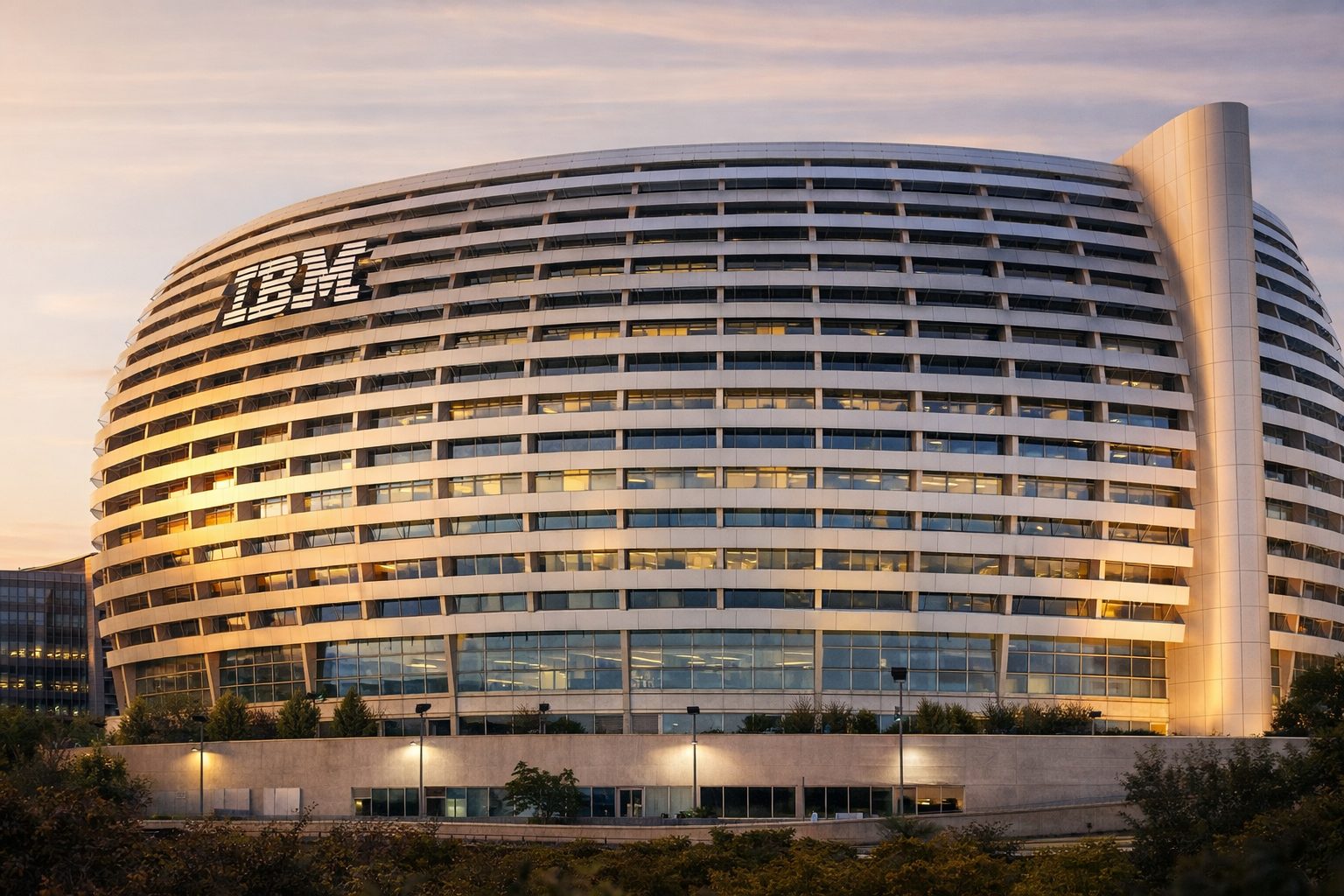
IBM edged up roughly 0.4% by Monday’s close, though the stock remains stuck almost 27% under its 52-week peak—Wall Street’s patience looks thin after the steep losses earlier this year. Even with January’s earnings surprise, IBM hasn’t managed to spark a sustained rebound.
IBM’s first-quarter numbers land April 22, and there’s fresh pressure on its AI strategy to fuel software and infrastructure gains — but not at the expense of legacy revenue. Back in January, IBM told Reuters it plans to drop its separate AI book-of-business metric starting with this quarter, stripping out an easy benchmark for demand.
IBM’s fourth quarter numbers landed Jan. 28, with revenue hitting $19.69 billion and adjusted EPS at $4.52—both clearing the bar set by analysts. Software sales jumped 14%, infrastructure up 21%. CEO Arvind Krishna called out the generative AI segment, now topping $12.5 billion, and said IBM moves into 2026 “with momentum and in a position of strength.” Reuters
IBM hasn’t just relied on demos to make its point. The company wrapped up its $11 billion Confluent acquisition on March 17, positioning the move as a way to power AI models and agents with reliable, real-time data over hybrid cloud setups. That’s crucial, says Sanjeev Mohan, principal analyst at SanjMo—he notes AI agents “require live operational signals,” not just a history of data. IBM Newsroom
IBM spent March doubling down on its AI message to customers. On March 23, it rolled out new watsonx tools tailored for the Masters Tournament. Just two days later, the company announced a deal with ElevenLabs to integrate speech technology into watsonx Orchestrate—IBM’s platform that manages AI agents for complex tasks. “Voice is where AI either earns trust or loses it,” said ElevenLabs co-founder Mati Staniszewski. IBM Newsroom
Still, certain analysts remain upbeat. After hosting Krishna during the bank’s CEO series—a meeting noted by IBM on its investor site—Bank of America’s Wamsi Mohan stuck with his Buy rating and $340 price target on March 10, according to reports from Yahoo Finance and Investing.com.
Still, risks remain front and center. Back in February, Reuters flagged IBM’s sharpest single-day decline since 2000 after Anthropic touted its Claude Code tool’s ability to accelerate COBOL modernization on IBM mainframes—from several years down to just a few quarters. Then, in January, IBM disclosed that the Confluent acquisition is projected to result in roughly $600 million of dilution in 2026, driven mainly by stock-based compensation and interest costs.
It’s not just about a single name. Back in February, JPMorgan strategists under Dubravko Lakos-Bujas flagged that the market was factoring in “worst-case AI disruption scenarios” specifically for software. Over at Morgan Stanley, Katy Huberty described the valuation spread as purely “sentiment-driven, not fundamental.” JPMorgan’s list of rebound picks featured Microsoft and ServiceNow, underscoring how IBM keeps getting measured against others the market favors as clearer AI plays. Reuters
IBM continues to forecast constant-currency revenue growth topping 5% in 2026, with an extra $1 billion in free cash flow still in the outlook. Whether those numbers stick depends on what comes through in the April 22 report, where investors will be watching for signs that acquisitions, the data stack, and AI-agent offerings are delivering repeatable software gains. The stock, for now, remains squarely in the spotlight.
Related articles: NYSE:IBM


![Australia Stock Market Today 27/08/2026 [UPDATE: 11:47 AEST] [Capex Slump Deepens ASX Losses as Equipment Spending Slides]](https://ts2.tech/wp-content/uploads/2026/08/AU-market-dashboard-2026-08-27-1145-480x384.jpg "Australia Stock Market Today 27/08/2026 [UPDATE: 11:47 AEST] [Capex Slump Deepens ASX Losses as Equipment Spending Slides]")