MUMBAI, Jan 5, 2026, 05:00 ET
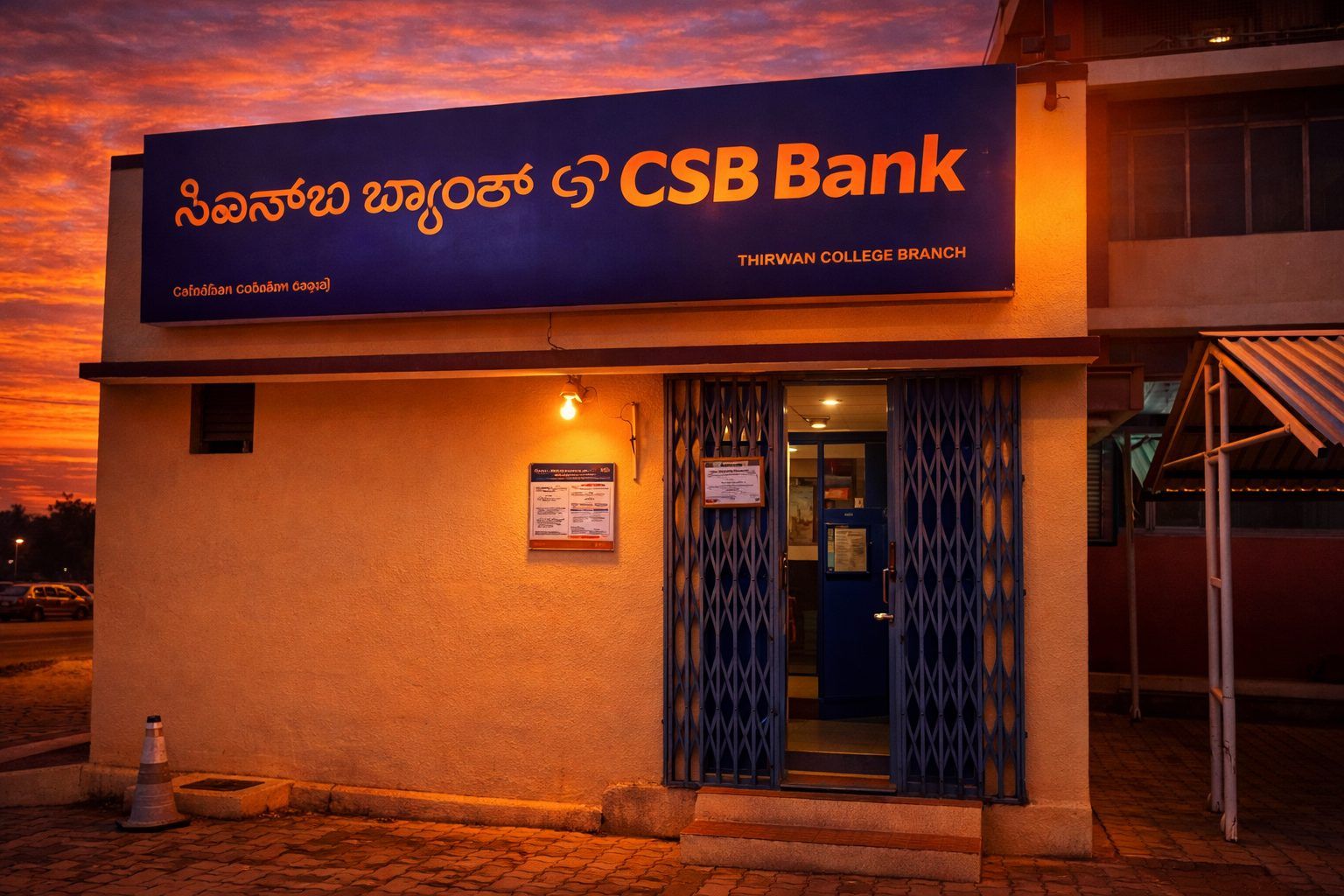
CSB Bank shares rose as much as 7.8% to an all-time high of 519.95 rupees on Monday after the Kerala-based lender reported strong loan and deposit growth in a provisional update for the quarter ended Dec. 31. Deposits rose 21% year-on-year to 40,460 crore rupees and gross advances climbed 29% to 37,208 crore, while gold and jewellery loans jumped 46% to 19,023 crore, the bank said. Businesstoday
The early numbers matter because Indian lenders are heading into the busiest stretch of quarterly reporting with signs that credit demand is recovering from a mid-2025 slowdown. System-wide bank credit growth accelerated to 11.5% year-on-year in November, while analysts have flagged that loan growth has again started to outpace deposits, a funding imbalance that can raise borrowing costs for banks. Reuters
In broader markets, India’s benchmark indexes were little changed after the Nifty 50 briefly touched a fresh record earlier in the session. “The underlying tone remains fragile,” said Ashish Chaturmohta, managing director and fund manager of Apex PMS at JM Financial. Reuters
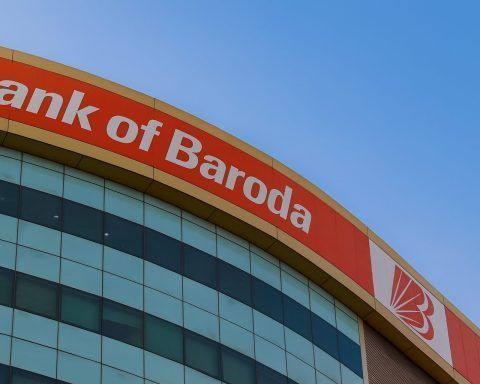
Financial stocks were in demand across the board, pushing the BSE Financial Services index to a record intraday high, while State Bank of India and Bank of Baroda touched new lifetime highs. Bank of Baroda said global advances rose 14.6% year-on-year to 13.43 trillion rupees at the end of the December quarter, while global deposits increased 10.3% to 15.46 trillion. Business Standard
Ujjivan Small Finance Bank also gained after its quarterly update. The lender said deposits rose 22% year-on-year to 42,219 crore rupees and its gross loan book increased 21.6% to 37,055 crore, while its gross NPA ratio — loans that are overdue — eased to 2.19% from 2.45% in the previous quarter. Businesstoday
CSB’s update underscored investor appetite for secured retail lending, where growth can be fast and recoveries tend to be better than in unsecured credit. Gold-backed loans, in particular, often expand quickly when households use jewellery as collateral to access short-term funding.
Funding, though, is doing more of the work. CSB’s deposit growth was led by term deposits, which typically cost more than current and savings accounts, making the mix a key input for margins.
CASA — current and savings account deposits — is closely watched because it is usually the cheapest and most stable source of bank funding. A low or falling CASA ratio can force lenders to pay up for deposits, even when loan growth looks strong on paper.
The downside scenario is straightforward: if deposits do not keep up with credit demand, banks may face tougher competition for funding and a squeeze on profitability. Any sharper-than-expected swing in gold prices, or tighter rules around gold lending, would also test lenders that have leaned on the product for growth.