
MUMBAI, May 7, 2026, 13:49 IST
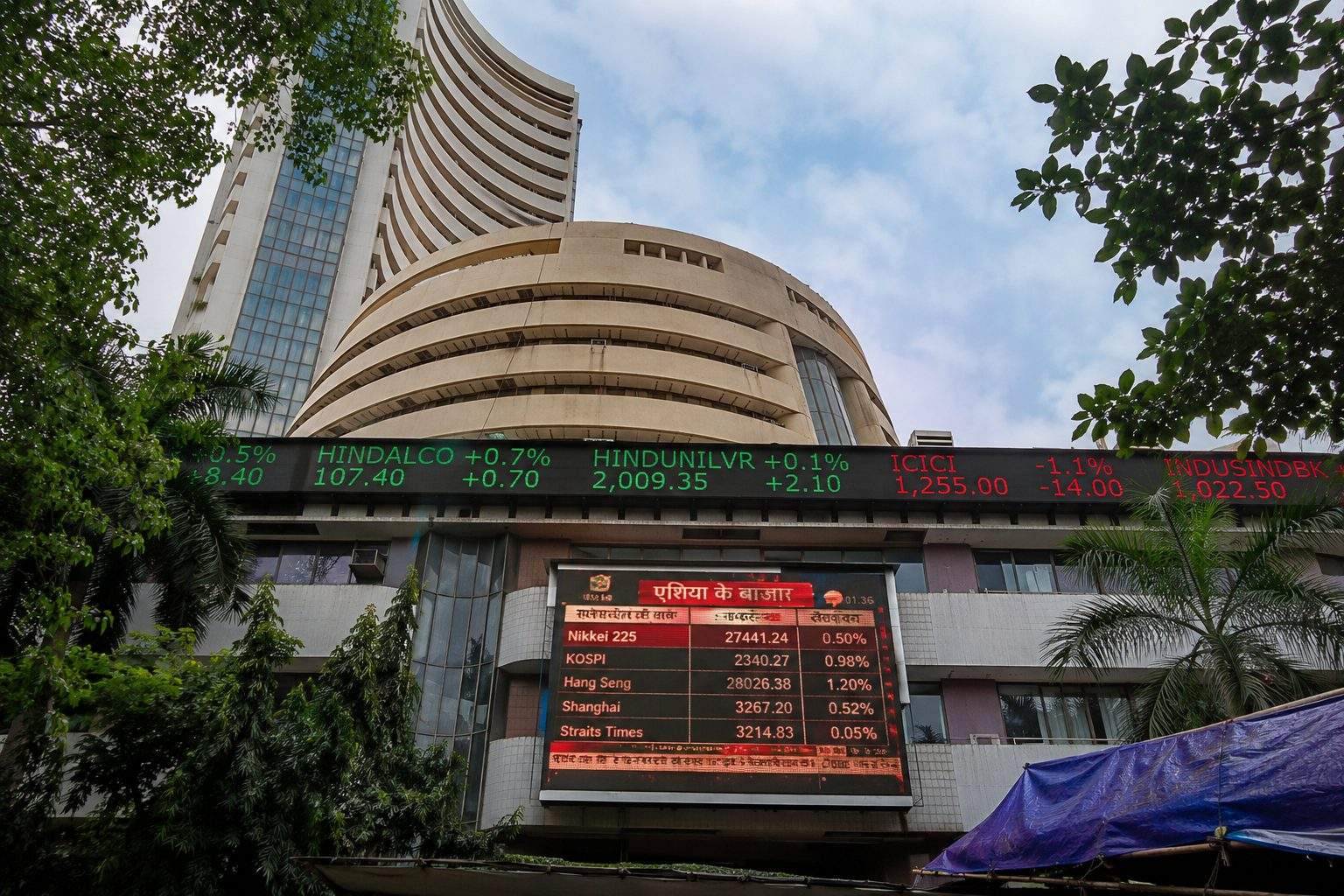
Indian equities showed a split on Thursday afternoon. The Nifty 50 managed a 0.08% rise to 24,349.30, just as the BSE Sensex slipped 0.03% to 77,936.80. Auto names provided support, counterbalancing pressure in IT and consumer stocks, according to Moneycontrol data.
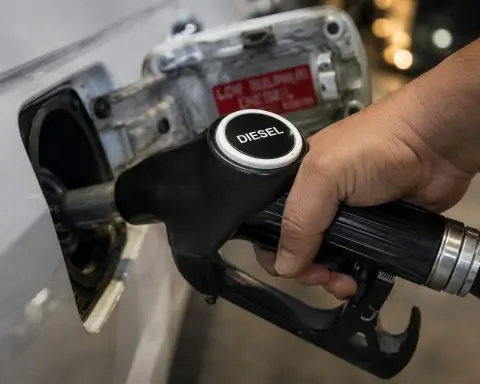
This shift is significant: right now, oil prices are steering sentiment more than company earnings. Brent’s recent slide has offered India—heavily reliant on imported crude—a bit of relief. Not long ago, surging energy prices were fueling concerns around inflation, the rupee, and GDP. Reuters put Brent at $99 a barrel, a 2% dip for the day, with the rupee firming up to 94.2525 against the dollar.
Thursday’s sideways action comes right after a strong surge on Wednesday, when the Sensex jumped 940.73 points, or 1.22%, to settle at 77,958.52. The Nifty rallied too, up 298.15 points, or 1.24%, to 24,330.95, according to Moneycontrol. Oil’s dip gave the market a boost, but now traders are watching to see if that lift has legs.
Autos took charge, with the Nifty Auto index up 2.15% as investors picked up shares in the sector following earnings reports. Nifty IT slipped 0.39%, and BSE FMCG edged 0.25% lower — clear signs the rally stayed confined to a handful of pockets.
Bajaj Auto climbed after posting a March-quarter profit that topped expectations. Mahindra & Mahindra pushed higher again, notching up further gains following its own profit beat, Reuters said. One97 Communications, which runs Paytm, also moved up after reporting a net profit for the March quarter. Godrej Consumer Products slipped, however, as analysts highlighted margin worries due to input costs.
Hitesh Tailor, technical research analyst at Choice Equity Broking, described the near-term outlook for domestic markets as “cautiously positive” in comments to Reuters. Still, he pointed to “intermittent profit booking” as a factor that might limit further upside if benchmarks run into resistance. Reuters
The geopolitical standoff drags on. Iran is still weighing a U.S. peace plan that might officially halt the war, but Reuters says Washington’s main conditions—like reopening the Strait of Hormuz—haven’t been agreed.
This is the crux for investors: should negotiations falter, crude prices may shoot higher, piling fresh strain on India’s import bill and dragging on the rupee. A deal would offer some relief, but not a full reprieve. “Oil prices will remain elevated,” Hiroyuki Kikukawa, chief strategist at Nissan Securities Investment, told Reuters. Over at Phillip Nova, Priyanka Sachdeva pointed out that any new attacks or escalation could quickly send prices spiking again. Reuters
Foreign money kept heading for the exits. On Wednesday, overseas investors offloaded Indian stocks to the tune of 58.35 billion rupees, according to the Economic Times. That was despite a pickup in local sentiment, with hopes rising for a quicker resolution to the Iran-U.S. conflict.
VK Vijayakumar, chief investment strategist at Geojit Investments, characterized the mood for the Economic Times as “swinging between hope and fear,” with West Asia news fueling more crude fluctuations. That was basically Thursday: oil eased, autos drew spotty bids, but enthusiasm to lift the broader market just wasn’t there. The Economic Times